
Wildlife Conservation Before the Blue Fades Away “The Hyacinth Macaw’s Fight to Remain Wild” 8 Wake-Up Calls
When people think about wildlife conservation, they often picture forests, national parks, and famous animals fighting for survival. But sometimes, the struggle is carried by a single species whose beauty has made it especially valuable to humans. The Hyacinth Macaw is one of those birds.
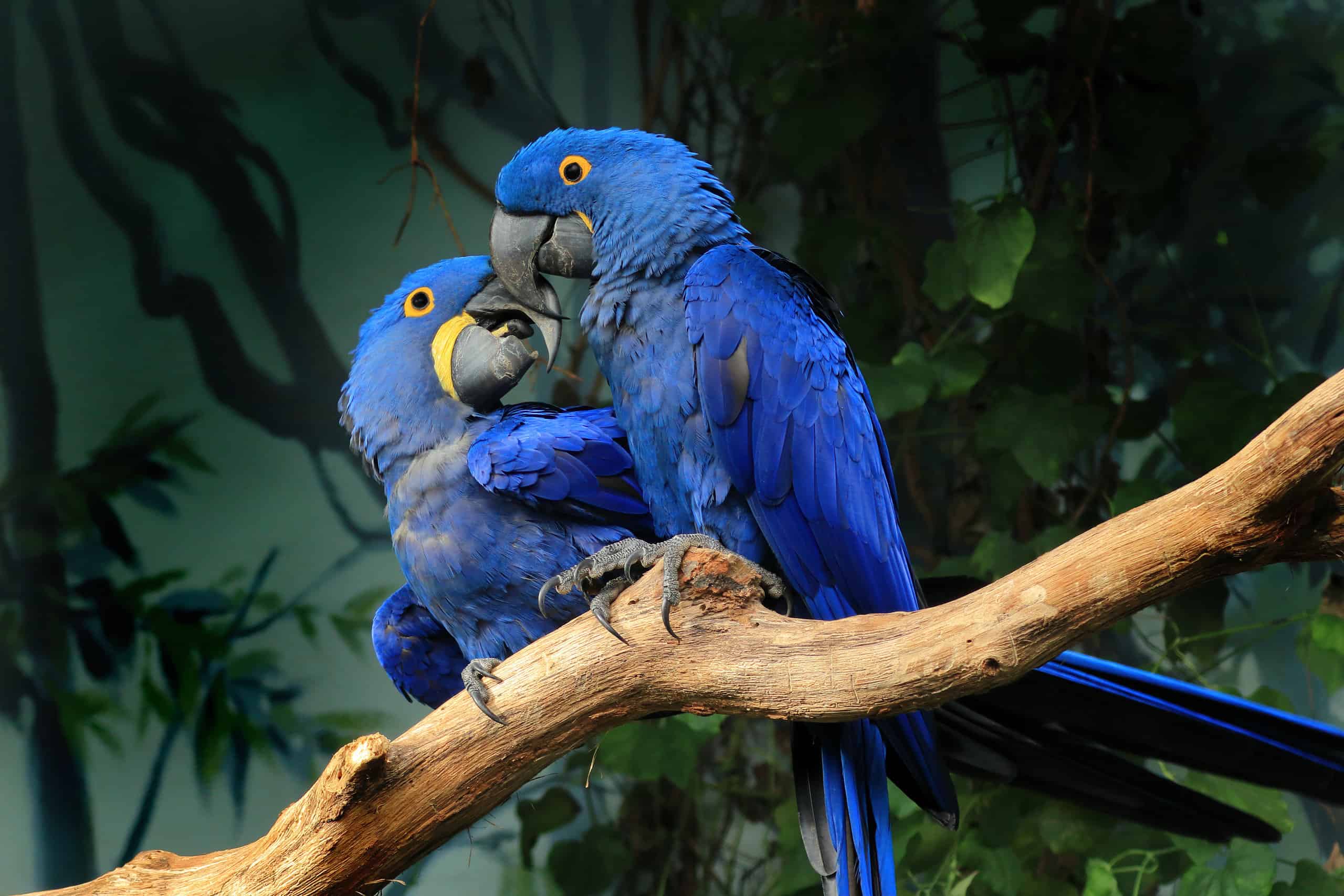
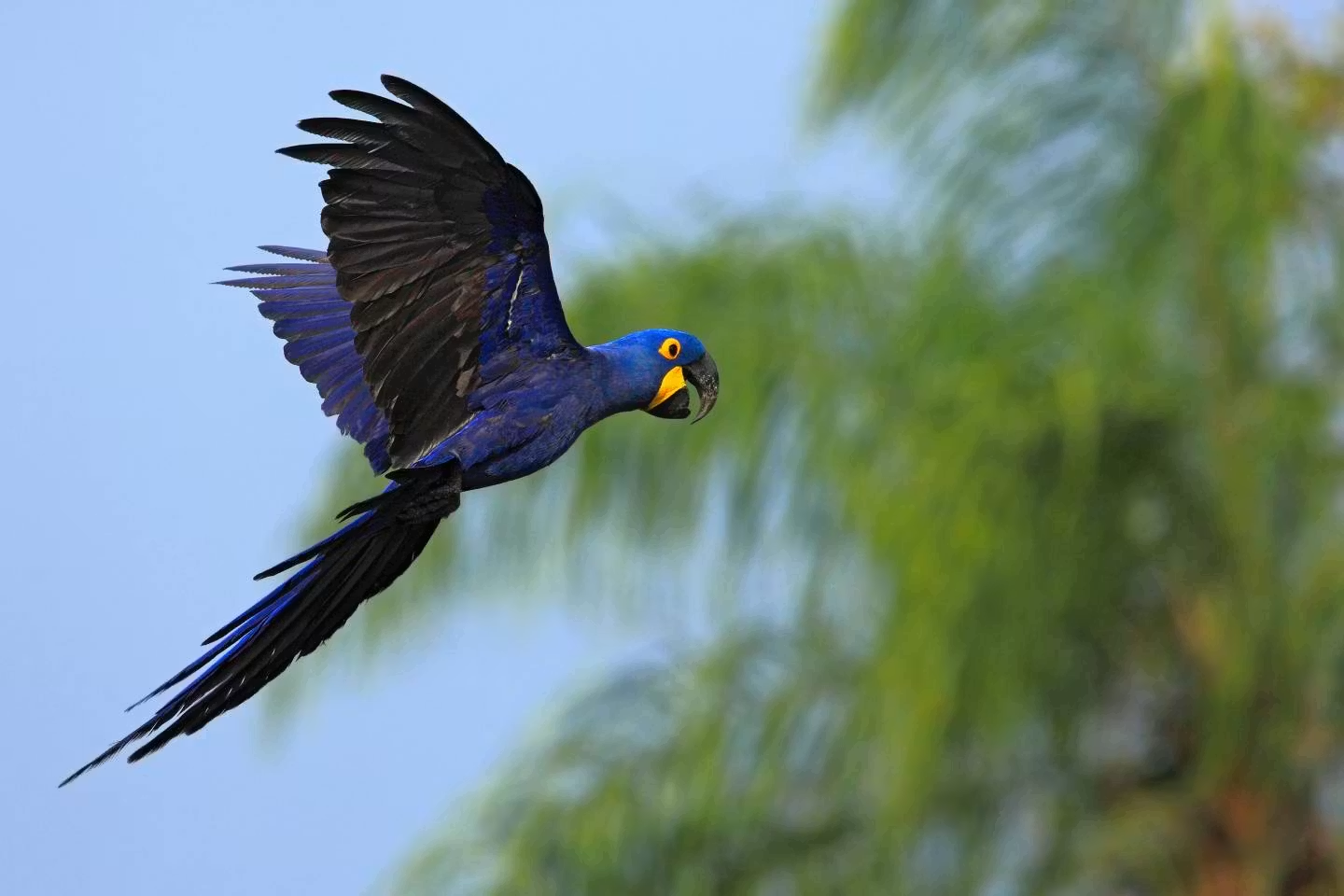
With its brilliant blue feathers, striking yellow facial markings, and powerful beak, the Hyacinth Macaw is one of the most recognizable parrots in the world. Native to parts of Brazil, Bolivia, and Paraguay, it depends heavily on specific habitats where food, nesting sites, and shelter are available.
Although the Hyacinth Macaw is currently classified as Vulnerable rather than Endangered on the IUCN Red List, it still faces serious threats. Habitat loss, illegal capture, and changes to its natural environment have made its future a conservation concern.
Its story shows why we need to protect wildlife before a species reaches a much more dangerous point. Here are eight wake-up calls that explain why the Hyacinth Macaw’s survival deserves attention.
Table of Contents
Wake-Up Call 1: Its Beauty Can Become a Threat
The Hyacinth Macaw’s stunning appearance is one of the reasons people admire it. Unfortunately, that same beauty has historically made the bird desirable in the illegal wildlife trade.
Wild birds taken from nature can suffer greatly, while removing individuals from small populations can make recovery harder. This is why animal extinction awareness matters. Admiring wildlife should never mean taking it away from the wild.
Real wildlife conservation means allowing remarkable animals to remain where they belong, in their natural habitats.
Wake-Up Call 2: Its Home Is Under Pressure
The Hyacinth Macaw depends on specific habitats, including the Brazilian Pantanal and other parts of central South America. These environments provide the food and nesting resources the bird needs.
Deforestation, agricultural expansion, fires, and changes in land use can reduce the quality of these habitats. When natural areas disappear, the bird has fewer safe places to feed and reproduce.
To protect wildlife, conservation needs to focus on preserving entire ecosystems rather than looking at individual animals alone.
Wake-Up Call 3: Nesting Sites Are Precious
Finding a suitable nesting cavity is not always easy for a Hyacinth Macaw. The birds often depend on large trees with natural hollows where they can raise their young.
When old trees are removed, valuable nesting opportunities disappear with them. Even if suitable feeding areas remain, a lack of safe nesting sites can limit reproduction.
This is a reminder that wildlife conservation sometimes depends on protecting something as ordinary as an old tree. What looks like a dead or aging tree to people may be an essential home for an entire family of birds.
Wake-Up Call 4: Food Availability Can Change Quickly
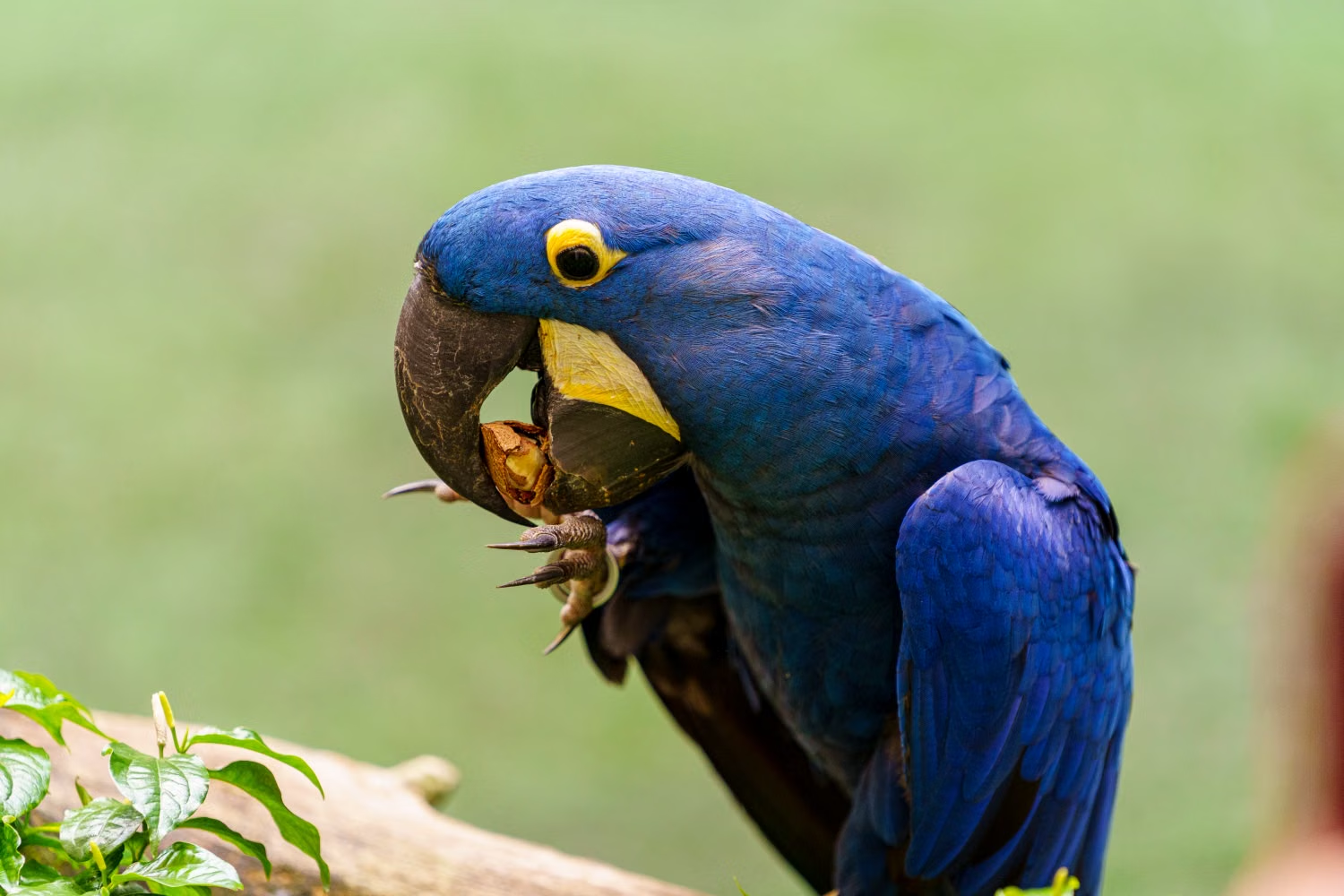
The Hyacinth Macaw has a specialized diet and relies heavily on certain palm nuts. This strong connection to particular food sources makes habitat changes especially important.
If palm trees decline or their surrounding environment is disturbed, the bird can face difficulty finding enough food. Seasonal changes and human activity can make these challenges even greater.
To protect wildlife, conservation plans must consider the complete relationship between animals, plants, and the landscapes they share.
Wake-Up Call 5: Illegal Capture Still Leaves a Mark
The illegal trade in wild parrots has historically placed pressure on species like the Hyacinth Macaw. Even with stronger laws and conservation measures, illegal capture remains a concern for many highly sought-after birds.
This is where animal extinction awareness can make a difference. People need to understand that purchasing illegally captured wildlife supports a chain of actions that can damage wild populations.
If we genuinely want to protect wildlife, wild animals should be appreciated in nature rather than treated as collectibles.
Wake-Up Call 6: Fires Can Transform an Entire Habitat
Wildfires are a serious concern in parts of the Hyacinth Macaw’s range, particularly in landscapes such as the Pantanal. Severe fires can destroy vegetation, damage nesting areas, and reduce food resources.
Some fires are naturally occurring, while others are connected to human activities and land management. Either way, repeated and intense fires can place additional pressure on vulnerable wildlife.
Effective wildlife conservation must therefore include habitat restoration, responsible land management, and strategies that help ecosystems recover after major disturbances.
Wake-Up Call 7: Protecting One Bird Means Protecting Many Others
The Hyacinth Macaw is part of a much larger ecosystem. Protecting the forests, wetlands, palm-rich landscapes, and nesting trees it needs can also benefit countless other species living in the same environment.
This is why animal extinction awareness should go beyond individual animals. Conservation is often about protecting relationships between species and their habitats.
When we protect wildlife habitat, we are not simply saving one colourful bird. We are helping preserve an entire community of life.
Wake-Up Call 8: There Is Still Time to Change the Story
The situation is serious, but the story of the Hyacinth Macaw is not simply one of decline. Conservation programs, habitat protection, nest management, and efforts to reduce illegal capture have helped improve its prospects in some areas.
That gives us an important reason for hope.
The goal of wildlife conservation is not merely to react when a species reaches the brink. It is to identify threats early and reduce them while populations still have an opportunity to recover.
By continuing to protect wildlife, preserve habitats, and increase animal extinction awareness, we can help ensure that the Hyacinth Macaw remains a wild bird rather than becoming a memory.
Why the Hyacinth Macaw Still Matters
The Hyacinth Macaw is a powerful reminder that conservation is about more than saving beautiful animals. It is about keeping natural systems healthy enough for species to survive on their own.
Its dependence on particular food sources, nesting trees, and habitats shows how closely wildlife is connected to its surroundings. Remove one part of that system, and the consequences can reach much further than expected.
Strong wildlife conservation gives species a chance to adapt and recover. When we protect wildlife habitats and increase animal extinction awareness, we also protect the countless less-visible species sharing those ecosystems.
The Hyacinth Macaw does not need to become a symbol of loss. With continued conservation and responsible human choices, its brilliant blue wings can remain part of South America’s wild landscapes.
What threatens the Hyacinth Macaw?
Habitat loss, illegal capture, fires, changes in land use, and the loss of suitable nesting and feeding areas can all threaten the species.
Last Words of Encouragement
The Hyacinth Macaw’s future does not have to be defined by fear or decline. Its story shows what can happen when people recognize a problem early and choose to act.
Through stronger wildlife conservation, greater animal extinction awareness, and a genuine commitment to protect wildlife, we can help preserve the habitats that allow this extraordinary bird to remain wild.
The goal is simple: let future generations see the Hyacinth Macaw where it belongs, flying freely across the landscapes of South America.
Frequently Asked Questions (FAQ)
Is the Hyacinth Macaw an endangered species?
The Hyacinth Macaw is currently classified as Vulnerable on the IUCN Red List rather than Endangered. However, it continues to face threats including habitat loss, illegal capture, and environmental changes.
Why is wildlife conservation important for the Hyacinth Macaw?
Wildlife conservation helps preserve the forests, wetlands, palm trees, and nesting sites that the Hyacinth Macaw depends on for survival.
How can people protect wildlife like the Hyacinth Macaw?
People can protect wildlife by supporting responsible conservation programs, avoiding illegally sourced wildlife products, protecting natural habitats, and spreading awareness.
Why is animal extinction awareness important?
Animal extinction awareness helps people recognize threats before species reach critical population levels and encourages responsible choices that support conservation.