Endangered Species Hidden in Ethiopia’s Highlands “The Blue-winged Goose’s Quiet Struggle” 8 Reality Checks
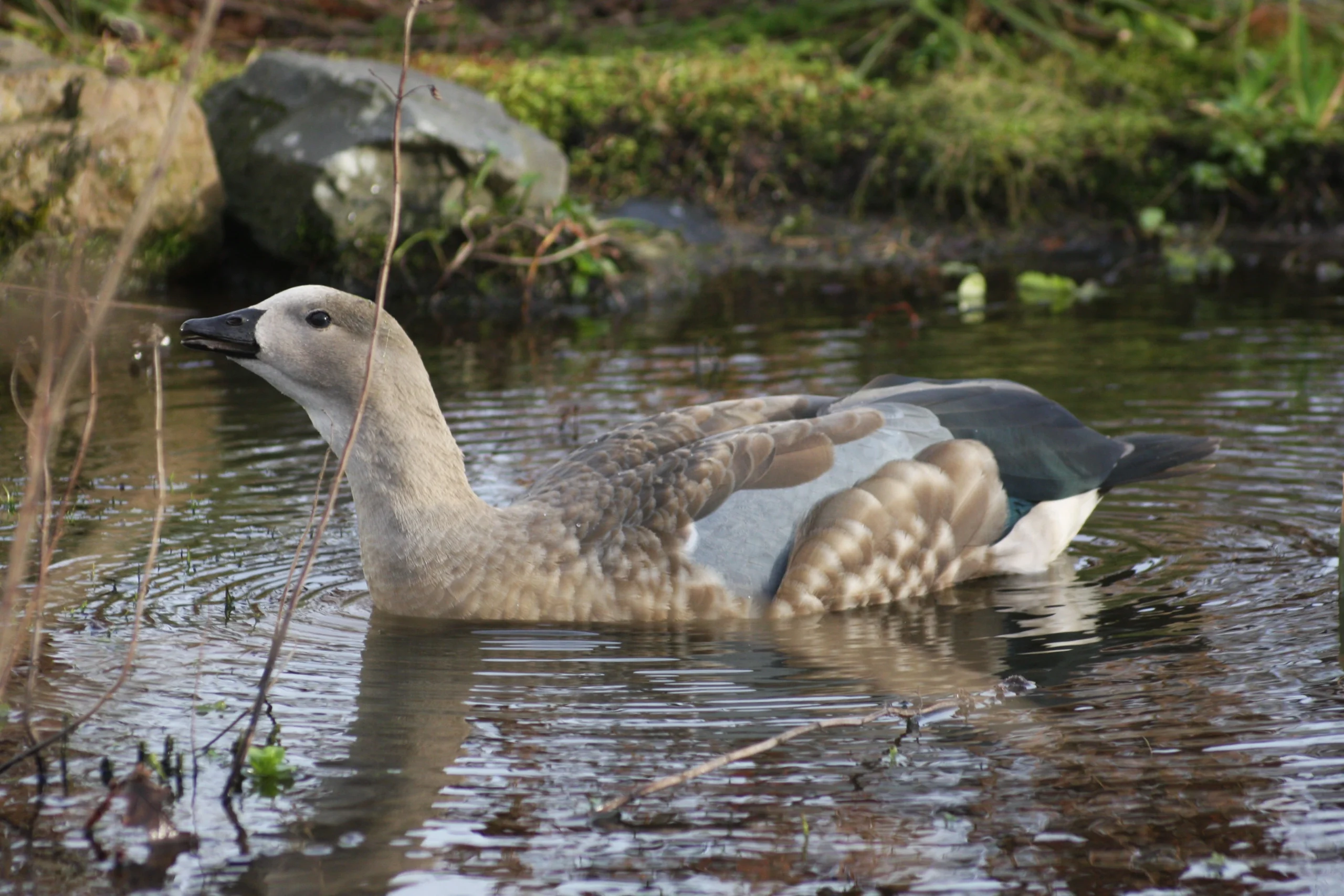
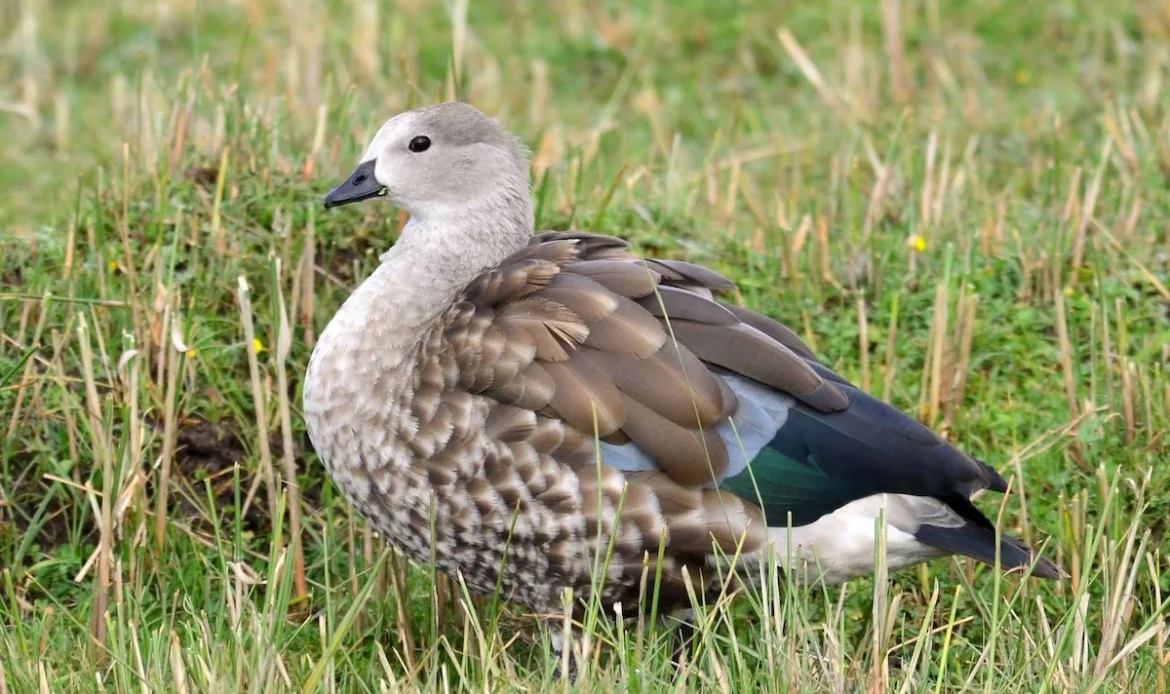
When people think about endangered species, they usually picture the famous ones. Tigers. Rhinos. Pandas on a conservation poster. But plenty of animals are slipping toward extinction without ever getting that kind of attention, and the Blue-winged Goose is one of them. This bird lives only in the Ethiopian Highlands, moving through wetlands, grasslands, and high-altitude terrain that is getting harder to survive in as people expand and the climate shifts.
Most geese travel across continents. This one does not. It is endemic to Ethiopia, which is a polite way of saying its entire future rides on the health of a single region. It keeps to itself, it does not roam far, and that quiet life has kept it off the radar. None of that makes its situation any less urgent. If we actually want to protect wildlife, we have to care about the species nobody is talking about, not just the ones on the fundraising campaigns.
The Blue-winged Goose is not just nice to look at. It helps keep wetland ecosystems healthy, and its presence is a reminder that even a small, isolated habitat feeds into the bigger picture of global biodiversity. With stronger wildlife conservation, real animal extinction awareness, and a genuine push to help save wildlife, this bird still has a fighting chance.
Table of Contents
Reality Check 1: It Lives in Only One Place on Earth
The Blue-winged Goose exists exclusively in Ethiopia’s highlands. Nowhere else. That kind of narrow range means any big environmental shift hits the whole species at once, with no backup population somewhere else to soften the blow.
For an endangered species, being tied to one region is a serious gamble. Habitat damage, a changing climate, or spreading human settlement can leave the bird with nowhere to go. Protecting it means safeguarding that specific landscape before it changes for good, which is exactly the kind of focused effort needed to protect wildlife in places like this.
Reality Check 2: The Wetlands Are Quietly Vanishing
Wetlands give the Blue-winged Goose its food, its nesting spots, and its shelter. The problem is that a lot of these areas are being drained or turned over to farming and development, often with little notice.
Every wetland that disappears takes away something this endangered species relies on daily. Good wildlife conservation starts right here, with holding onto the habitats that support the bird and the people living nearby at the same time.
Reality Check 3: A Small Population Leaves Little Margin for Error
Compared to a lot of other birds, the Blue-winged Goose does not have many individuals left. Small populations are simply more fragile. One disease outbreak, one bad stretch of habitat loss, and the numbers can drop fast.
This is where animal extinction awareness really matters. When there are fewer birds to begin with, there is almost no cushion when something goes wrong. The time to help save wildlife is before those numbers slide any lower, not after.
Reality Check 4: Climate Change Is Rewriting the Highlands
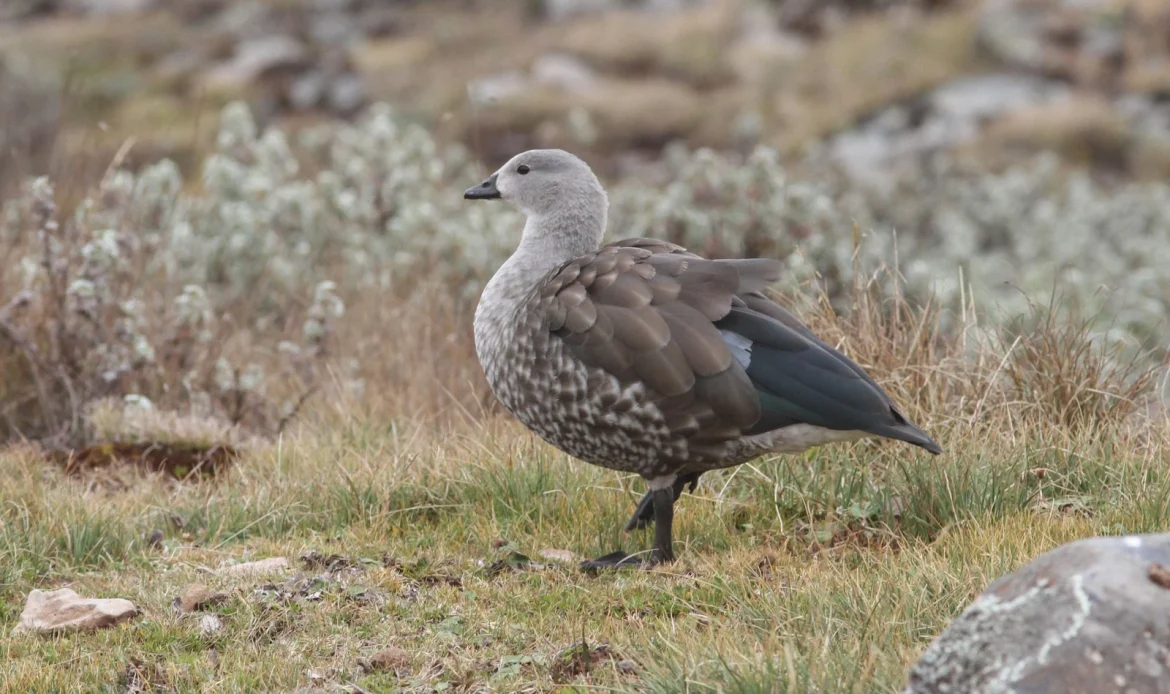
The Ethiopian Highlands are already seeing rainfall patterns and seasons behave differently than they used to. That ripples straight into the wetlands, the plant life, and how much food is actually available.
For this endangered species, a shifting climate piles new problems on top of the habitat loss it was already dealing with. Any serious plan to protect wildlife here has to build in climate resilience, not treat it as an afterthought.
Reality Check 5: Being Obscure Works Against It
A lot of endangered animals attract international funding and research precisely because people recognize them. The Blue-winged Goose does not have that going for it. Most of the world has never heard of it.
Low visibility usually translates into fewer conservation dollars and less scientific attention. Building animal extinction awareness is how lesser-known species get on the map before their situation turns into an emergency.
Reality Check 6: Human Pressure Keeps Growing
Farming, livestock grazing, and new infrastructure keep pushing further into the Ethiopian Highlands. These activities matter to local livelihoods, there is no denying that, but they also chip away at the quality of the habitats the bird needs.
Strong wildlife conservation is not about choosing people over nature or the other way around. It looks for approaches where both can hold their ground. Sustainable land management can support communities and still help protect wildlife that depends on these fragile places.
Reality Check 7: Every Species Holds the Web Together
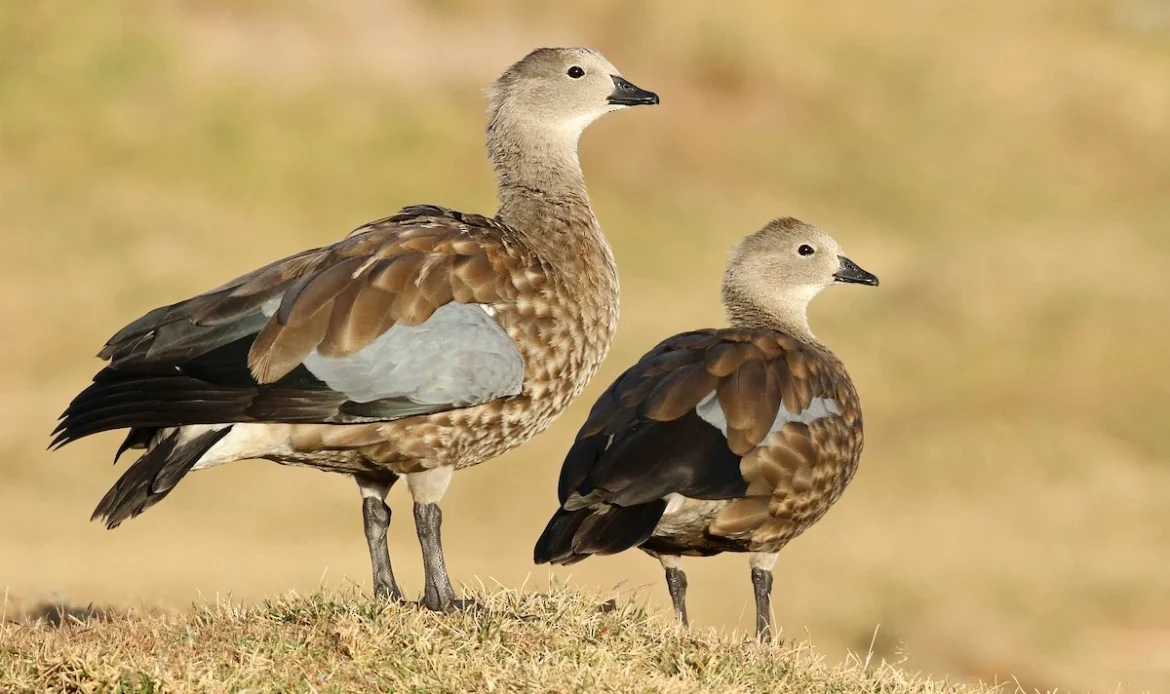
Through its feeding habits and its everyday interactions with the environment, the Blue-winged Goose plays a part in keeping wetland ecosystems healthy. Every species does something, even when that something is not obvious from the outside.
When a single endangered species starts to fade, the balance of the whole ecosystem can shift in ways that are hard to predict. To really help save wildlife, conservation has to value every species, not only the ones that make the headlines.
Reality Check 8: There Is Still Real Reason for Hope
For all of that, the Blue-winged Goose is not a lost cause. Protected habitats, ongoing scientific research, and community-led programs are already doing meaningful work to preserve Ethiopia’s biodiversity.
What it comes down to is staying committed. By strengthening wildlife conservation, spreading animal extinction awareness, and getting more people to protect wildlife, we can give this bird a genuine shot at sticking around for generations.
Why the Blue-winged Goose Still Matters?
This bird is a small window into the remarkable biodiversity of Ethiopia’s highlands. When it thrives, it tells you the wetlands around it, and the countless plants and animals that share them, are doing well too. Protect the goose and you are really protecting an entire ecosystem that exists nowhere else on the planet.
Every endangered species is a reminder that biodiversity is built from countless unique lives working together, most of them unnoticed. Through stronger wildlife conservation, steady efforts to help save wildlife, and wider animal extinction awareness, we can keep quiet species like the Blue-winged Goose in the picture.
Last Words of Encouragement
The Blue-winged Goose will probably never be a famous bird, and that is fine. Its survival matters just as much as any of the household names. Every endangered species deserves a real chance to thrive, no matter how much attention it happens to get.
When we choose to protect wildlife, put weight behind wildlife conservation, build animal extinction awareness, and keep working to help save wildlife, we help hold onto the kind of diversity that makes this planet worth caring about in the first place.
Frequently Asked Questions (FAQ)
Why is the Blue-winged Goose being considered an endangered species?
It is an endangered species mainly because of habitat loss, wetland degradation, climate change, and the simple fact that it lives in just one part of Ethiopia with nowhere else to fall back on.
Why is wildlife conservation important for the Blue-winged Goose?
Wildlife conservation protects the wetlands and highland habitats the bird needs for feeding, nesting, and breeding. Lose those places, and it loses everything.
How can people help protect wildlife like the Blue-winged Goose?
You can protect wildlife by backing habitat conservation, supporting sustainable land use, and helping spread the word about species most people have never heard of.
Why is animal extinction awareness important?
Animal extinction awareness helps people understand what vulnerable species are up against, and it pushes action while there is still time, before populations drop too far.
How can individuals help save wildlife?
You can help save wildlife by supporting conservation groups, protecting natural habitats, and making everyday choices that are a little easier on the environment.