
Help Save Wildlife: Where Survival Starts to Unravel – 8 Hidden Patterns in the Numbat’s Decline
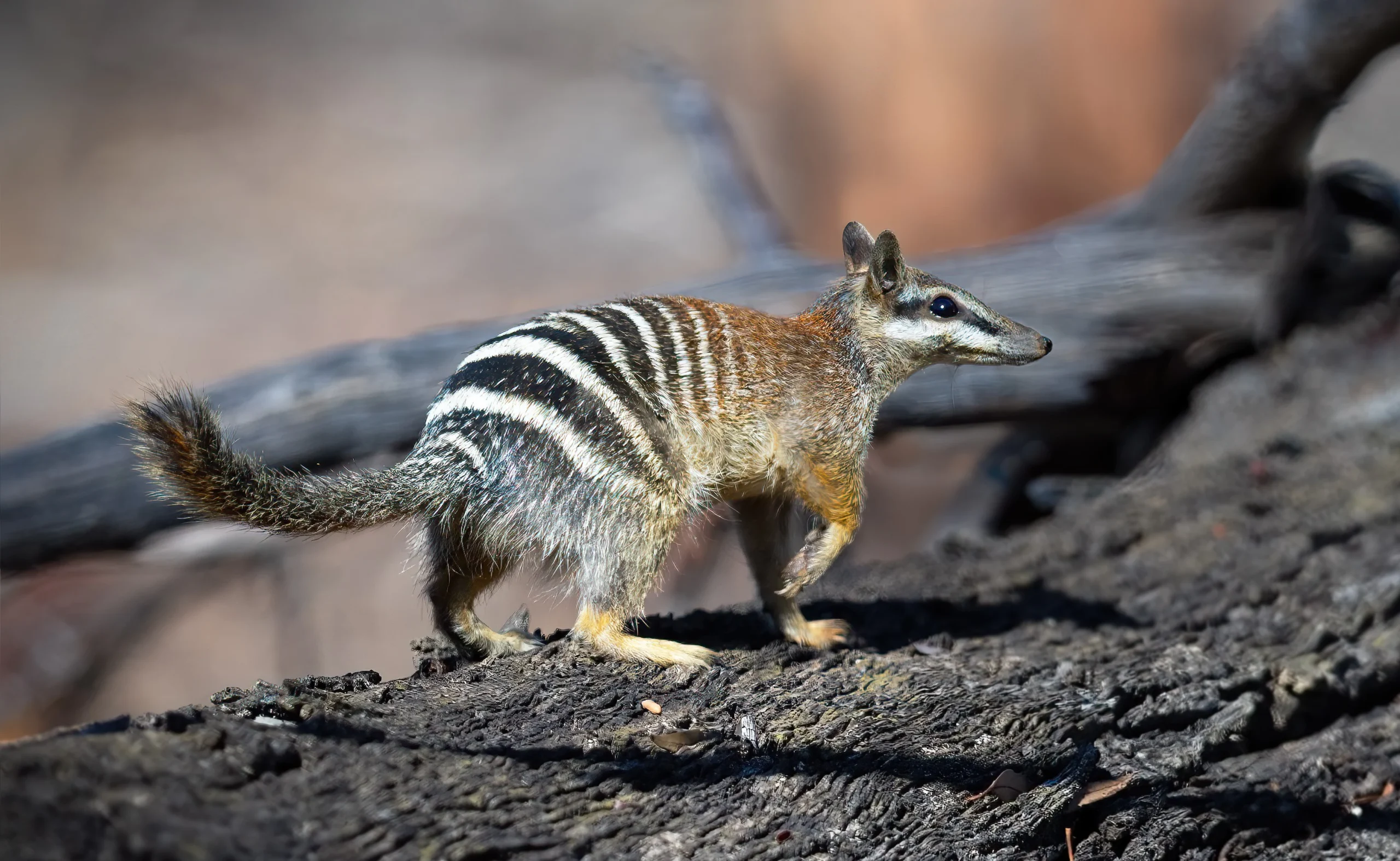
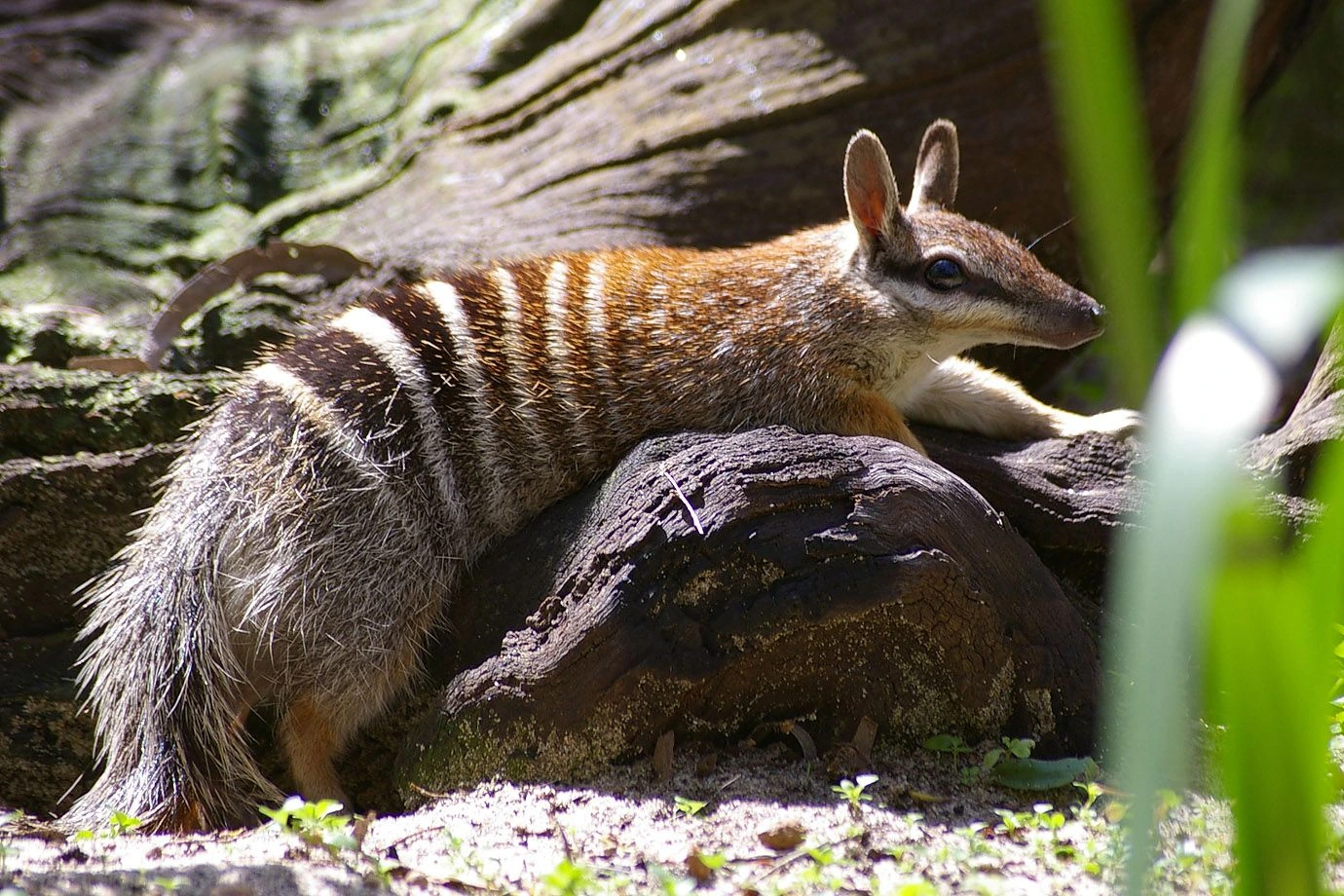
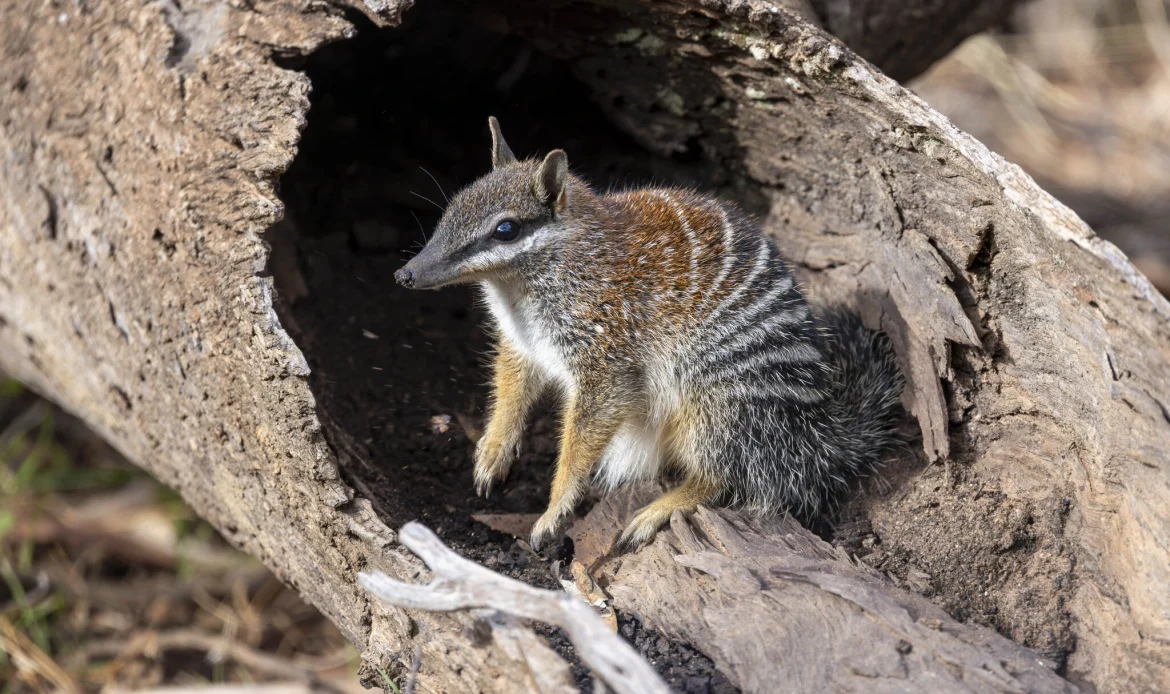
To help save wildlife, we have to pay attention not just to the loss of species through dramatic extinction events, but also to the slow loss of existing species (i.e., the ongoing decline of many currently living species). One of these examples is the Numbat, an endangered species, a perfect example of how this is occurring. At one time, the Numbat was more widely distributed over much of Australia. Today, it exists in small, increasingly isolated patches throughout Australia, and its future remains uncertain despite ongoing wildlife conservation assistance.
To properly protect wildlife, it is necessary to understand the gradual nature of the process of extinction, and how there are often warning signs of declining species prior to them reaching a critically low population; it is essential to first increase awareness of the problem of extinction, since then we will be more likely to identify these problems earlier before they reach such an extreme and be able to make corrective action.
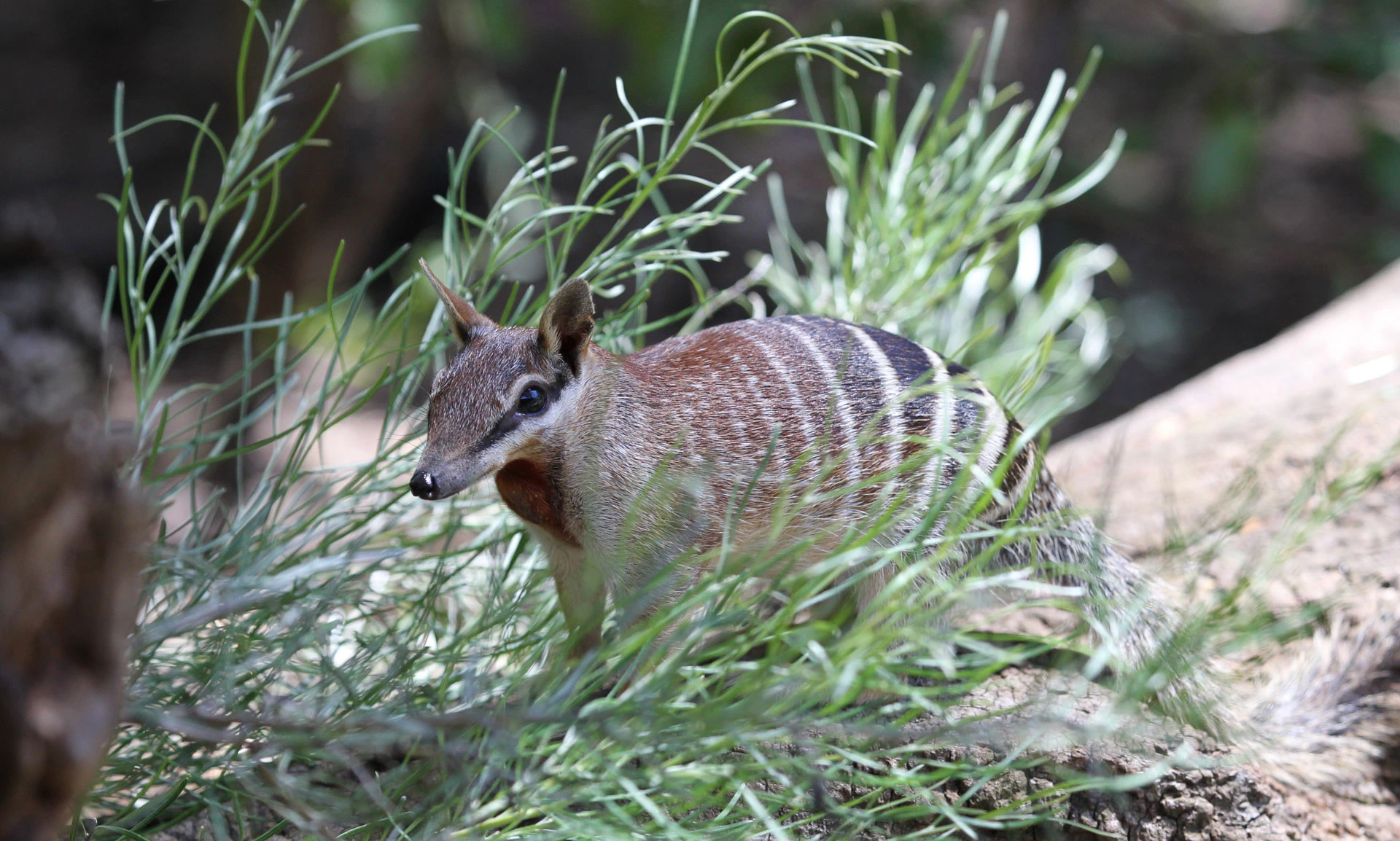
Table of Contents
1. Decline Doesn’t Begin With Disappearance
The disappearance of this endangered species was not sudden but rather a slow, gradual decline over time. As time went on, the habitat changed, and predation and other environmental impacts eroded the population’s integrity, until eventually a point was reached when the total number of endangered animals could be measured.
Efforts made to help save wildlife require early detection of the decline, while strong wildlife preservation efforts should focus on prevention instead of recovery. Many of the signs that indicate an animal is at risk of extinction do not receive any attention because the public has little or no awareness of such wildlife.
2. Habitat Loss Works Slowly – But Permanently
Numbats require certain types of habitats in order to survive, particularly those that consist of termite-rich woodlands. When natural habitats are depleted as a result of changing land use, the remaining habitats are either too small or too fragmented to provide stable populations of numbats.
To protect wildlife, we must focus on protecting their natural habitats in order to be successful. Wildlife conservation efforts enable resilient species to continue to thrive. Therefore, increasing awareness of animal extinctions can serve to bring more attention to the need for habitat protection.

3. Small Populations Create Bigger Problems
Today’s declining species face extinction due to dwindling numbers. Small populations cannot survive against the combined forces of disease, genetic defects, and catastrophic changes in their environment.
Conservation strategies must focus on both increasing population numbers and genetic diversity among these declining species to help save wildlife. Wildlife protection must ensure long-term survival, not merely short-term relief efforts. Increasing awareness of animal extinctions will provide the public with a better understanding of the problems faced by endangered animals.
4. Human Impact Remains the Core Driver
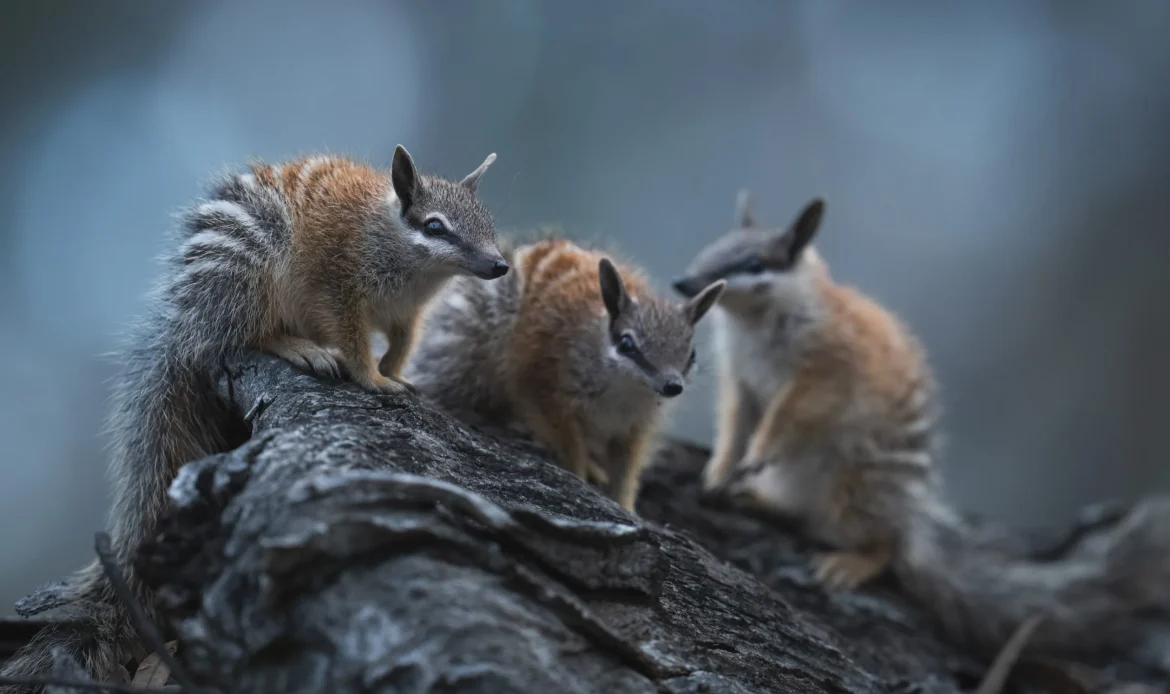
In addition to the decline in the numbers of Numbats due to human activity, including land-clearing for agriculture, human-caused predators have also harmed them. To preserve wildlife, we need stronger wildlife conservation laws coupled with public support to help restore wildlife populations. One way to accomplish this is by increasing awareness of animal extinction through education and advertising, thus motivating us to do our part.
5. Conservation Efforts Are Fragile
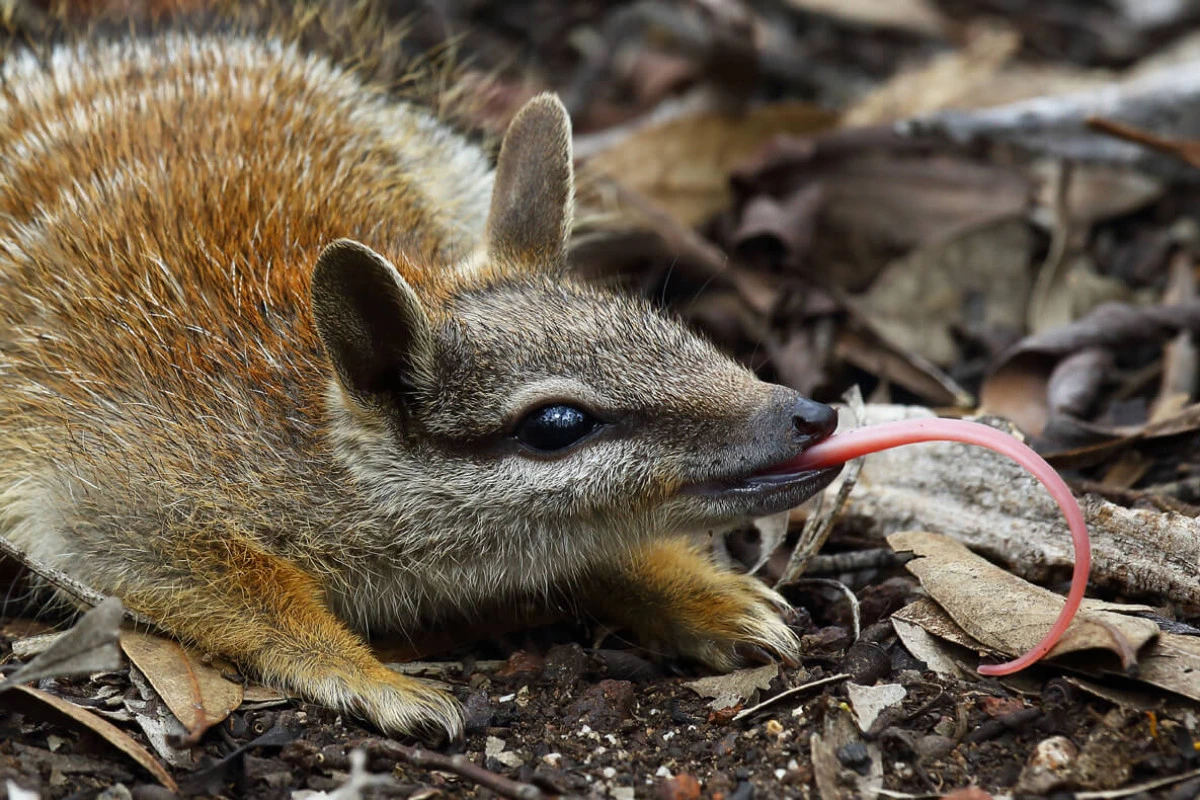
The existing programs that exist to aid in recovering the endangered species suffer from the dual challenges of a lack of funding to implement them and the inability to make them worthwhile when implemented. Recovery may occur slowly and can be easily derailed.
In order to effectively help save wildlife, consistent conservation efforts and substantial support for those efforts are required. Robust wildlife protection frameworks guarantee an ongoing commitment to sustainable conservation. The establishment of awareness of impending extinction may provide the necessary support to achieve long-term success.
6. Ecosystems Depend on Every Species
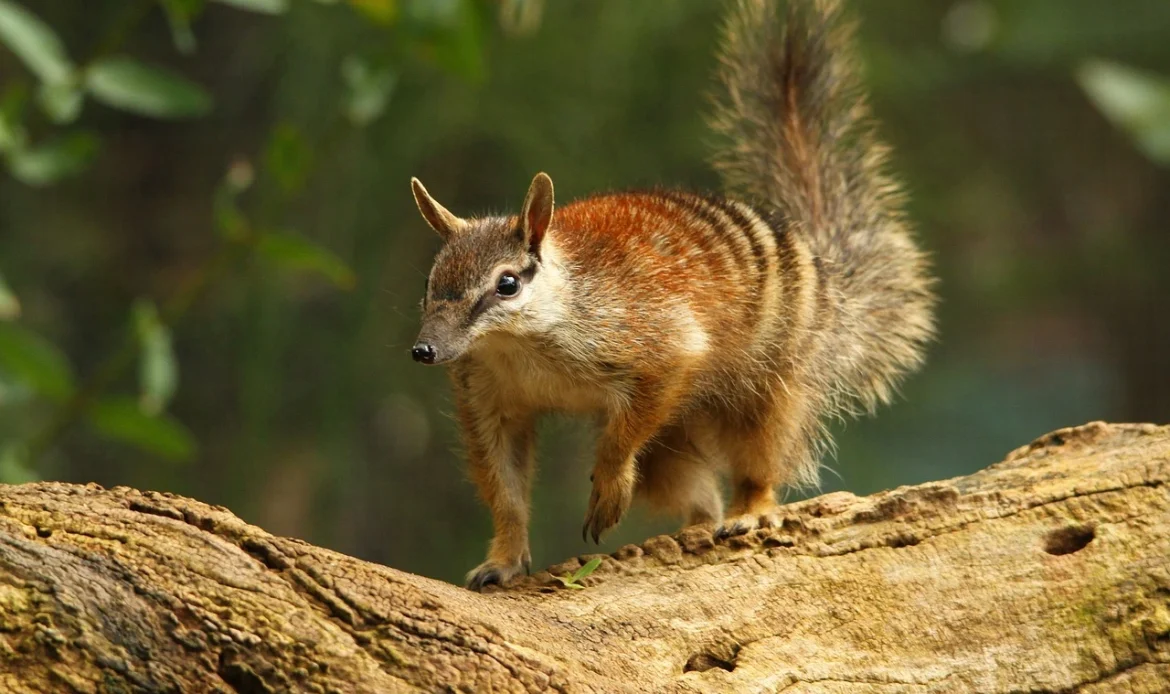
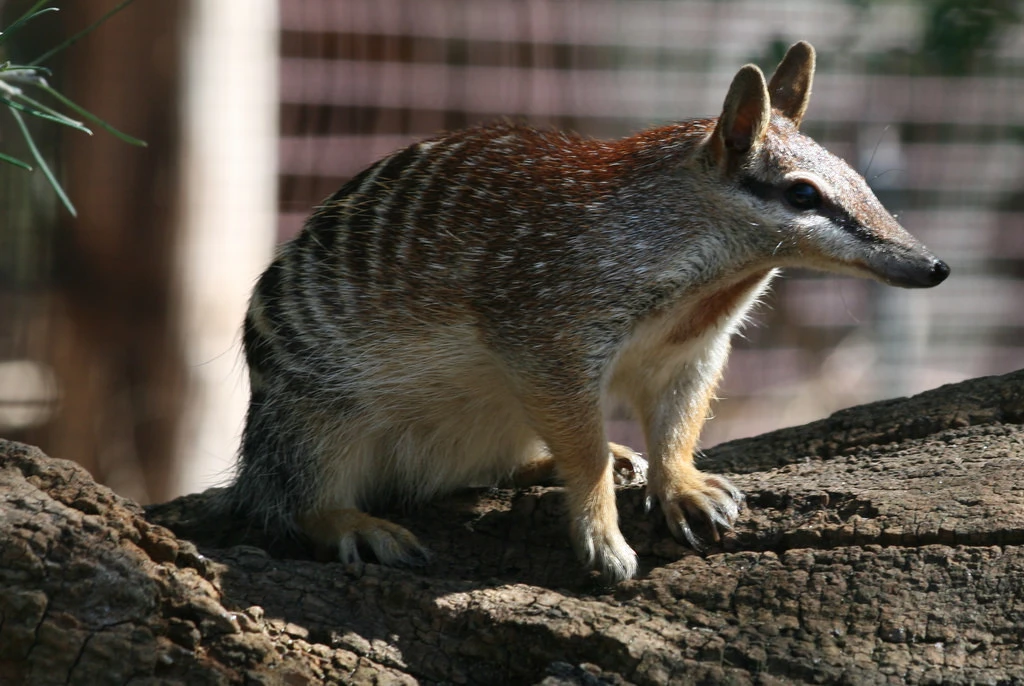
The numbat’s role in managing termites helps keep an ecosystem healthy, and if removed, would disrupt many species in addition to the numbat itself.
To protect wildlife, we must understand the connection between ecosystems. Wildlife preservation is beneficial for all species, and raising awareness of animal extinction will allow people to see more of the bigger picture.
7. Awareness Still Falls Short
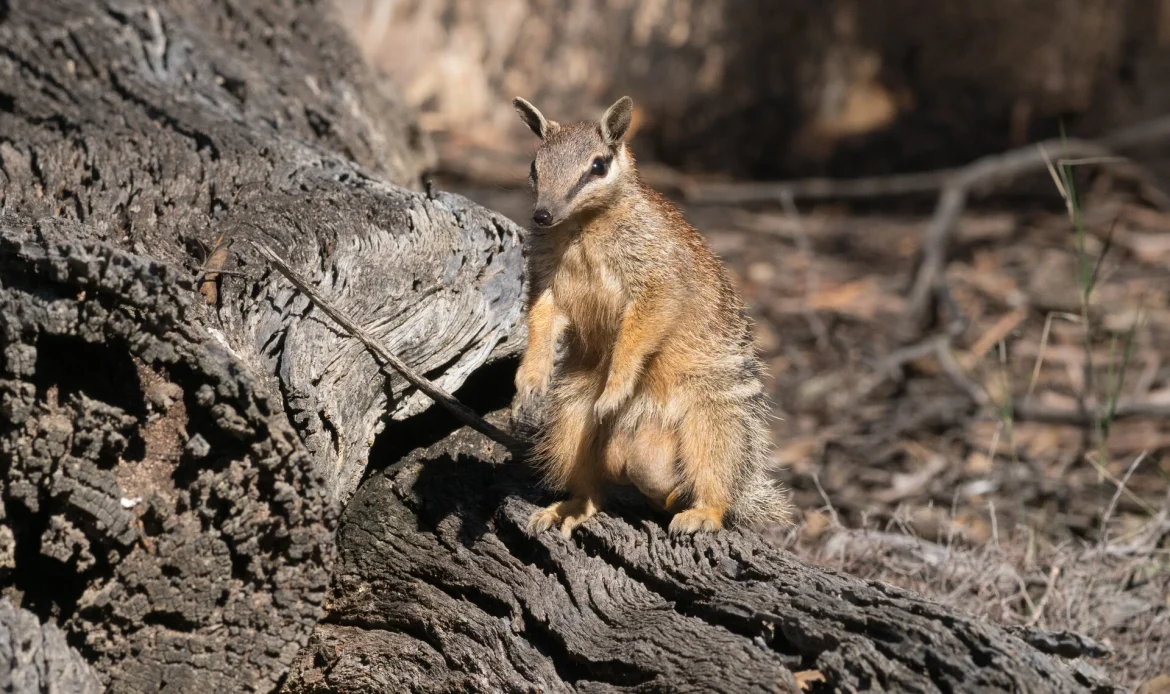
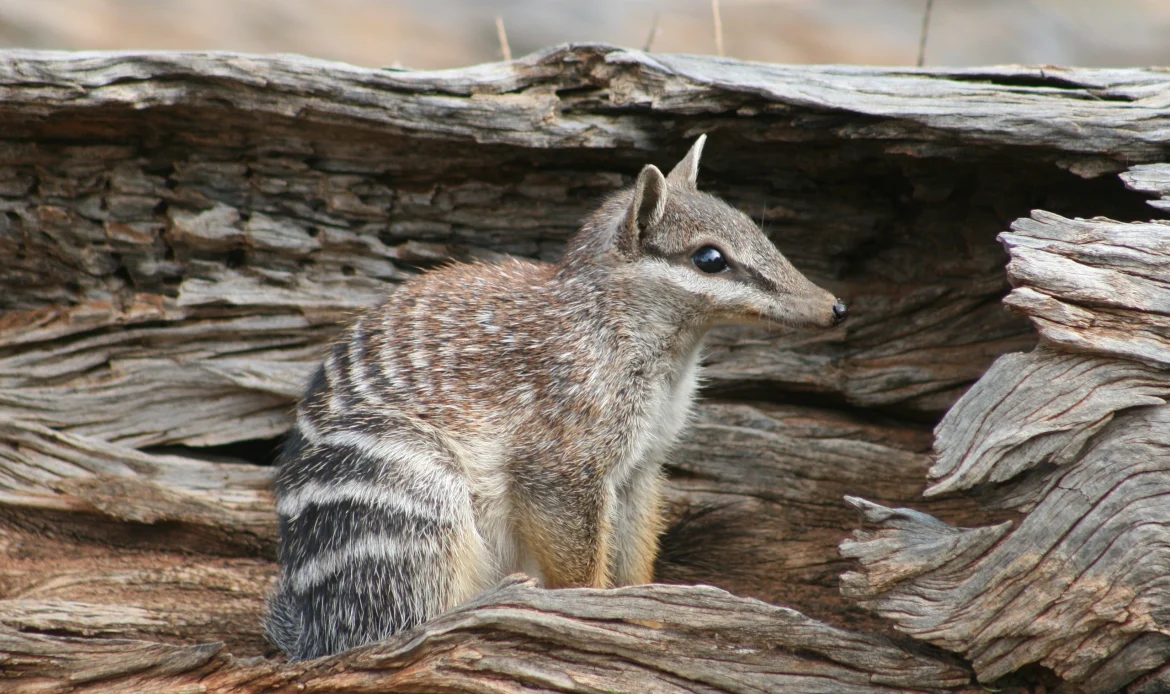
This unique species, while an endangered species, is not as widely known as it is unique. Awareness of these animals is an urgent need because low awareness levels will reduce urgency, thereby limiting available conservation.
An increase in awareness of the need to save animals is critical to saving animals. A lack of awareness concerning the threat of animal extinction will result in the best attempts to conserve wildlife, and will result in limited success.

8. Time Is Running Out Faster Than We Think
The most critical pattern of mitigate extinction of wildlife concerns the speed of decline. What seems to be stable today can shift rapidly toward crisis.
To preserve wildlife from extinction, you must take immediate action. To ensure the survival of wildlife, your focus should be on strengthening wildlife conservation and increasing awareness of animal extinction. Without timely action, efforts to save wildlife will be too late.
Why the Numbat Still Matters
The endangerment of this species is not simply indicative of its rarity; it also indicates the health of an entire environment. If the animal survives, we will know whether current conservation measures are effective.
To help save wildlife from extinction, we must have knowledge regarding the ecological implications of individual wildlife populations. By educating ourselves on wildlife extinction, we increase our awareness about the need for wildlife preservation, so that extinct species will not remain lost to society.
The Bigger Pattern We Cannot Ignore
The Numbat’s suffering isn’t alone: many other creatures also experience an early, slow decline that goes on largely unnoticed.
In order to protect wildlife, we need to go from being reactive to being proactive in our approach toward conservation. The only way to prevent wildlife from disappearing is to increase the level of conservation and promote awareness of the plight and potential for animal extinction. You can help out in an overall way by supporting any efforts to help keep wildlife safe.
Last Words of Encouragement
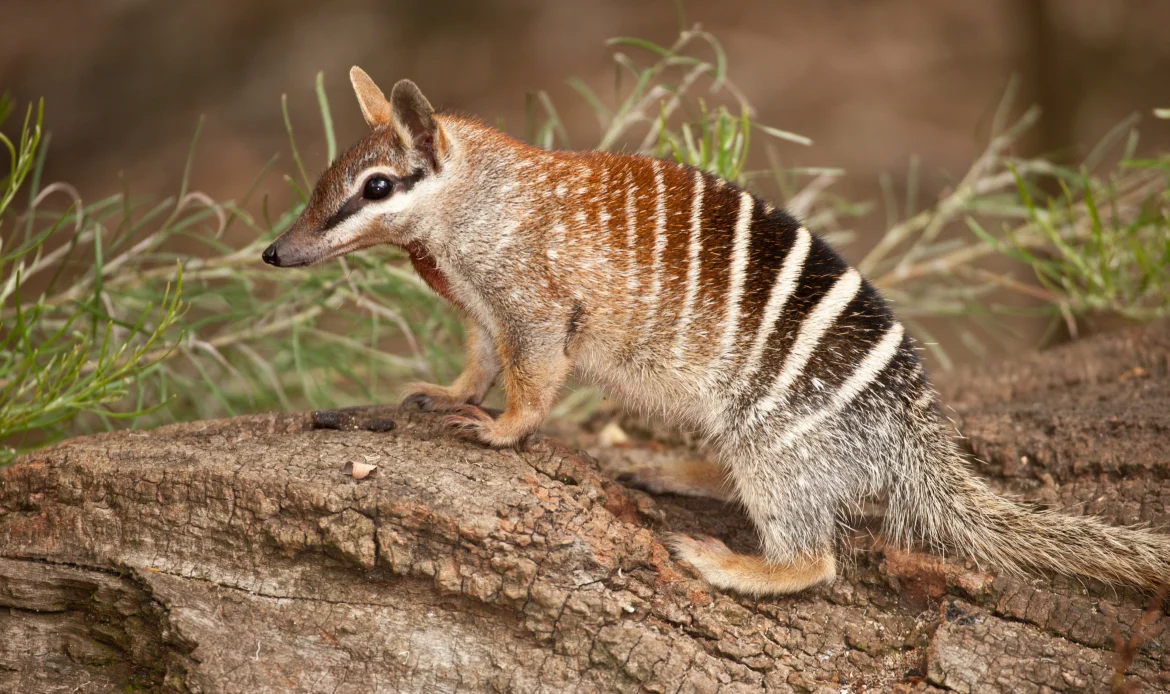
Acknowledging the existing patterns of extinction can help save wildlife. The Numbat’s survival story demonstrates that their survival is actually very delicate. By recognizing this, we can create more effective wildlife conservation programs and become more aware of threatened animal species. If we work together to protect wildlife, we can still see progress made during the second phase of the unravelling. Every single action we take has an accumulative impact on our planet. Although we have begun to unravel the natural world, we have yet to finish this process. Our actions today will determine if this process will continue.
Frequently Asked Questions (FAQ)
What makes the Numbat’s decline different from sudden extinctions?
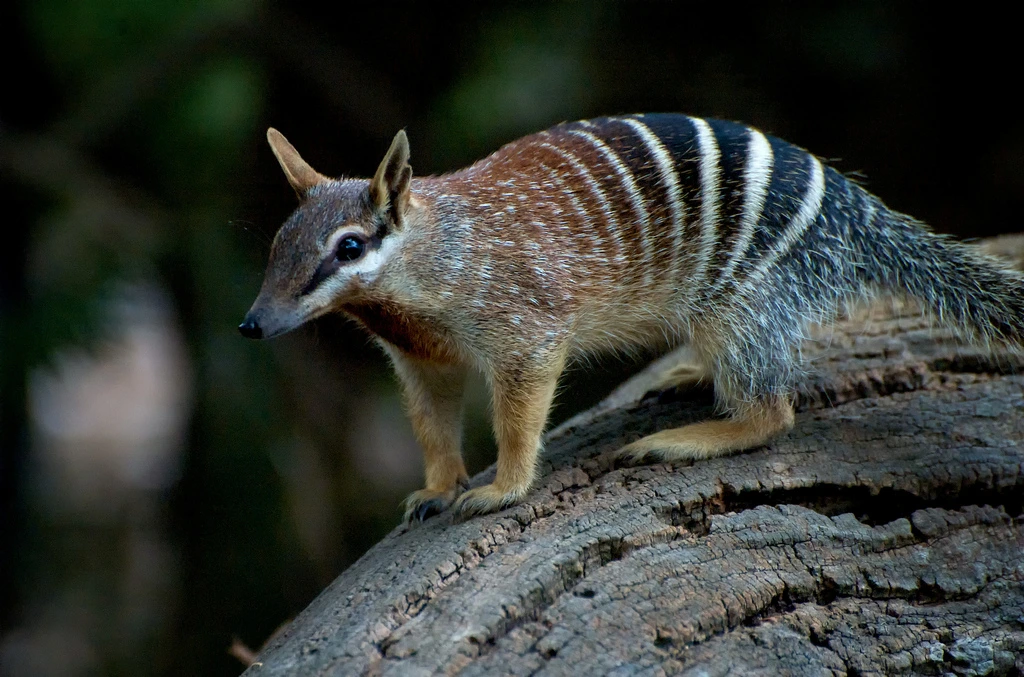
The Numbat’s decline is different from rapid extinction events because it is not as apparent due to the slow and gradual nature of its decline. Therefore, raising animal extinction awareness will help protect threatened species like the Numbat from going extinct before it is too late.
Why do conservation efforts sometimes fail even when they exist?
Wildlife conservation efforts may fail for a variety of reasons. A few of these reasons are: insufficient public comprehension, inadequate funding, and erratic management methods. If there is not a sufficient amount of public support in order to provide proper protection for animals within their natural environment, the ability to effectively safeguard these animals will be greatly hampered.
How does the Numbat’s survival reflect larger environmental issues?
The Numbat reflects greater environmental concerns because it is endangered, and that reflects overall issues of habitat loss and imbalance in ecosystems. The Numbat’s condition is indicative of what is happening to wildlife conservation around the world.
What is the biggest misconception about endangered species like the Numbat?
One thing people often misunderstand about endangered species, such as the Numbat, is that once they still exist, they’re secure. What people do not realize is that survival can actually be very tenuous; therefore, continued action is needed to help save wildlife.
Why is early awareness more important than late intervention?
What makes early awareness important rather than late intervention? Because populations become so small that they are difficult and expensive to bring back. Increasing animal extinction awareness earlier we can conserve wildlife promptly before their population drops to dangerous levels.