Protect Wildlife Before Silence Replaces Speech “A Talking Bird Losing Its Home”: 8 African Grey Parrot Truths
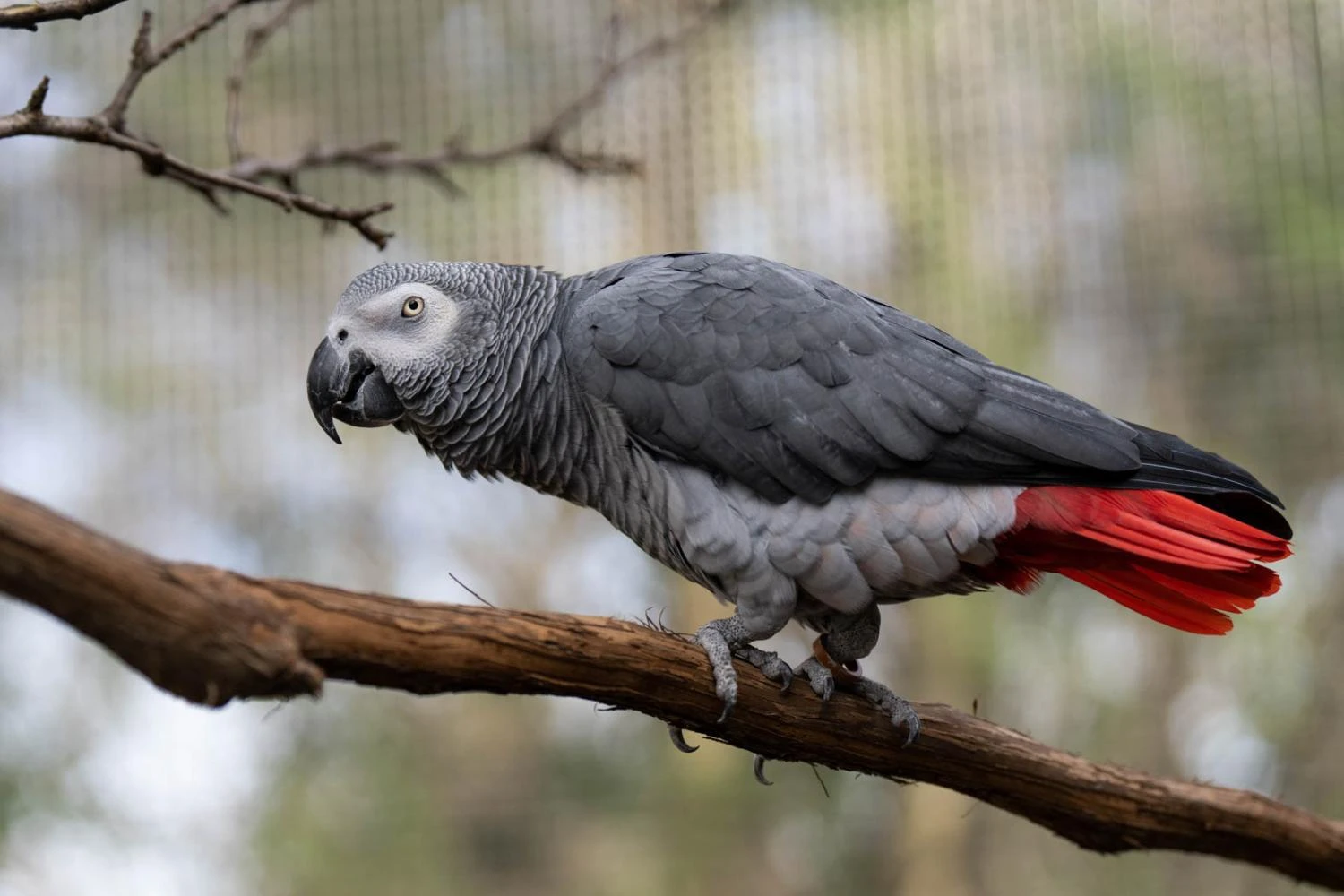
When we think about ways to protect wildlife, we usually consider protecting their habitats, stopping poachers, or protecting ecosystems. But what happens to a species that is being removed not only from forests but also by not allowing them to express themselves in nature? One of the most intelligent birds on the planet is the African Grey Parrot, a bird that can understand language, emotions, and patterns. However, the African Grey Parrot is currently listed as an endangered species and is at risk of disappearing from nature despite its ability to survive naturally.
The extinction of the African Grey Parrot from nature is not a result of its not being able to survive in nature. Instead, the extinction of the African Grey Parrot from nature is a result of humans wanting to take them home. This uncomfortable truth highlights a deeper animal extinction awareness issue: sometimes, the very traits that make a species extraordinary are the same traits that put it at risk.
Table of Contents
Intelligence Has Become Its Greatest Risk
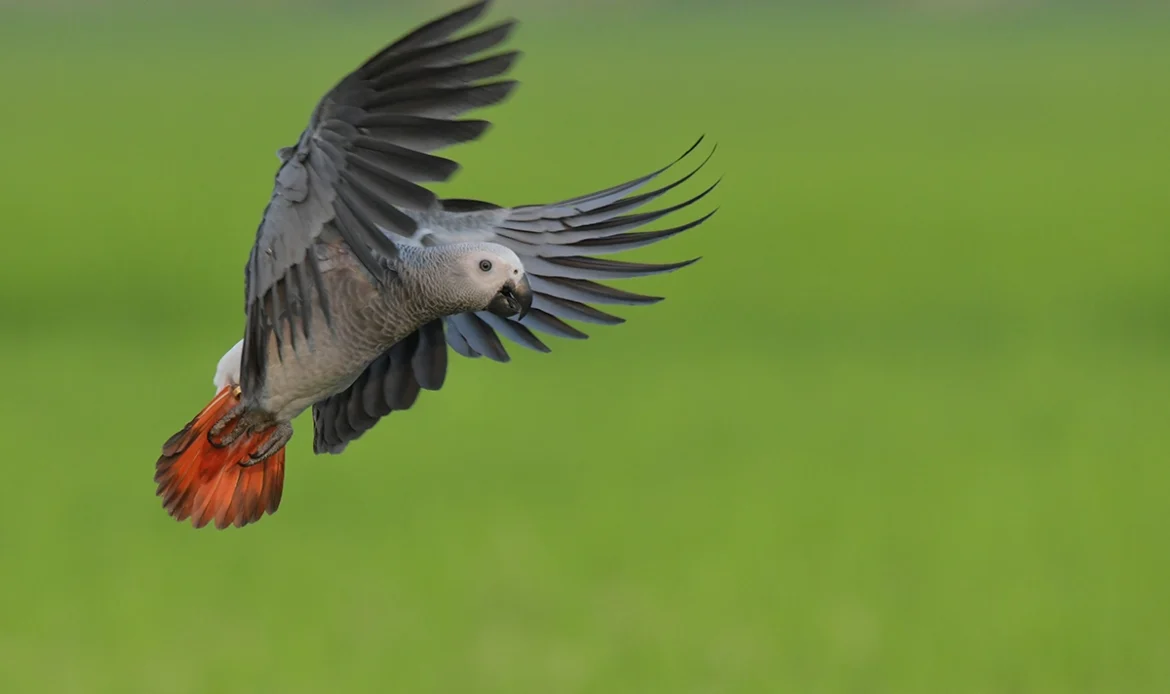
In terms of cognition, the African Grey Parrot is similar to a small child, as they can imitate words and phrases, identify and understand objects, and grasp such concepts as size, shape, or colour. Because of its intelligence, the African Grey occurs frequently in the global pet trade.
However, this demand results in an endless cycle of exploitation; therefore, in order to save endangered animals such as the African Grey Parrot, we must recognize that intelligence should not be a reason for the exploitation of an animal, but instead serves as confirmation of our duty to protect wildlife and its habitat.
The Illegal Pet Trade Is Still Thriving
The illegal capture and sale of African Grey Parrots continue in many regions throughout Africa, regardless of laws and regulations. AGPs are taken from the wild in very large numbers. Very many AGPs die on the way to markets.
This is a significant challenge to wildlife conservation. There are existing enforcement gaps and a continuing high demand for AGPs provides support to illegal markets. In order to adequately protect wildlife, governments must have much greater cooperation globally and must have improved monitoring systems in place.
Habitat Loss Is Reducing Safe Spaces
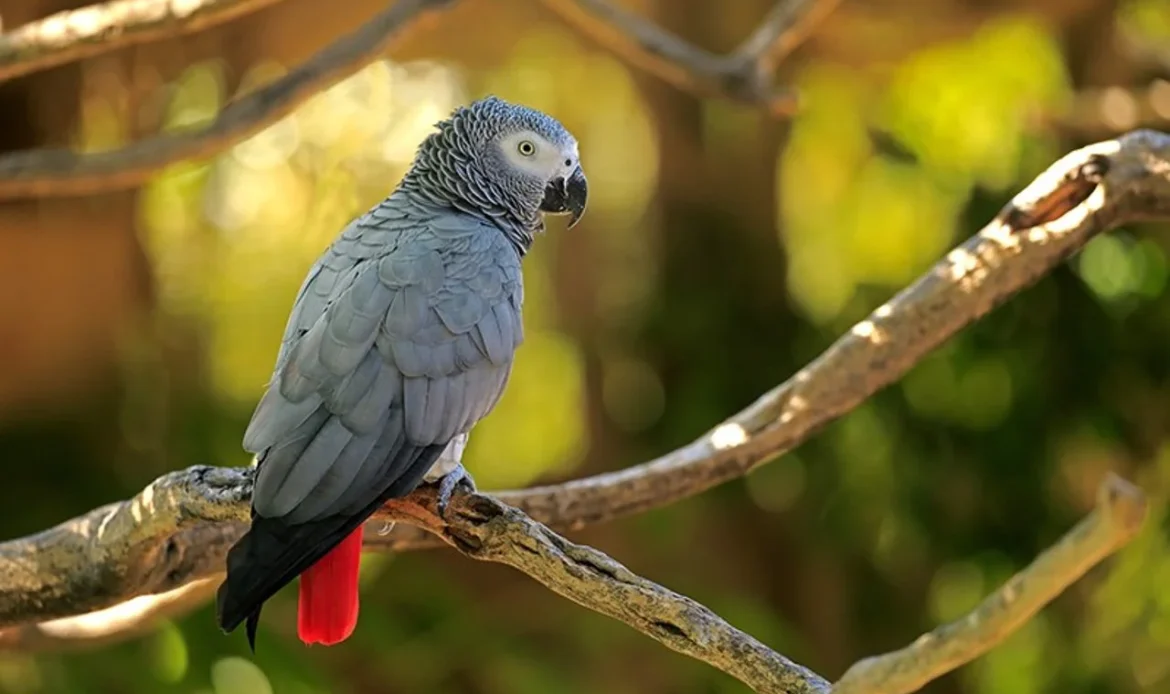
The African Grey Parrot faces yet another major danger in the form of deforestation. Each day, logging, agriculture, and urban expansion increase the area of forests lost, which are critical habitat for these birds.
For any endangered species, habitat loss is typically as significant a threat to that species as direct exploitation. Species with no secure location to nest or feed will quickly decline in numbers; therefore, we must focus on protecting habitat as much as on employing measures to prevent poaching.
Captivity Changes Their Natural Behaviour
African Grey Parrots are extremely social animals. They naturally live in large groups and communicate frequently with one another. In addition, they have strong attachments with their flock mates. When kept as domestic birds, African Grey Parrots do not have the opportunity to experience the same socialization that they would in their natural environment.
There are many people who care for parrots as pets; however, removing these birds from the wild continues to contribute to their declining population levels. To be able to save endangered animals, we need to change from owning animals and instead focus on protecting animals so that they can survive in their natural ecosystems.
Population Decline Is Happening Quietly
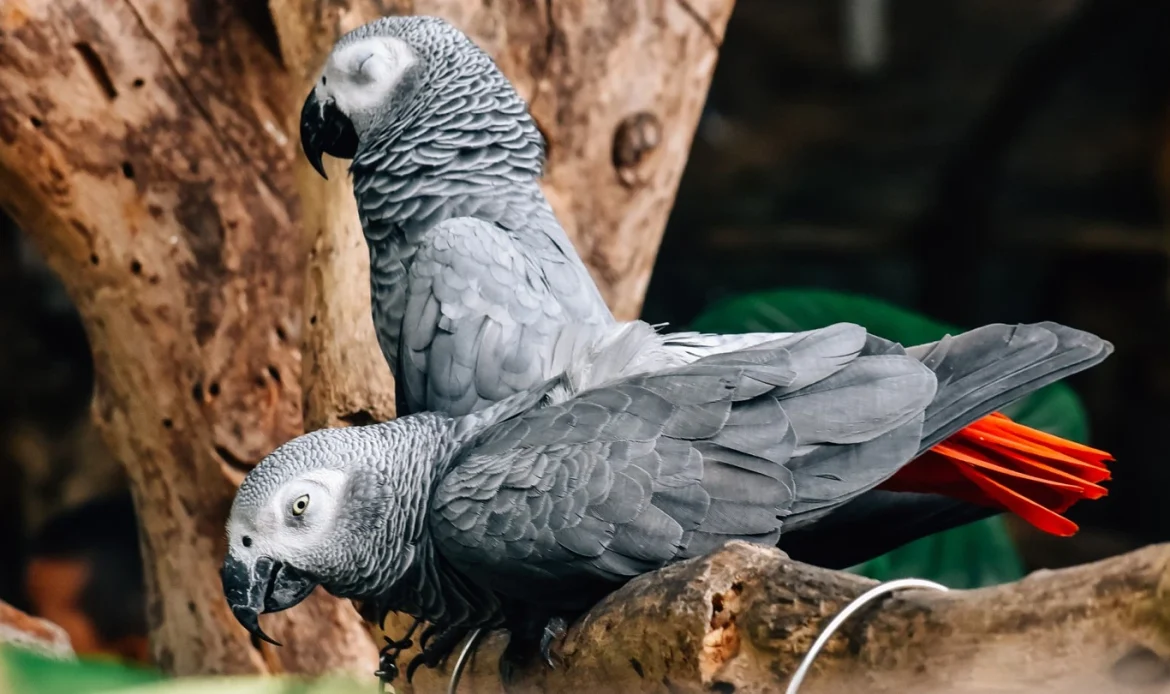
Unlike big mammals, people rarely notice when birds like the African Grey Parrot start to disappear. No one notices the slow disappearance of these birds until it is too late for us to do anything about them.
That is why animal extinction awareness is so important. If we don’t notice the early signs of problems with an endangered species before it’s too late to save them, we have missed our chance for conservation efforts. Detecting small declines in any endangered species will be very important to preventing their extinction.
Local Communities Are Part of the Solution
Local communities depend on forests for their livelihoods in many regions; therefore, conservation efforts that do not take into account these community-based needs often fail. Conservation plans must involve local people in order to protect the natural resources.
Education about the environment and sustainable income alternatives provides local communities with an opportunity to participate in long-term sustainable solutions to protect wildlife. Wildlife conservation is only truly successful when shared by the community.
Legal Protection Needs Stronger Enforcement
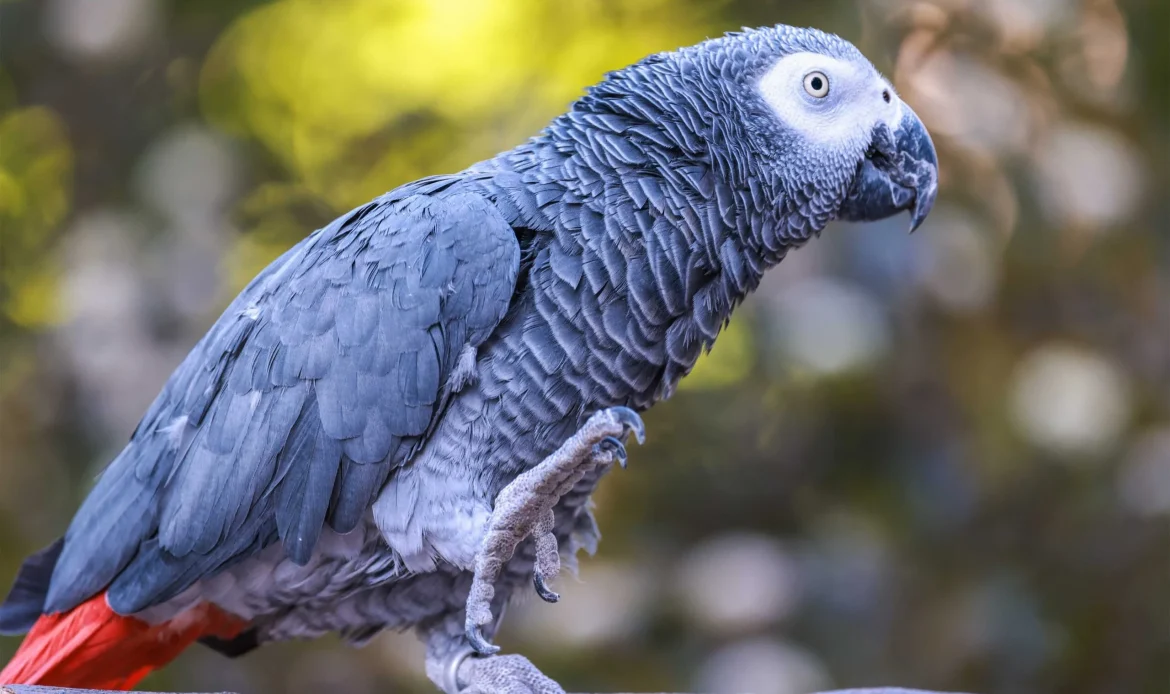
International conventions such as CITES help to protect the African Grey Parrot from illegal trade, but enforcement is necessary in addition to legal protection. The lack of enforcement makes it difficult to successfully build on global initiatives to save endangered animals. Action is needed in order to protect all species from global decline and therefore, policies that protect species should be implemented.
Losing Their Voice Means Losing More Than a Species
The ability of the African Grey Parrot to imitate human speech is well documented; however, their true voice is in the wild, where their vocalizations contribute to the overall forest soundscape and serve as an engine for maintaining ecological systems.
When an endangered species such as the African Grey Parrot is lost, it is an entire identity of the natural world that we lose—again underscoring the importance of raising animal extinction awareness and what they have provided; each species also plays an irreplaceable role in balancing the planet.
Why the African Grey Parrot Still Matters?
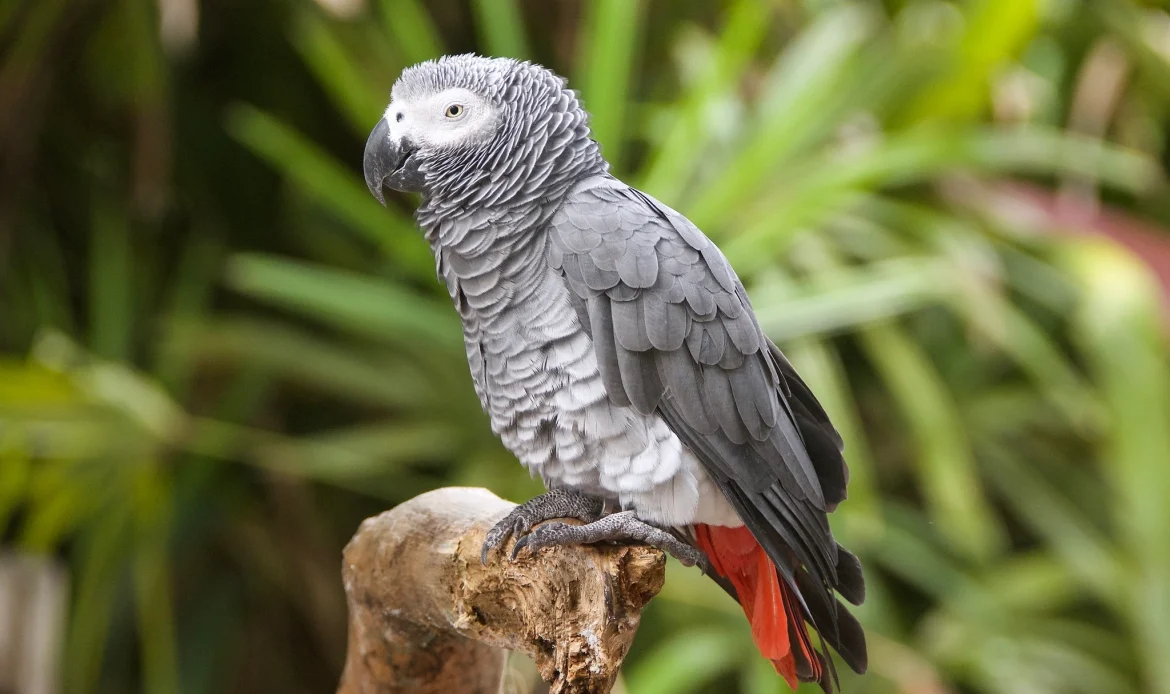
The African Grey Parrot is more than an intelligent bird. It represents the complex relationship between humans and nature. Its decline reflects how fascination, demand, and neglect can combine to threaten even the most remarkable species.
To protect wildlife, we must rethink how we interact with nature. Conservation is not just about preventing extinction. It is about preserving the natural behaviours, habitats, and roles of every species. Strong wildlife conservation and growing animal extinction awareness can still make a difference. But action must come before silence replaces the sounds of the wild.
Last Words of Encouragement
To protect wildlife, we must look beyond admiration and move toward responsibility. The African Grey Parrot teaches us that intelligence and beauty are not enough to guarantee survival. Without strong wildlife conservation, even the most remarkable endangered species can fade into silence.
By building stronger animal extinction awareness and choosing to save endangered animals through conscious action, we can ensure that voices like the African Grey Parrot continue to be heard—not in cages, but in the wild where they belong.
Frequently Asked Questions
Why is the African Grey Parrot considered an endangered species?
The African Grey Parrot is an endangered species due to illegal trapping for the pet trade and ongoing habitat loss. These combined pressures have caused a significant population decline.
Why is it important to protect wildlife like the African Grey Parrot?
To protect wildlife is to preserve ecosystems and biodiversity. Species like the African Grey Parrot play important ecological roles and contribute to forest health.
How does the pet trade affect efforts to save endangered animals?
The pet trade removes birds from the wild, often in unsustainable numbers. This makes it harder to save endangered animals and weakens natural populations.
What role does wildlife conservation play in protecting this species?
Wildlife conservation includes habitat protection, law enforcement, and public awareness. These efforts work together to stabilize populations and prevent further decline.
Why is animal extinction awareness important?
Animal extinction awareness helps people understand the impact of their actions, encouraging support for conservation and stronger efforts to protect wildlife.