Protect Wildlife Where the Map Almost Ends: “A Sloth Living at the Edge of Survival” 8 Reality Checks
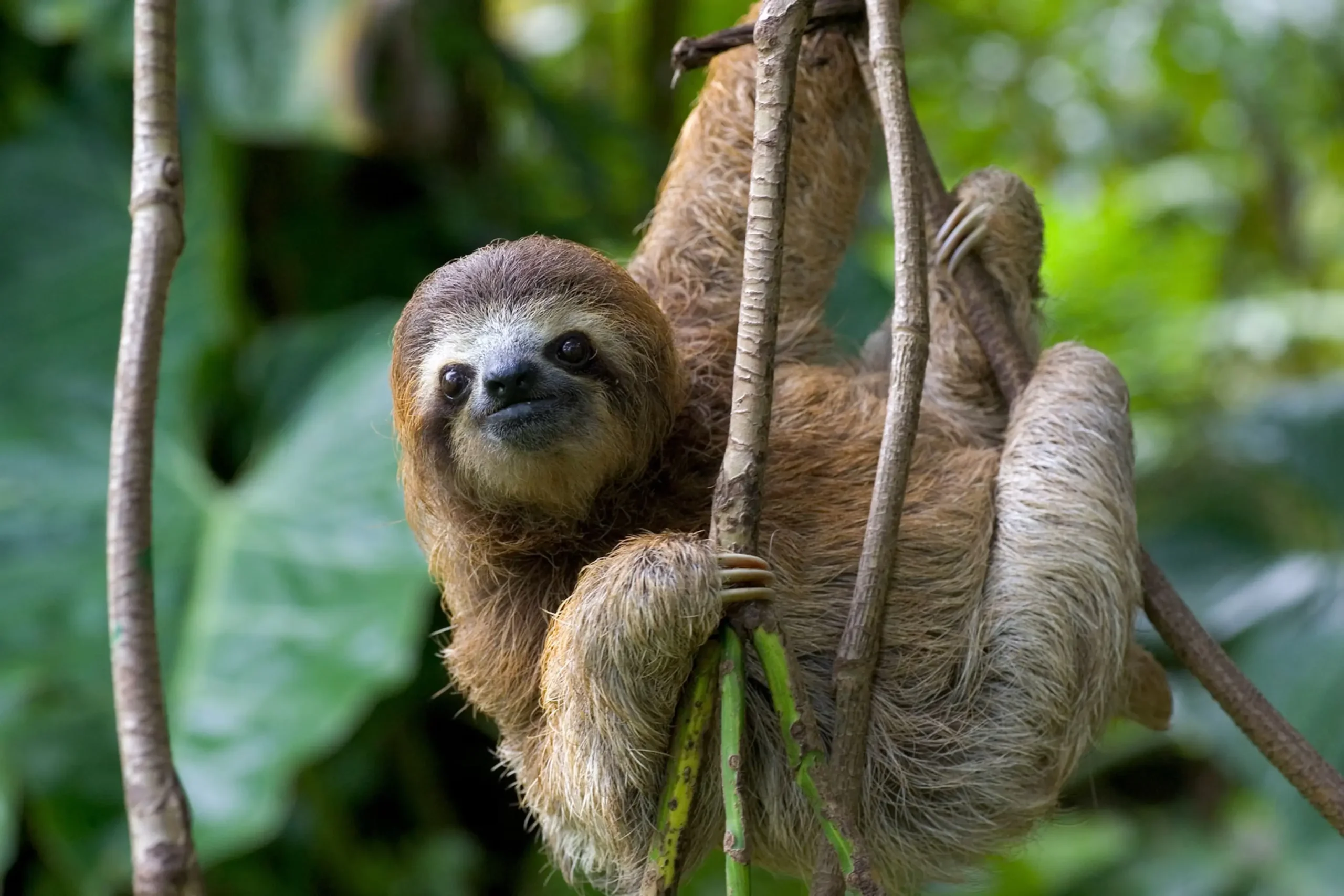
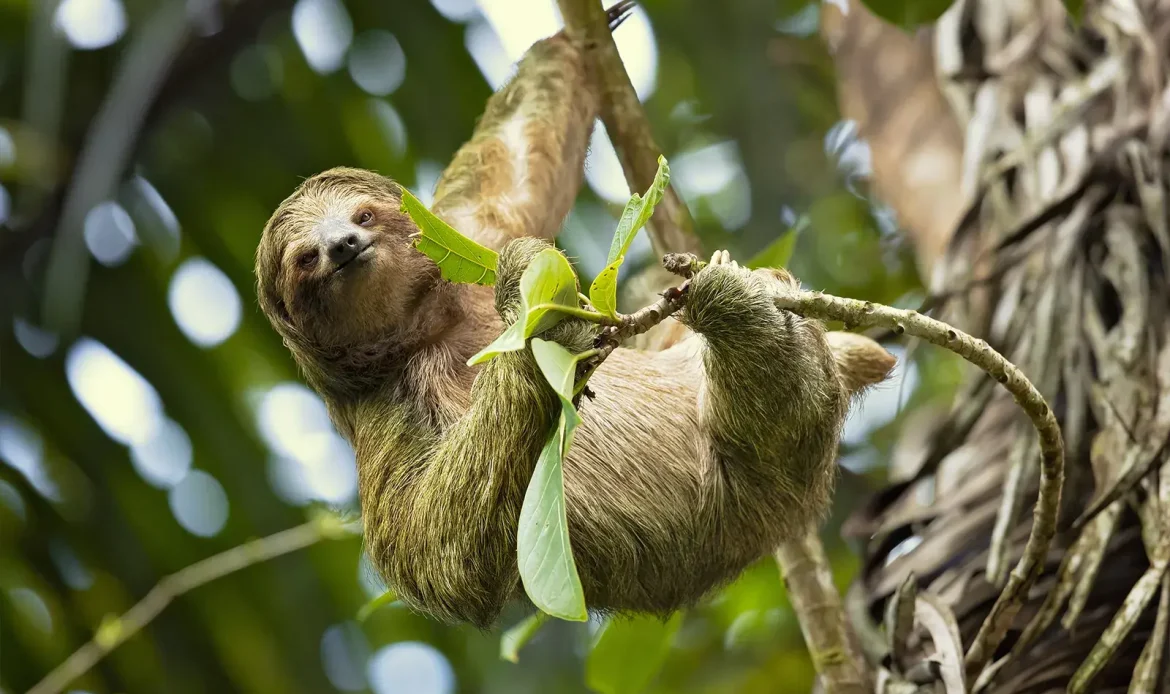
In order to protect wildlife, large landscapes, national parks, and well-known animals that are indicative of conservation programs are often thought of. However, conservation efforts can also take place in a very tiny area that is often left off the global map; most notably, the Pygmy Three-Toed Sloth (Bradypus pigmaeus) exists solely on Isla Escudo de Veraguas, which is located off of Panama’s eastern coast. The only habitat for this species is an extremely narrow band of mangrove forest.
The sloth is an incredible illustration of an endangered species that lives precariously at one small location; thus, its existence is totally dependent on that location. One example of how to conserve nature is through the protection of an ecosystem that is much smaller than others, yet provides the least amount of protection i.e., the Pygmy Three-Toed Sloth.
The responsibility to save endangered animals requires us to face the truth that any disturbance in a location where the sloth lives will ultimately jeopardize the survival of this entire species.
Table of Contents
· The entire Species Lives on One Island
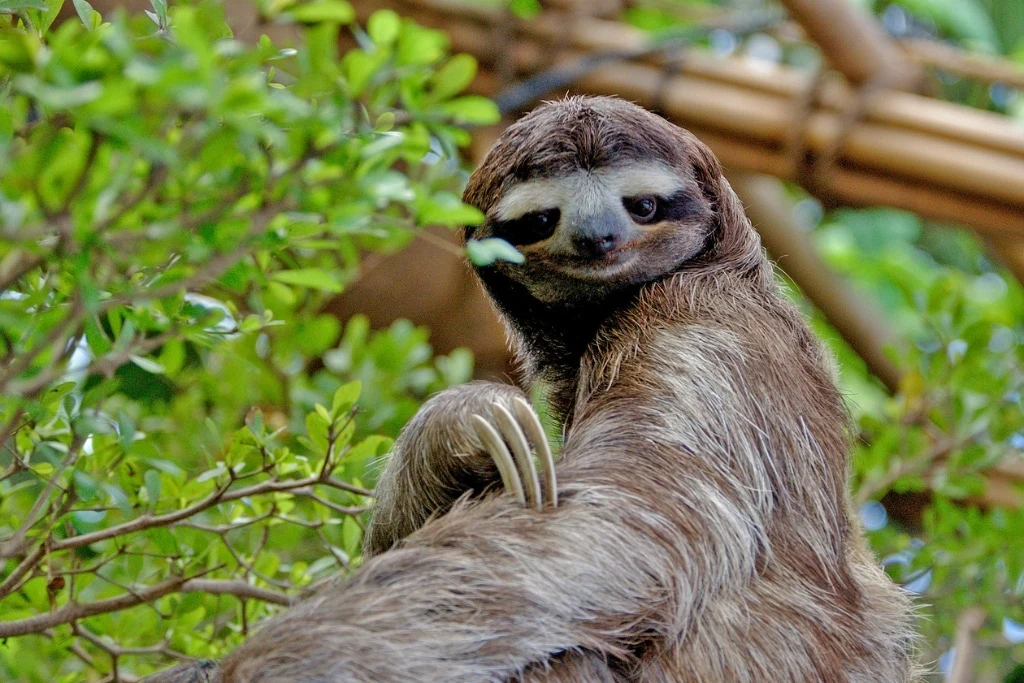
The Pygmy Three-toed Sloth is found only on Isla Escudo de Veraguas. Unlike other sloth species that live across large parts of South and Central America, this one has an extremely limited range.
This geographic isolation creates a serious challenge for wildlife conservation. When an entire species exists in one location, any environmental change has a magnified impact. To protect wildlife effectively, conservation strategies must focus not only on animals but also on the unique habitats that support them.
This single-island existence is a powerful reminder of the fragile nature of many endangered species around the world.
· Mangrove Forests Are the Sloth’s Only Home
The Pygmy Three-toed Sloth depends heavily on mangrove forests. These coastal ecosystems provide food, shelter, and protection from predators.
Mangroves are also among the most threatened ecosystems on the planet. Coastal development, pollution, and climate change continue to damage these environments. Without strong wildlife conservation measures to protect mangrove forests, the sloth’s survival becomes increasingly uncertain.
Animal extinction awareness is therefore critical to protecting ecosystems like mangroves and to save endangered animals from extinction before it is too late.
· Small Populations Are Naturally Vulnerable
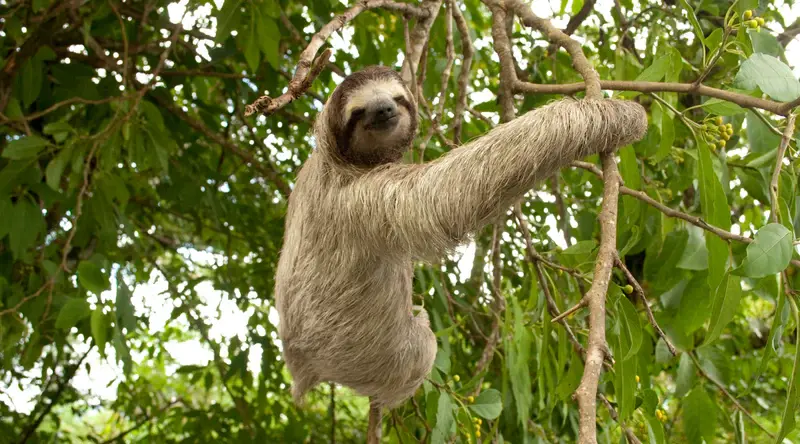
A species is at risk if its population is small, because it is subject to disease, natural disasters and genetics. Scientists estimated that there may be only a few hundred pygmy three-toed sloths. When an endangered species has a small population size, there are long-term risks associated with that. The lack of genetic diversity creates a weakness in resiliency to withstand environmental changes.
Conservation efforts to protect wildlife must monitor the population and have a means to monitor the continued stability and well-being of individual animals.
· Human Activity Reaches Even Remote Places
Isla Escudo de Veraguas is relatively remote, but it is not untouched. Fishing, tourism, and occasional development activities can disturb the island’s delicate balance.
Even small human footprints can create significant pressure on a species with such a limited range. This situation highlights the importance of responsible wildlife conservation policies that consider both ecological protection and sustainable human activity.
Through stronger animal extinction awareness, communities and visitors can better understand how their actions influence fragile ecosystems.
· Climate Change Is a Growing Threat
The effects of rising sea levels and changing weather patterns on coastal habitats will place huge stress on coastal ecosystems. In particular, mangrove forest systems are incredibly sensitive to changes in the environment and are the primary habitat for the Pygmy Three-toed Sloth.
If the mangrove ecosystem were altered as a result of climate change, it would have detrimental impacts on this endangered species, as well as many other animals that are dependent on mangrove ecosystems as their habitat.
Therefore, wildlife conservation efforts need to increasingly include climate-resilient strategies to develop adaptive capacity for vulnerable habitats.
· Conservation Requires Local and Global Cooperation
Saving the Pygmy Three-toed Sloth cannot rely solely on international conservation groups. Local communities, researchers, and government agencies must work together to ensure the island remains protected.
Successful wildlife conservation depends on collaboration. Education, sustainable practices, and policy support all contribute to long-term conservation success.
When communities become active participants in conservation, it becomes easier to save endangered animals while also supporting local livelihoods.
· Awareness Often Comes Too Late
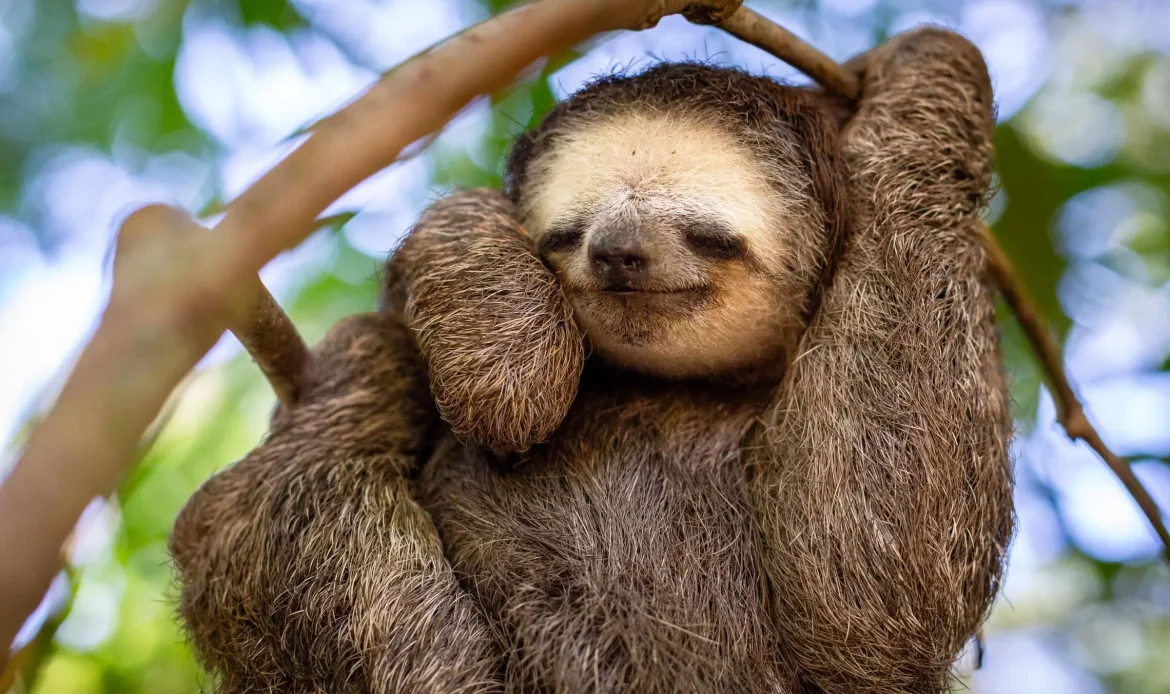
Many people have never heard of the Pygmy Three-toed Sloth. Unlike more famous animals, it rarely appears in major conservation campaigns.
This lack of visibility can slow progress in protecting the species. Strong animal extinction awareness ensures that even lesser-known species receive the attention they deserve.
If we truly want to protect wildlife, we must expand our understanding of conservation beyond the most recognizable animals.
· Every Species Matters in the Bigger Picture
Although the Pygmy Three-toed Sloth may seem like a small and isolated creature, it plays a role in maintaining the balance of its ecosystem. Sloths contribute to forest health by interacting with plants, insects, and other organisms in complex ecological relationships.
The loss of even a single endangered species can ripple through an ecosystem in unexpected ways. Conservation is not just about individual animals; it is about preserving the delicate balance of life on Earth.
Through continued wildlife conservation and growing animal extinction awareness, we can work toward a future where species like the Pygmy Three-toed Sloth continue to thrive.
Last Words of Encouragement
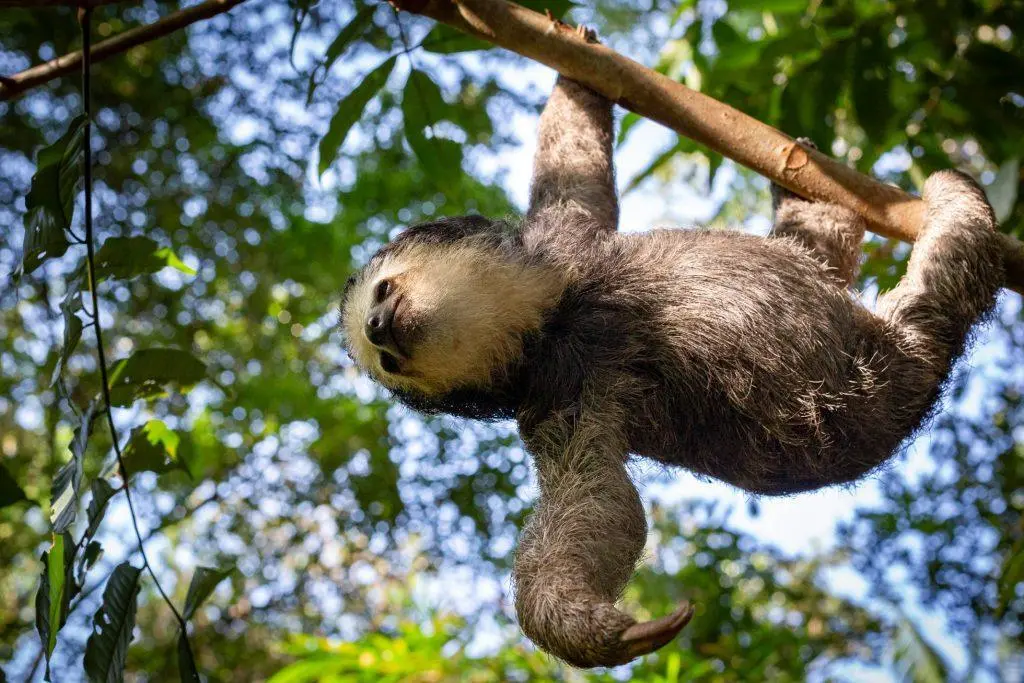
The Pygmy Three-toed Sloth reminds us that conservation does not always happen in vast wilderness areas. Sometimes it happens in the smallest places, where the survival of an endangered species depends on careful protection of a single habitat.
When we choose to protect wildlife, we are protecting the future of the planet. Through stronger wildlife conservation, growing animal extinction awareness, and continued efforts to save endangered animals, we can ensure that even the most fragile species have a chance to survive.
Every species matters to us, no matter how small its world may seem.
Frequently Asked Questions (FAQ)
Why is the Pygmy Three-toed Sloth being considered an endangered species?
The Pygmy Three-toed Sloth is classified as an endangered species because its entire population exists on one small island. Habitat loss, climate change, and human disturbance all increase the risk to its survival.
Why is it important to protect wildlife like the Pygmy Three-toed Sloth?
When we protect wildlife, we also protect ecosystems that support many other plants and animals. Species like the sloth play a role in maintaining the balance of their natural environment.
How can conservation efforts help save endangered animals?
Effective wildlife conservation includes protecting habitats, supporting scientific research, and encouraging sustainable practices. These actions help save endangered animals before their populations decline further.
What role does awareness play in conservation?
Strong animal extinction awareness encourages people to support wildlife conservation policies, protect natural habitats, and reduce activities that harm vulnerable species.
Can small conservation actions really make a difference?
Yes. Local conservation projects, education programs, and responsible tourism all contribute to efforts to protect wildlife and support long-term ecosystem health.