Endangered Species Reality in Plain Sight “Colour Meant Survival, Not Attention” 8 Blue Poison Dart Frog Wake-Ups
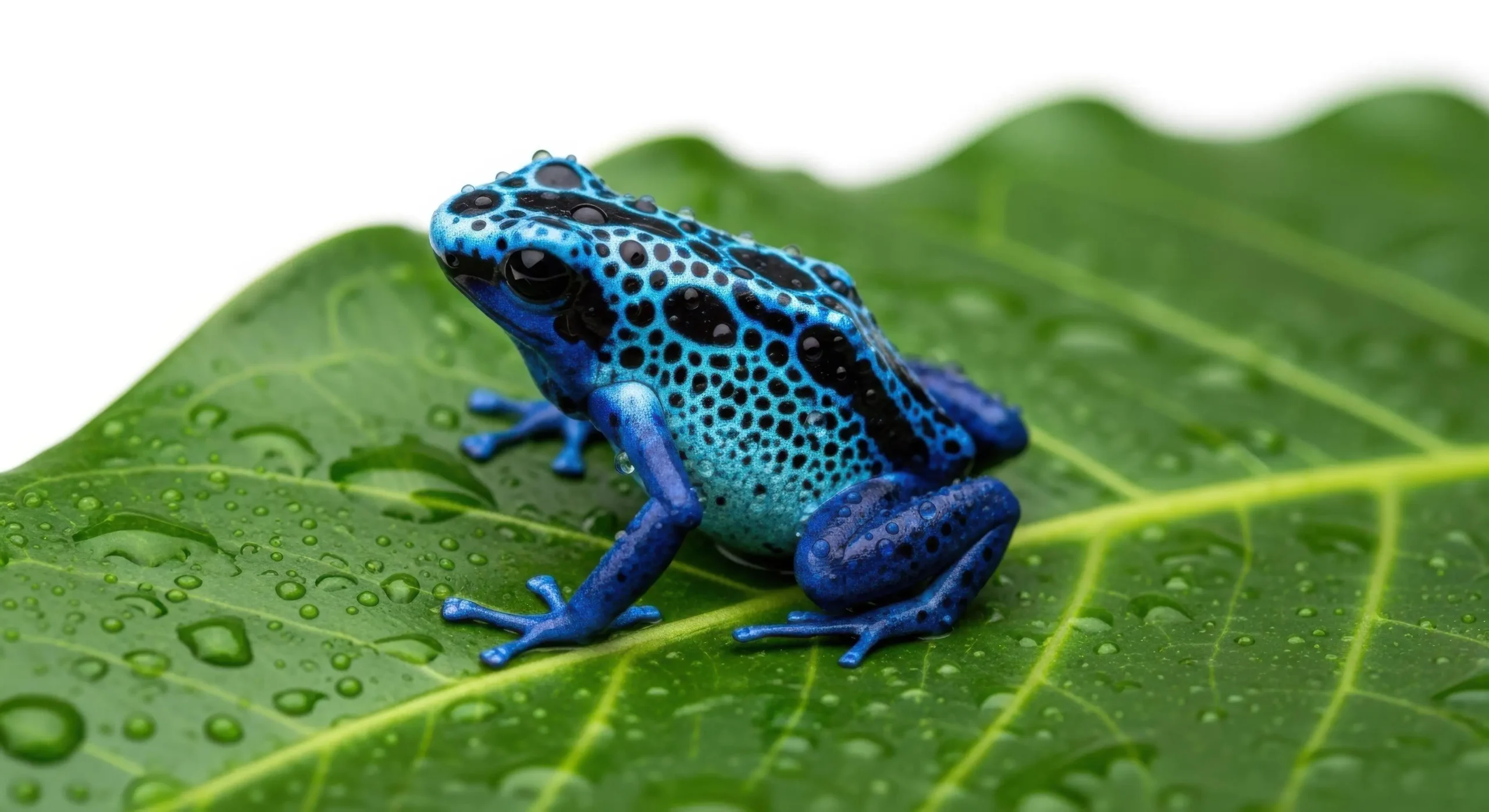
Most of our discussions about endangered species centre on large animals – dramatic rescues and very visible declines. The Blue Poison Dart Frog has rarely been part of that conversation. It is a small, colourful animal that many would overlook. Its slow disappearance is a representation of an even larger reality surrounding endangered species that is slowly unfolding deep in the tropical rainforests.
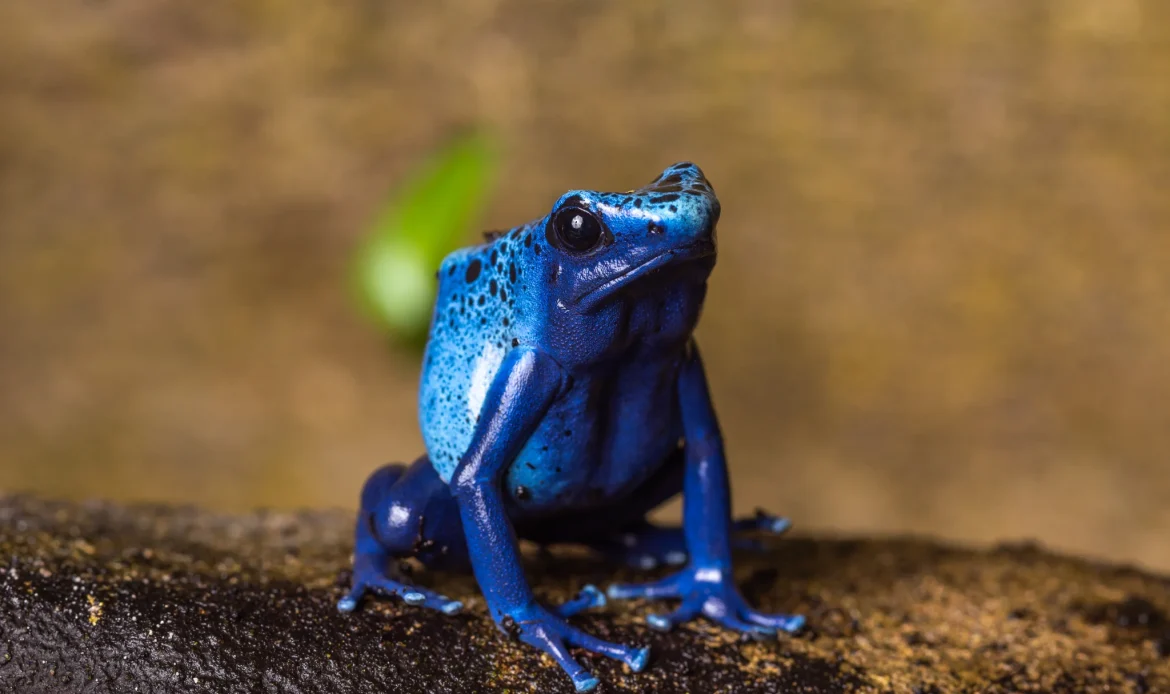
The Blue Poison Dart Frog is not designed to attract attention to itself. Its bright colour is not an indication of beauty but rather a warning. This warning is currently being ignored. If we want to protect wildlife, we must move away from the common belief that size equals importance and begin to realise that even the most “defended” species are incredibly fragile.
Table of Contents
· Bright Colours Were Never About Beauty
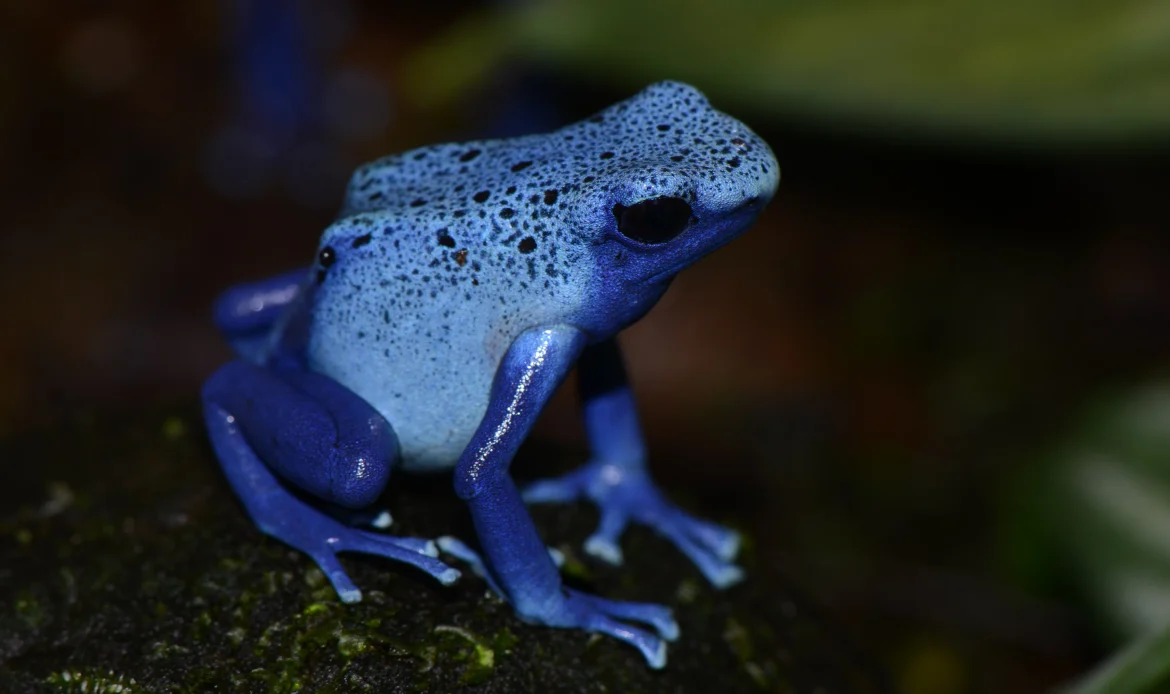
The blue poison dart frog has a very brightly-coloured skin, which it uses as a warning to potential predators that it is poisonous and deadly, and for centuries this method of evolution allowed for the survival of a species.
Colour alone cannot protect species from habitat destruction, such as the habitat of the blue poison dart frog, which is on the brink of extinction due to human pressure – demonstrating that the evolutionary benefits of an endangered species can cease to exist when human pressures come in. Conservation efforts to save endangered animals need to take into consideration contemporary threats and not just rely on ancient evolutionary mechanisms.
· Toxic Does Not Mean Untouchable
The frog’s skin poisons rely upon what it eats in the wild, as these foods come from its rainforest habitat. When its habitat is impacted, frogs are unable to get the insect foods needed for them to gather toxins. This is yet another place that wildlife conservation organizations are unable to meet their mission requirements of preserving endangered species without protecting the species’ total ecological habitat. When forests are not intact, even toxic frogs will have no way to defend themselves and will become prey.
· Habitat Loss Is the Silent Killer
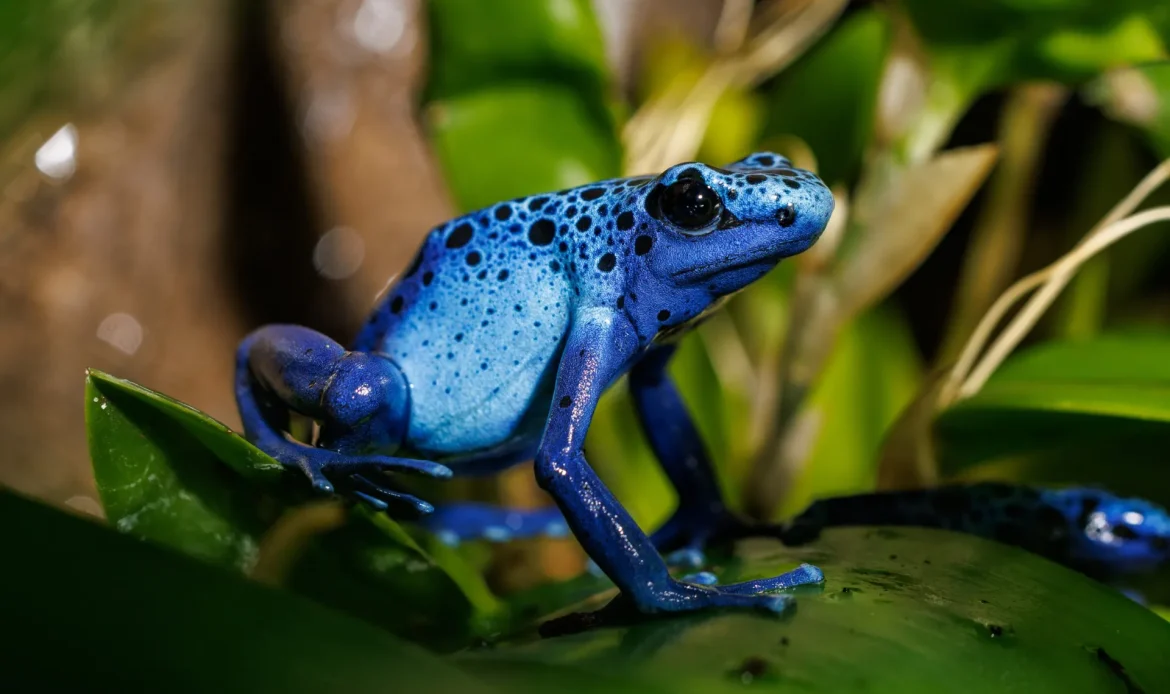
The Blue Poison Dart Frog’s natural habitat is being rapidly reduced due to illegal logging, agriculture and deforestation; these threats are all having a negative impact on the endangered species, which cannot migrate very far compared to other animals.
Because of this, there is a loss of Blue Poison Dart Frogs every time a forest patch is destroyed. For conservationists to be able to adequately protect wildlife from extinction by habitat destruction, they need to work to preserve habitats before population numbers drop too significantly to recover.
· Climate Change Is Altering Survival Conditions
Small fluctuations in temperature and moisture have an enormous impact on amphibians. The Blue Poison Dart Frog depends on a particular set of environmental circumstances to reproduce and remain alive.
This threat is rarely visible, making animal extinction awareness even more important. Changes in Climate are causing many endangered species to become less successful at reproducing due to a lack of evidence to indicate that changes have occurred. If wildlife conservation is not carried out before the changes occur, these species will continue to be lost with little or no notice.
· Illegal Wildlife Trade Still Plays a Role
The Blue Poison Dart Frog is a highly sought-after species in the illegal pet trade due to its unique beauty of the species. Taking these animals out of their natural habitats has an impact on very fragile populations; this reinforces the sad reality of having endangered species. Even species that seem plentiful can decline at an alarming rate due to increased demand for the animal combined with non-existent enforcement; therefore, to save an endangered animal, we must extend our protections beyond laws that can only save endangered animals in the wild to ensuring accountability through real-world monitoring, thus protecting these endangered species for future generations.
· Small Species Are Easier to Ignore
Conservation efforts and their related funding are often directed at larger species of mammals. Conservation funding, on the other hand, usually provides little visibility, funding, or protection for smaller species of amphibians.
This imbalance negatively affects the ability to protect wildlife within an ecosystem. The disappearance of a “small” endangered species such as the blue poison dart frog is an indicator of stress within the ecosystem, which will eventually affect larger species. The animal extinction awareness needs to extend beyond the more “common” animals to include every species, whether it is large or small.
· Amphibians Are Environmental Indicators
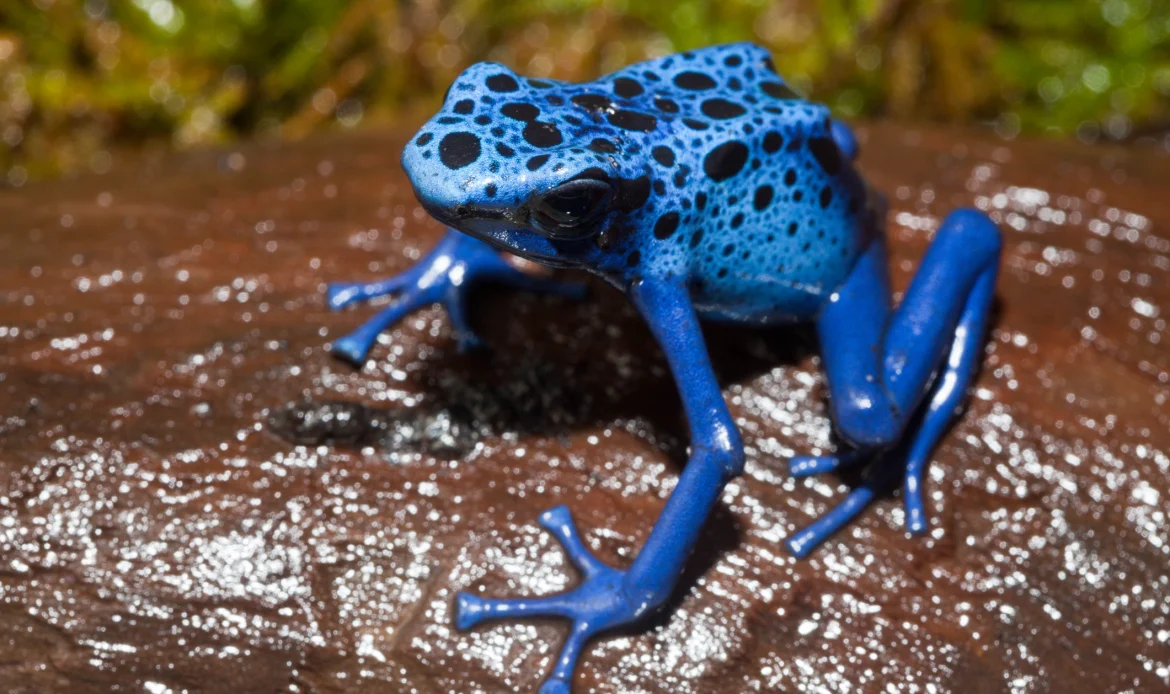
Because frogs provide us with significant insight into an ecosystem’s health, the decline of the amphibians can be the “canary in the coal mine”. In addition to indicating the presence of pollution, disease and instabilities associated with climate change, the decline in amphibians can have severe ramifications if ignored and placing them in an endangered species category.
Once frogs are lost, it will be evident that the ecosystem has been negatively impacted significantly. Therefore, conservation efforts for wildlife conservation since they can be an early warning system rather than an afterthought.
· Losing One Species Weakens the Whole System
The Blue Poison Dart Frog’s role in controlling the numbers of insects and maintaining a healthy ecosystem is being compromised by their extinction. The extinction of the Blue Poison Dart Frog will have major impacts on food chains and on the balance of the rainforest.
This is just the first step towards understanding how important it is to save endangered animals. The goal of conservation must be to provide more than just temporary safety for endangered animals, but to provide for the long-term stability of the entire ecosystem.
Why the Blue Poison Dart Frog Still Matters
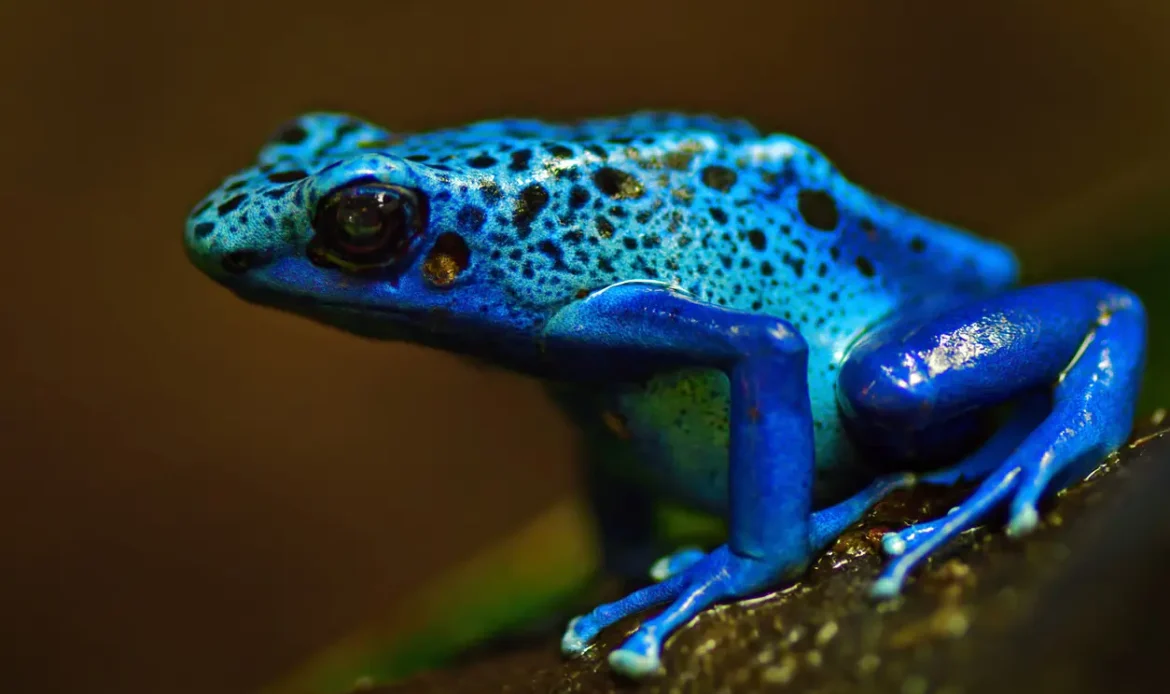
The Blue Poison Dart Frog serves as a reminder that extinction can occur without noise, but instead a silent extinction where vibrant-coloured creatures inhabit ever-shrinking forests. Recognizing this reality can redefine our notion of urgency, as humans are creating an entirely different way to evaluate urgency through the lens of the Blue Poison Dart Frog’s endangerment.
To protect wildlife, we must give notice to those endangered species that are not demanding to be noticed. To save endangered animals before their populations collapse requires the ability to identify their level of vulnerability prior to being faced with the prospect of extinction.
Last Words of Encouragement
In order to save endangered animals, we must look at more than exceptional size, beauty, or familiarity. The Blue Poison Dart Frog illustrates how the visual signals of survival can diminish even if the colour is present. The reality of the endangered species crisis generates a need for stronger wildlife conservation initiatives to increase awareness of animal extinctions on a greater scale and a continuing dedication to protect wildlife at all levels.
Choosing to take action with foresight protects not only one endangered species but also the ecosystem that supports life.
(FAQ)
1. Why is the Blue Poison Dart Frog considered an endangered species?
The frog faces habitat loss, climate sensitivity, and illegal collection, all of which contribute to its endangered species status. These pressures highlight a broader endangered species reality affecting many amphibians.
2. Why doesn’t its toxic skin protect it from extinction?
Toxicity only deters predators. It does not protect against deforestation, climate change, or habitat fragmentation. Effective wildlife conservation efforts must address human-driven threats.
3. Why is animal extinction awareness important for small species?
Strong animal extinction awareness ensures that small, overlooked species receive attention before their decline becomes irreversible.
4. How does protecting frogs help protect wildlife overall?
Frogs act as environmental indicators. Protecting them helps maintain ecosystem balance and strengthens efforts to protect wildlife across entire habitats.
5. Can conservation still save endangered animals like this frog?
Yes, targeted habitat protection, stricter trade enforcement, and climate-focused strategies can still save endangered animals like the Blue Poison Dart Frog.