
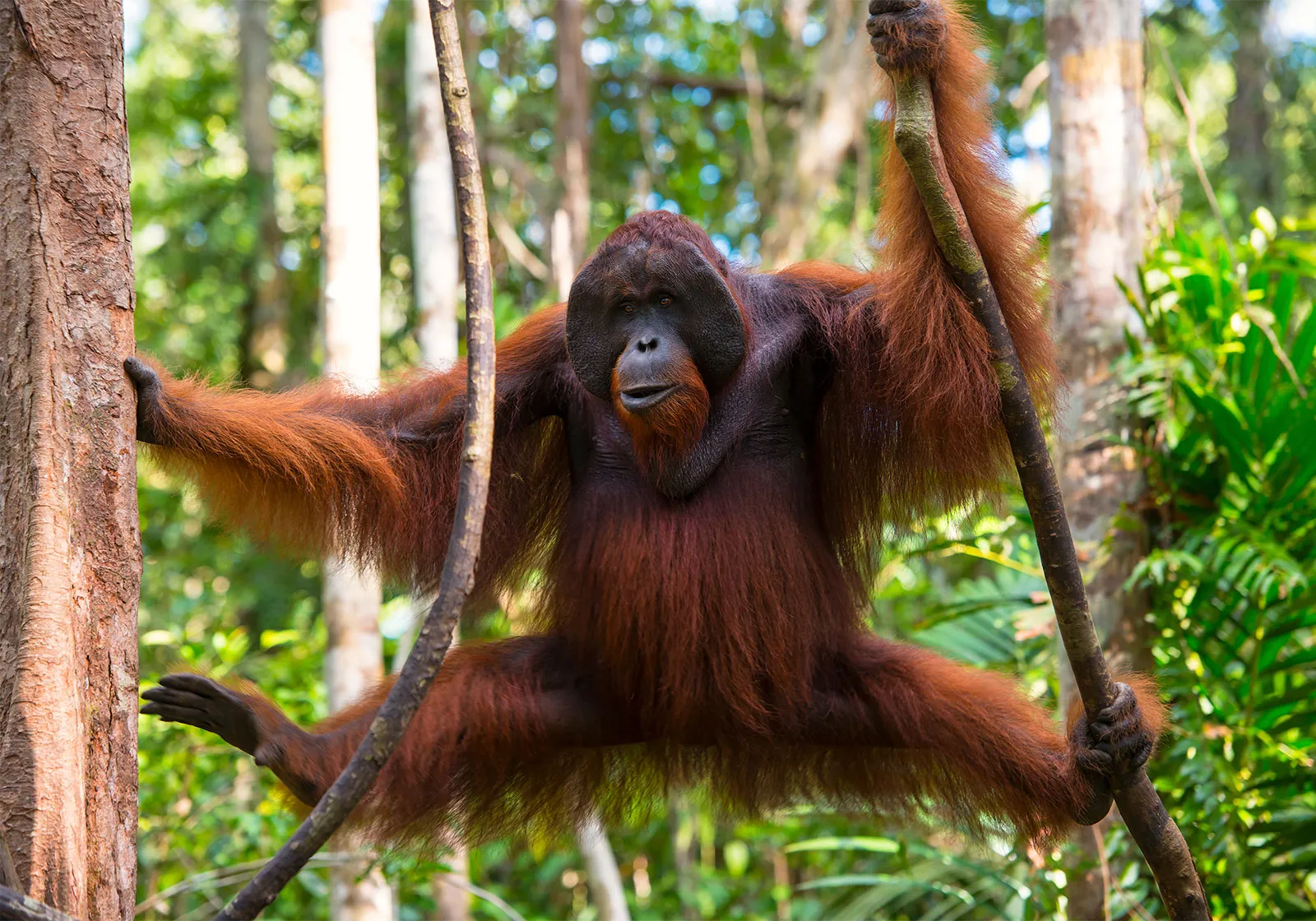
Save Endangered Animals “Vanishing with the Forests”: 9 Bornean Orangutan Survival Warnings
Natural causes are not causing the Bornean Orangutan to go extinct. To save endangered animals, the first step is to accept the harsh reality of their extinction – they are being removed from their natural habitat faster than human beings can help them. The Borneo orangutan has come to represent the current plight of many endangered species as well: smart, slow-reproducing animals are being pushed to their extinction because of human decisions. To have a true animal extension awareness of what the Bornean orangutan’s existence means, we need to know the risks that threaten them and support long-term wildlife conservation efforts.
Table of Contents
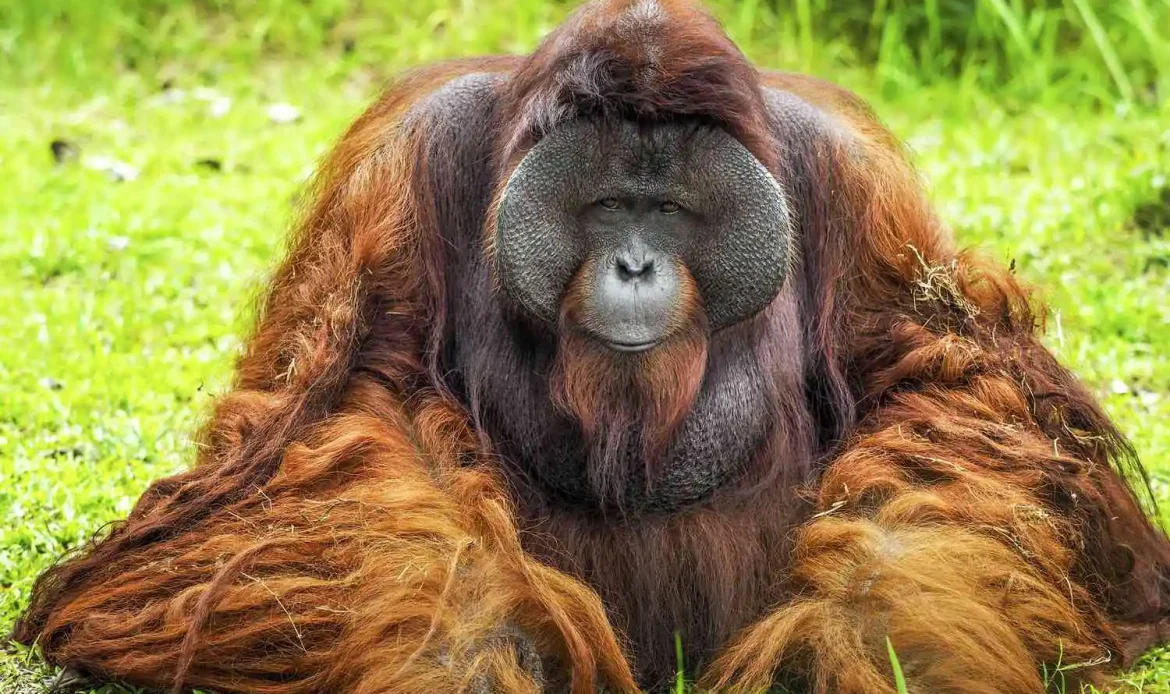
1. Deforestation Is Destroying Their Only Home
The tropical rainforest is where the Bornean Orangutan lives and exclusively relies on it for its habitat. The canopy of these tropical rainforests provides the Bornean Orangutan with food, shelter, and safe passageways. Unfortunately, significant portions of tropical rainforest are being destroyed every year to create new palm oil plantations, logging sites, mining operations, etc. The continuous deforestation and habitat loss of these tropical rainforests leave orangutans without any viable habitat alternatives.
The most significant step we can take to save endangered animals such as the Bornean Orangutan is to prioritize forest conservation over short-term financial benefit. This element of the endangered species crisis is perhaps the most easily recognizable at this time.
2. Fragmented Forests Increase Daily Survival Risks
Fragmentation of fragmented forests leads to serious problems for the orangutan due to the fact that orangutans are not ground-dwelling animals and as a result, when a tree is removed, the orangutan has to come down out of the tree, thereby being exposed to danger and/or conflict and injury of some kind.
When a forest is fragmented, it creates a weak, fragmented wildlife conservation effort and makes it very difficult for the orangutan species to recover. The presence of continuous forests is the key to preventing deforestation and habitat loss, while helping to recover the orangutan population from the brink of extinction.
3. Slow Reproduction Leaves No Room for Error
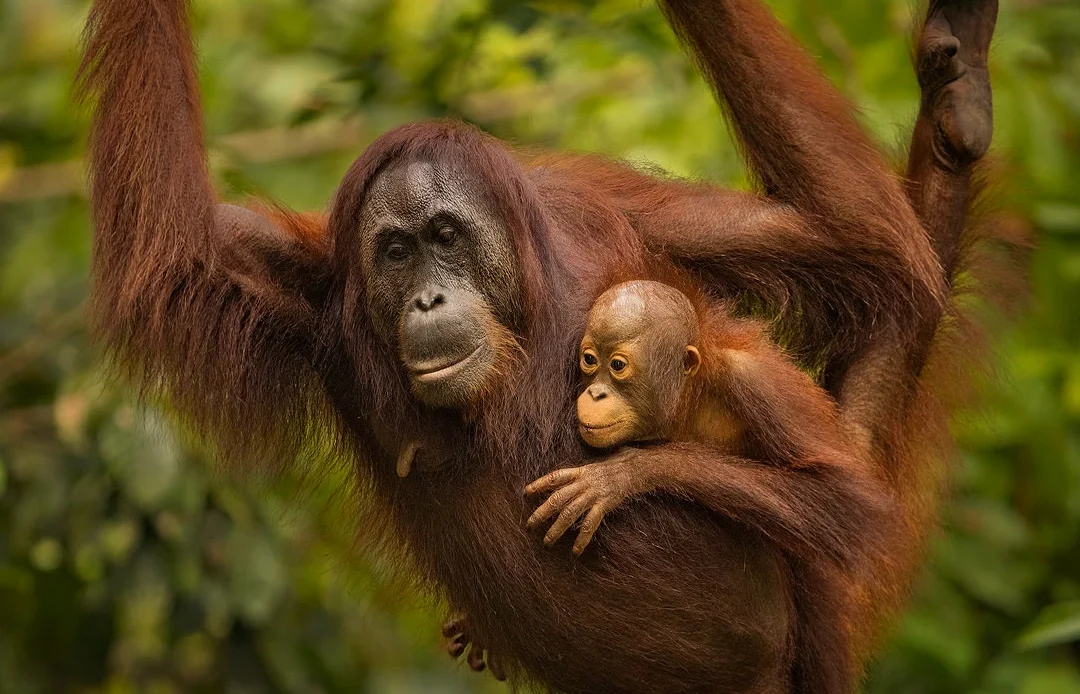
Bornean female orangutans bear their offspring only one time every 6 – 8 years. Therefore, they cannot reproduce rapidly enough to recover quickly from losses in their population.
This biological fact helps to demonstrate why endangered species are in such a serious situation. The effect of the loss of one orangutan may continue to last for many years; therefore, raising animal extinction awareness as a consequence of this loss is an important step to save endangered animals.
4. Human–Wildlife Conflict Is Becoming More Common
Because there are fewer forests, orangutans have to leave their forest homes and go into farm fields or plantations looking for food. When these two types of land come together, these types of encounters usually end badly for the orangutan because the orangutan is killed or hurt.
These types of encounters didn’t happen by accident; they happened because of deforestation and habitat loss. To reduce these types of encounters, we need better wildlife conservation efforts, but also, we will have to have a better land use plan that will allow both humans and wildlife to live side by side peacefully.
5. Illegal Activities Undermine Protection Laws
Despite the presence of legal protections, illegal logging and land clearing are still occurring throughout Borneo. Weak enforcement allows for erosion of the habitat to continue with no consequences.
This gap between law and actual conditions results in a painful reality for endangered species. Paper protections will not save endangered animals unless they are consistently enforced and enacted with community support.
6. Climate Change Is Making Forests Less Stable
Climate change amplifies current challenges. Longer droughts and warmer temperatures increase the chance of devastating forest fires that can wipe out thousands of hectares of orangutan home in just days.
The result will create more deforestation and habitat loss and will set back many years of wildlife conservation. Climate resilience must be included in all serious conservation plans to save endangered animals.
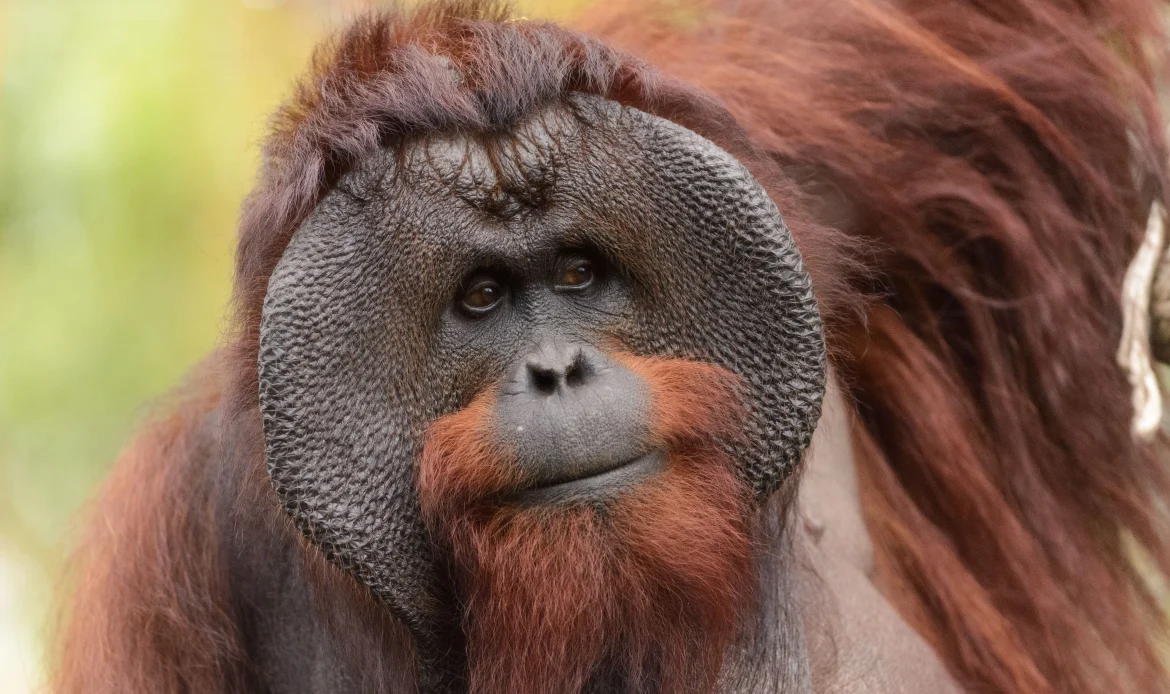
7. Orangutans Play a Vital Role in Forest Health
Bornean orangutans are important in terms of being seed dispersers, as they are responsible for distributing seeds throughout the rainforest, which will allow trees to regenerate and increase the biodiversity of the forest.
If we lose orangutans, we will lose entire ecosystems. Because of this, efforts to raise animal extinction awareness should not only focus on protecting animal species, but also should work towards protecting the ecosystems that rely on the species. The decline of the population of orangutans reflects an even greater reality of endangered species affecting rainforests across the globe.
8. Awareness Exists, but Action Is Still Limited
Most people are aware that orangutans are an endangered species, but awareness generally ends with being concerned. There are significant funding shortfalls, poor policies, and delayed action that all impede progress.
To save endangered animals, awareness must transition from a state of concern to taking action. The only way to transform sympathy into genuine progress is through supporting legitimate wildlife conservation efforts.
9. Recovery Is Still Possible, but Time Is Short
Success is possible, even with all of the hazards; examples of success can be found with community involvement, rehabilitation programs, and conserving/protecting forests, which have improved stability for some threatened and endangered species.
The success of these examples shows that the current situation regarding threatened and endangered species is not set in stone; by reducing deforestation and habitat loss as well as implementing long-term conservation efforts, we can provide a viable future for Bornean Orangutans.
Why the Bornean Orangutan’s Survival Matters?
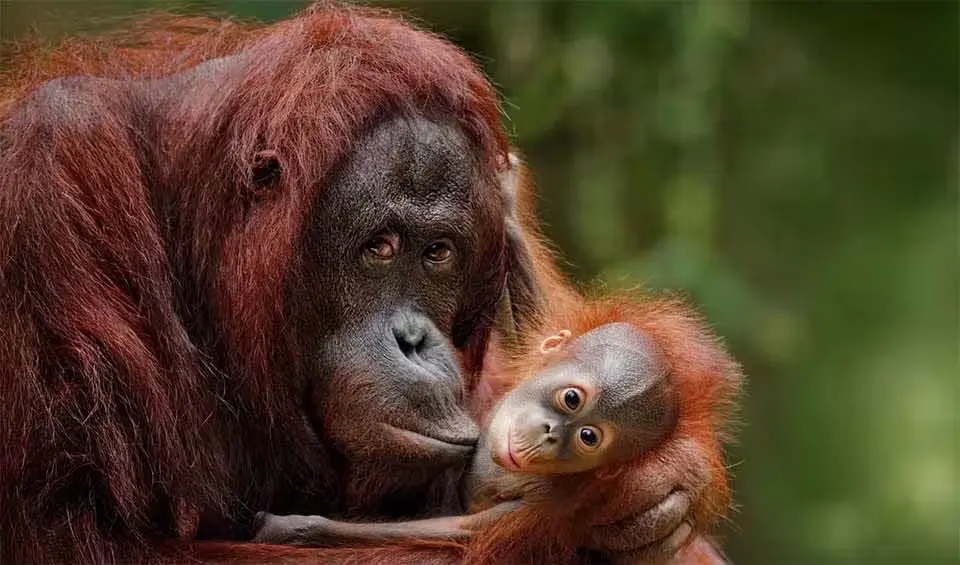
Bornean orangutans are dependent on healthy tropical forest ecosystems as well as global biodiversity. When tropical forests are lost, climate stability is compromised, and many different species are impacted by that loss.
In order to save endangered animals, we must understand that protecting orangutans means we are also protecting ecosystems, people’s ways of life, and the balance of nature on our planet. This is the basis of effective animal extinction awareness.
Last Words of Encouragement
While the future of the Bornean orangutan has yet to be determined, the final outcome will depend on some of the choices we make today. We can create a new ending by supporting ethical practices, supporting strong wildlife conservation initiatives, and taking action against deforestation and habitat loss.
The sad reality of endangered species may seem hopeless; however, by taking action, we can change that reality into something much different. Choosing to save endangered animals is choosing to protect a future for trees to live and wildlife to thrive.
(FAQ)
· Why is the Bornean Orangutan endangered?
Major reasons include deforestation and habitat loss, human conflict, illegal activities and climate-driven forest fires, all part of the current realities affecting endangered species today.
· How does forest loss affect orangutans directly?
With the loss of forests, orangutans lose sources of food, shelter and safe pathways, and thus their ability to survive is impaired dramatically, leading to increased conflict with humans.
· Do conservation efforts actually help?
Yes! Wildlife conservationthrough targeted efforts directed toward habitat protection and rehabilitation has been shown to positively impact wildlife populations if supported effectively.
· What can individuals do to help?
Individuals can be of assistance by supporting responsible businesses, donating to wildlife conservation organisations and raising animal extinction awareness through education and advocacy campaigns.
· Is it too late to save the Bornean Orangutans?
Not yet; however, time is running out. Decreasing the amount of deforestation and habitat loss will still have an important effect on our environment. If we raise animal extinction awareness among people, then there is still hope for the Bornean Orangutans.