Endangered Species Reality of “Grace on the Edge” 9 Red-crowned Crane Warnings We Can’t Ignore
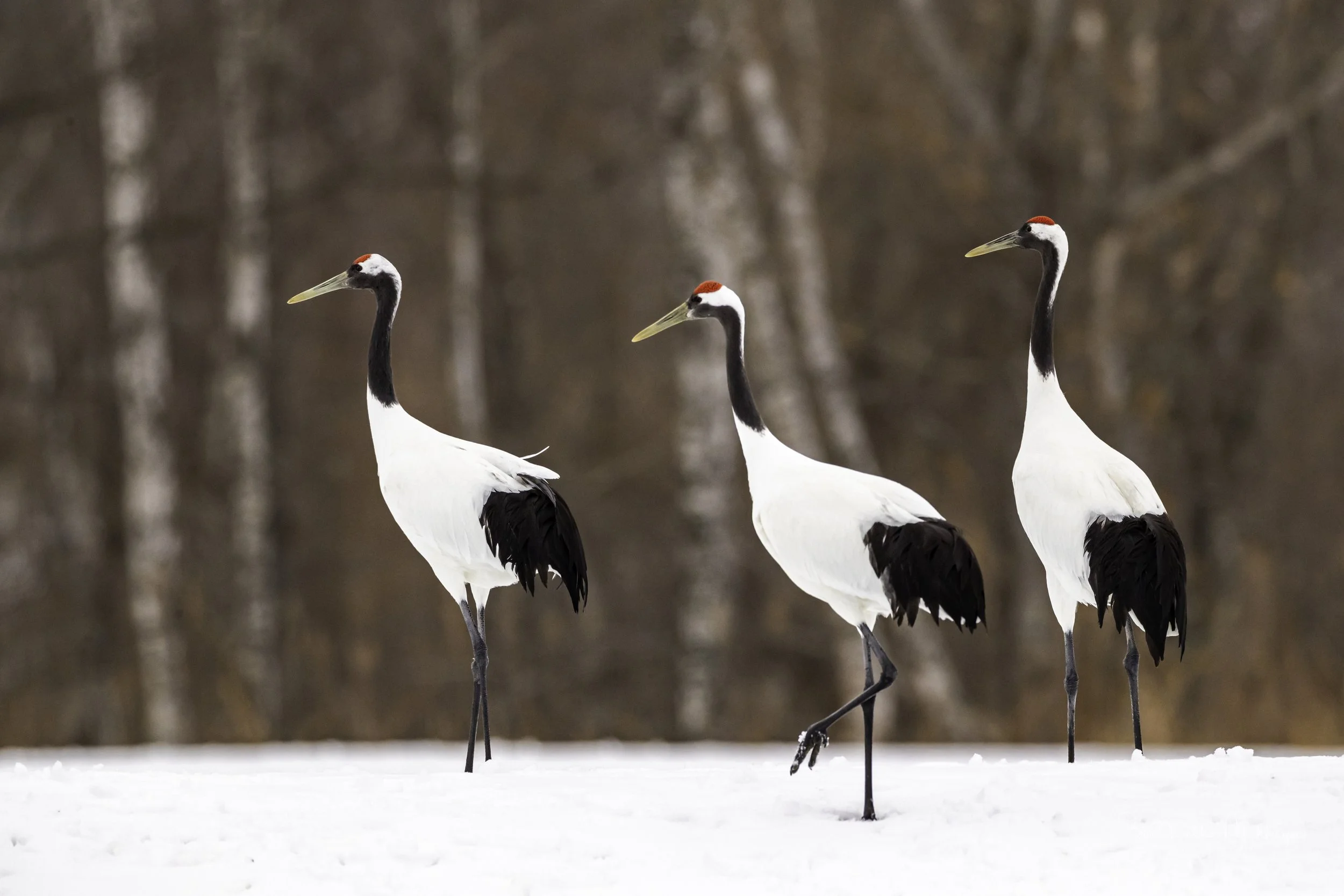
The Red-crowned Crane (Grus japonensis) has been viewed as an endangered species for a long time and the reality surrounding it is dire. This majestic bird used to be highly valued throughout Asia for its beauty and symbolism. However, it is currently listed as Endangered and is struggling to survive. There are several reasons for this decline, including wetland habitat loss, industrial pollution and other human-related issues, making it imperative that we do what we can to save this amazing species and protect wildlife across the globe and strengthen wildlife conservation efforts. Understanding the plight of this species not only builds bird extinction awareness but also demonstrates how fragile our ecosystems are when we fail to act.
Table of Contents
1. Wetland Habitat Loss Threatens Their Survival
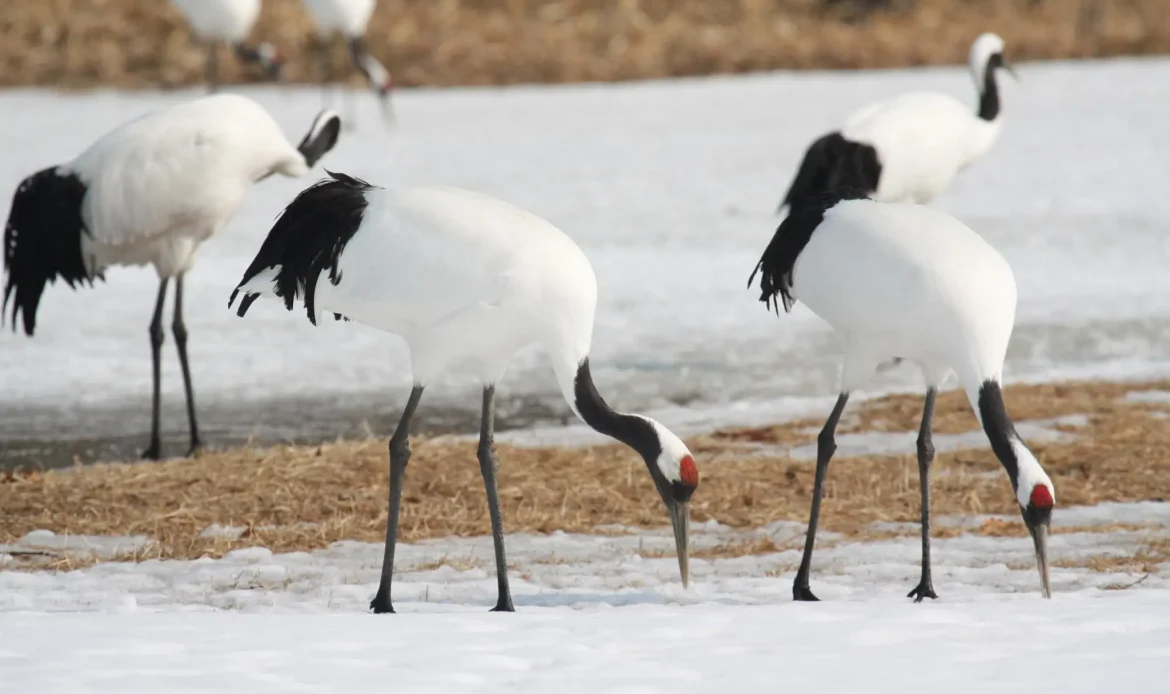
Wetlands are vitally needed by Red-crowned Cranes to nest, feed and rest on migratory routes. As wetlands continue to be lost at a rapid rate through agriculture, urbanization and industrial development, this ongoing wetland habitat loss for Red-crowned Cranes is resulting in the fragmentation of the birds’ habitat and forcing them into smaller and smaller areas where the possibility of survival is continuing to diminish.
Key impacts of wetland loss include:
- Reduced availability of breeding areas
- Limited availability of food.
- Increased interaction of cranes with humans
Wetland protection is one of the key components of the endangered species crisis and is an essential part of the wildlife conservation efforts that are undertaken successfully.
2. Fragmented Habitats Disrupt Migration Patterns
Red-crowned Cranes migrate hundreds of kilometres to migrate between their breeding and wintering areas. With the fragmentation caused by roads, power lines, and urban sprawl, movements between their breeding and wintering sites have been interrupted, leaving cranes extremely exposed to both environmental hazards and predators. To protect wildlife, one of the best measures is to have wetlands that are connected. The fragmentation of habitats threatens both crane populations, as well as highlights the stark reality of endangered species – that survival through migration is no longer guaranteed.
3. Human Disturbance Reduces Breeding Success
Due to human activity such as tourism, watercraft operation, and industrial sounds occurring in proximity to nesting sites, birds encounter stress, which can negatively impact their reproductive success. Disturbed birds may abandon their nests, leading to fewer chicks reaching maturity.
Here is where it is important to increase bird extinction awareness. Through an understanding of how seemingly benign human activities impact birds, communities can help support wildlife conservation by taking concrete actions such as designating quiet areas near nesting sites.
4. Pollution Weakens Crane Populations
Wetlands provide critical habitat for the Red-crowned Crane, and pollutants (i.e., pesticides, industrial discharge, plastics) negatively affect their quality. These contaminants build up in the food web, resulting in diminished health of adult cranes and fewer chicks surviving.
It is critical to deal with pollution to help preserve wildlife and support wildlife conservation efforts. If pollution is not addressed, we will continue to lose endangered species at an accelerating rate, and the cranes are no exception.
5. Climate Change Alters Wetlands and Breeding Conditions
Global warming leads to altered precipitation and wetland water levels through altered precipitation as a result of climate change. Breeding cycles are disrupted when their nests are flooded or when they do not get food during drought-like conditions.
Knowledge of these climate changes is key for effective wildlife conservation and educating the public helps reduce the risk of extinction for this endangered species. Crane populations will likely struggle to adapt quickly to the rate of change in their environments without assistance.
6. Small Populations Increase Vulnerability
The Red-crowned Crane is facing a genetic bottleneck and therefore has increased susceptibility to disease and restrictions on adaptability to future environmental changes due to the reduced number of birds in the population.
All endangered species, including the Red-crowned Crane, need to be considered from a conservation perspective in terms of their genetic diversity as well as their numbers. To successfully achieve long-term conservation through proper wildlife conservation, we must begin looking at population size as well as genetic diversity to achieve long-term success in maintaining all endangered species.
7. Cultural Protection Has Diminished
For centuries, various Asian cultures have held the Red-crowned Crane to be a sign of longevity and good luck. However, the rapid development of cities and changing values throughout the past century have reduced or destroyed the cultural reverence these communities once held for the crane.
Restoring respect for cultures can be an effective means of wildlife conservation. When you educate people about what various species represent culturally and ecologically. The bird extinction awareness will increase and their motivation to protect wildlife will improve.
8. Community Involvement Is Key
While protected areas have an important role in preserving Red-crowned Cranes, local communities that live adjacent to crane habitats also play a significant part in maintaining wetland areas through sustainable use of natural resources and reducing the likelihood of illegal activities occurring. Sustainable practices such as regulated fishing, ecotourism, and habitat monitoring can all help reduce human pressure on fragile wetlands.
Community engagement is necessary for successful wildlife conservation. It will also address the many causes of wetland habitat loss by providing long-term solutions that will lead to greater protection of these habitats.
9. Awareness Without Action Is Useless
The Red-crowned Crane is well known as an endangered species, but just being aware that they are endangered does not help to reverse the downward trend of numbers. We must take action to support policy options that protect their habitat and take part in conservation efforts to help save the Red-crowned Crane.
The facts are that without putting any effort into saving these birds, there is no real way to help with their endangered status. The best way to help protect wildlife and move forward with bird extinction awareness is to get involved with Conservation Programs.
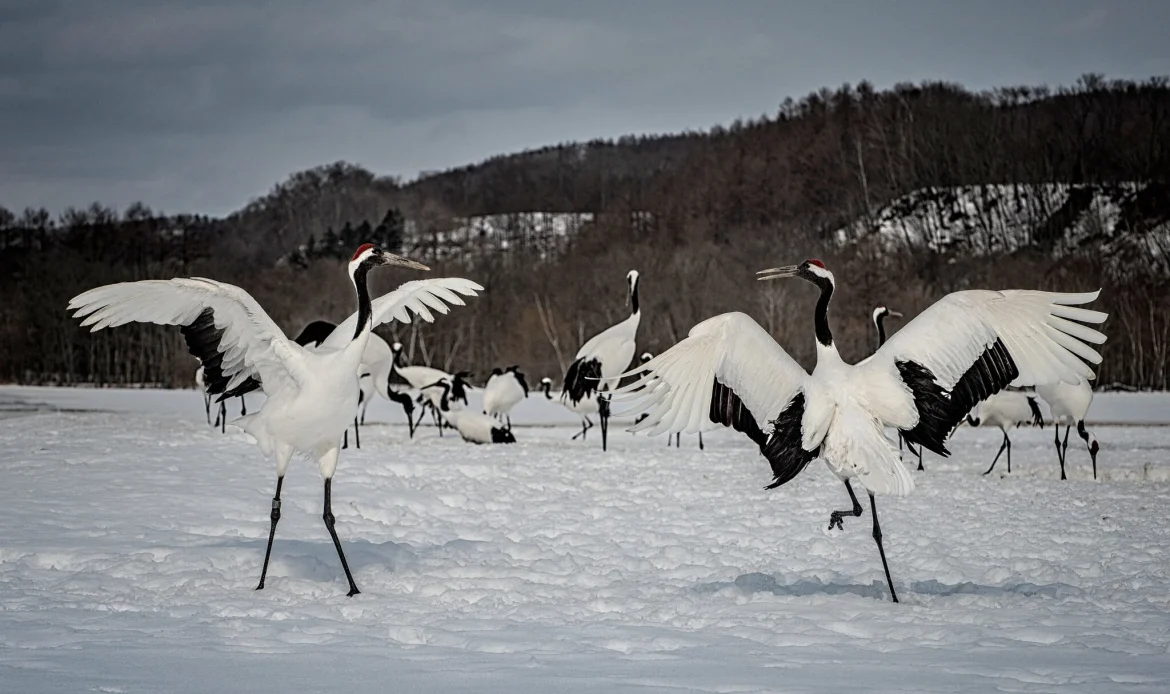
Why does the Red-crowned Crane’s Survival Matter?
A Red-crowned Crane is also an indicator of how healthy the wetland ecosystem is. Because of this, there are larger environmental issues affecting many species that can be traced back to the wetland habitat loss, as well as the many conservation programs that are in place to protect wildlife. If we are able to help provide protection for the Red-crowned Crane, then we can help other endangered species by assisting with the wetlands they depend on.
Important findings:
- Protecting wetlands will ensure the Red-crowned Crane survives.
- The involvement of local communities continues to magnify the results of conservation efforts.
- Immediate action must be taken to address pollution and climate change.
- Increasing awareness regarding bird extinction issues can lead to a change in policies and behaviour.
Last Words of Encouragement
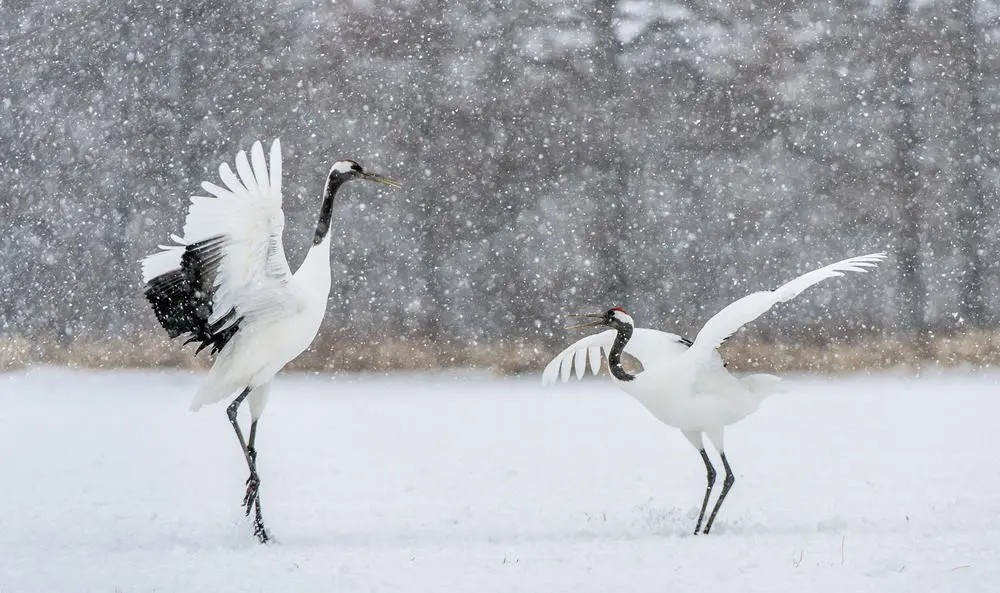
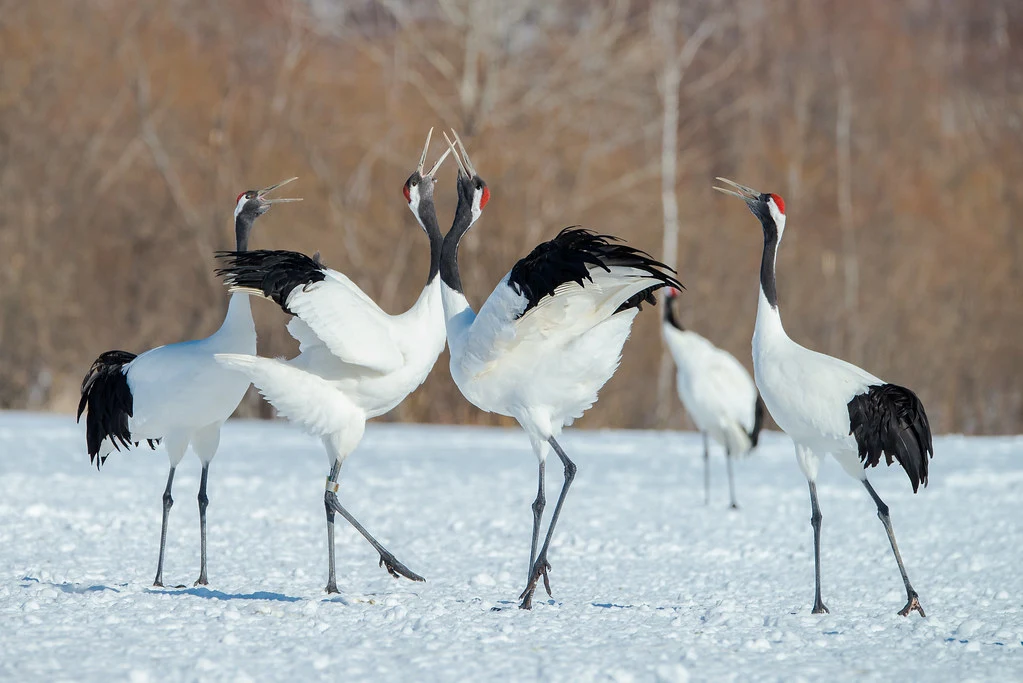
Today’s Red-Crowned Crane is still performing its majestic dance in the wetlands, but depending on our actions, it may not be around much longer. We can help this endangered Red-Crowned Crane and its habitat through our understanding of the real situation of endangered species and through our active involvement in wildlife conservation.
We can create hope for recovery through our efforts, no matter how large or small, by protecting a wetland area, supporting responsible policies, or supporting the wildlife conservation movement. Bird extinction awareness is important and we hope wetland habitat loss does not determine the fate of this majestic species.
(FAQ)
· What are the main reasons for the decline of the Red-Crowned Crane population?
The Red-Crowned Crane is presently in danger as a result of several causes, which include: wetland habitat loss, pollution, human disruption, and climate change. These facts depict the reality of many other endangered species.
· How does the loss of wetlands impact the crane population?
Wetlands are essential to Cranes for food production, nesting, and migration. By protecting wetlands, we can protect wildlife habitats and support wildlife conservation work.
· How can local people have an impact on improving wildlife?
Local efforts to protect the environment, create sustainable jobs, and monitor wildlife are necessary for improving wildlife conservation. These areas will be improved with the local populace’s contribution to the increase in bird extinction awareness.
· How can individuals support the conservation of cranes and endangered species?
Through support of wildlife conservation organizations, reduction of pollution, and creation of awareness of the importance of wildlife conservation, all individuals can help protect wildlife and the ecosystems which sustain them.
· Why is it so important to work with just one endangered species?
The Red-Crowned Crane is considered a keystone Species, which is an indicator species of wetland health. Through examining its threats, a closer examination of many other important ecological threats will occur, and this will help us understand the plight of many other endangered species.