Save Marine Life “On the Edge” 9 Stark Reasons the Southern Sea Otter Is Fighting to Survive
Save marine life has gone beyond becoming a catch phrase or something that is mentioned once a year for ocean conservation campaigns; now it is part of our daily lives in light of the Southern Sea Otter’s fragile future. The focus on endangered species has become more pronounced and the Southern Sea Otter is just one small marine mammal that has proven extremely powerful in showing humanity that we are losing this delicate balance in our oceans. The story of the Southern Sea Otter is much more than a conservation story; it is a clarion call for humanity to be more open to animal extinction awareness and to take action to protect wildlife before we replace it all with silence at the depths of our oceans.
The Southern Sea Otter has made a fragile recovery since being hunted to near extinction, but continues to be on the brink of extinction, due to the many invisible threats that go unnoticed by the general public.
Table of Contents
1. A Keystone Species Holding the Ocean Together
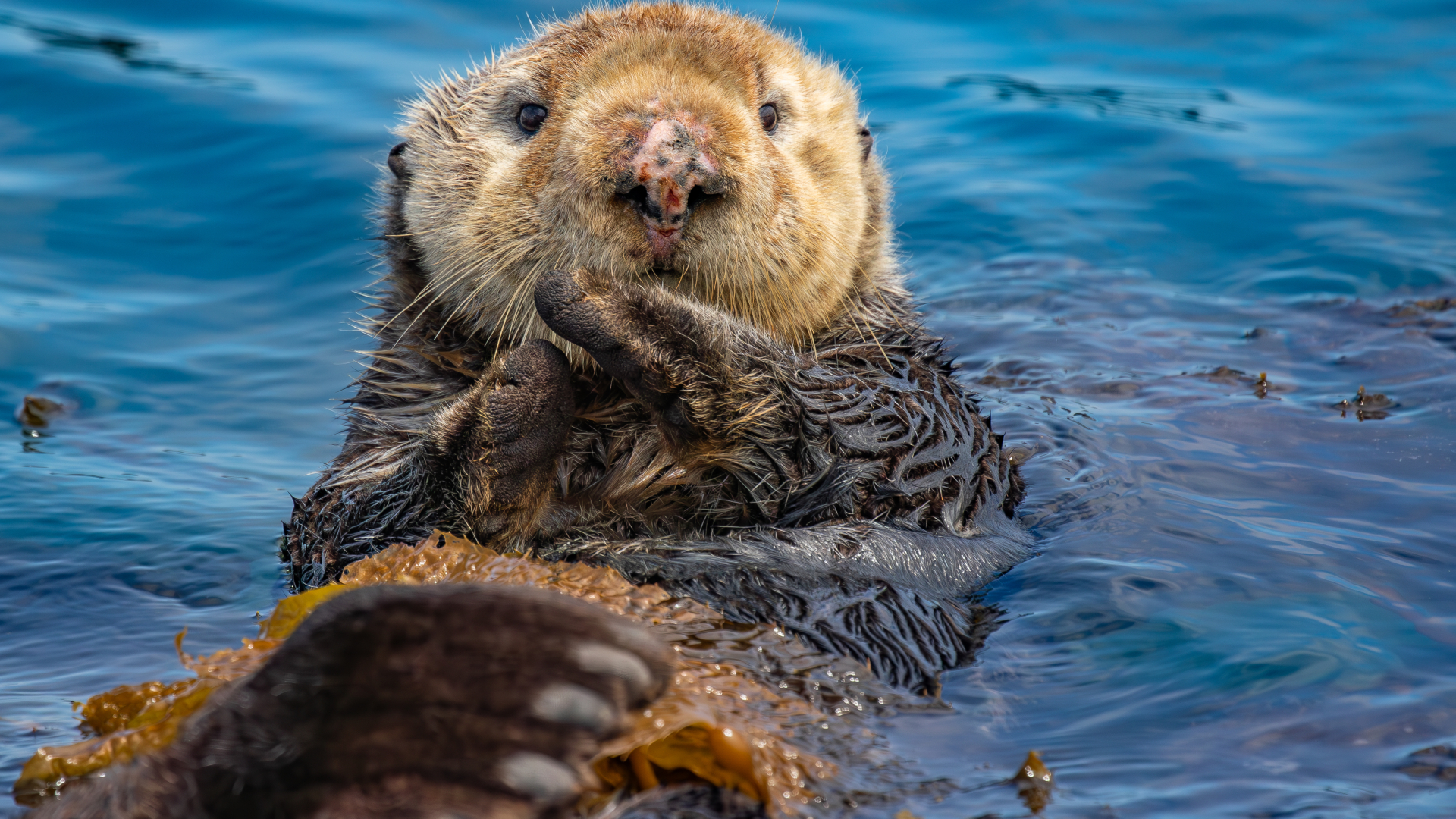
Southern Sea Otters serve as a keystone species, which means when their population goes down, so does their ability to keep up with other marine organism populations in the ecosystem(s) that they inhabit. The Southern Sea Otter feeds on Sea Urchin populations, thus allowing Kelp Forests to be maintained at healthy levels so that they have room to shelter a lot of different species of Marine Life.
When the Southern Sea Otter’s population goes down, there is an overproduction of Sea Urchins that eat away at the Kelp Forests, creating a chain reaction that can threaten fish, birds and coastal protection. If we want to save marine life, we have to find ways to conserve the keystone species of the Ocean including the Southern Sea Otters.
2. Oil Spills Remain a Silent Killer
Southern sea otters have thick fur for warmth instead of relying on body fat like most marine species. This leaves them susceptible to oil spills. Oil spills can destroy the insulating ability of an otter’s coat, causing death from hypothermia or death from the effects of ingesting the oil, which creates a deadly combination.
Oil pollution is just one way that humans affect endangered species living along our coasts. Each oil spill emphasizes the need for stricter laws and regulations to help protect wildlife before it is too late.
3. Fishing Gear Entanglement Is Increasing
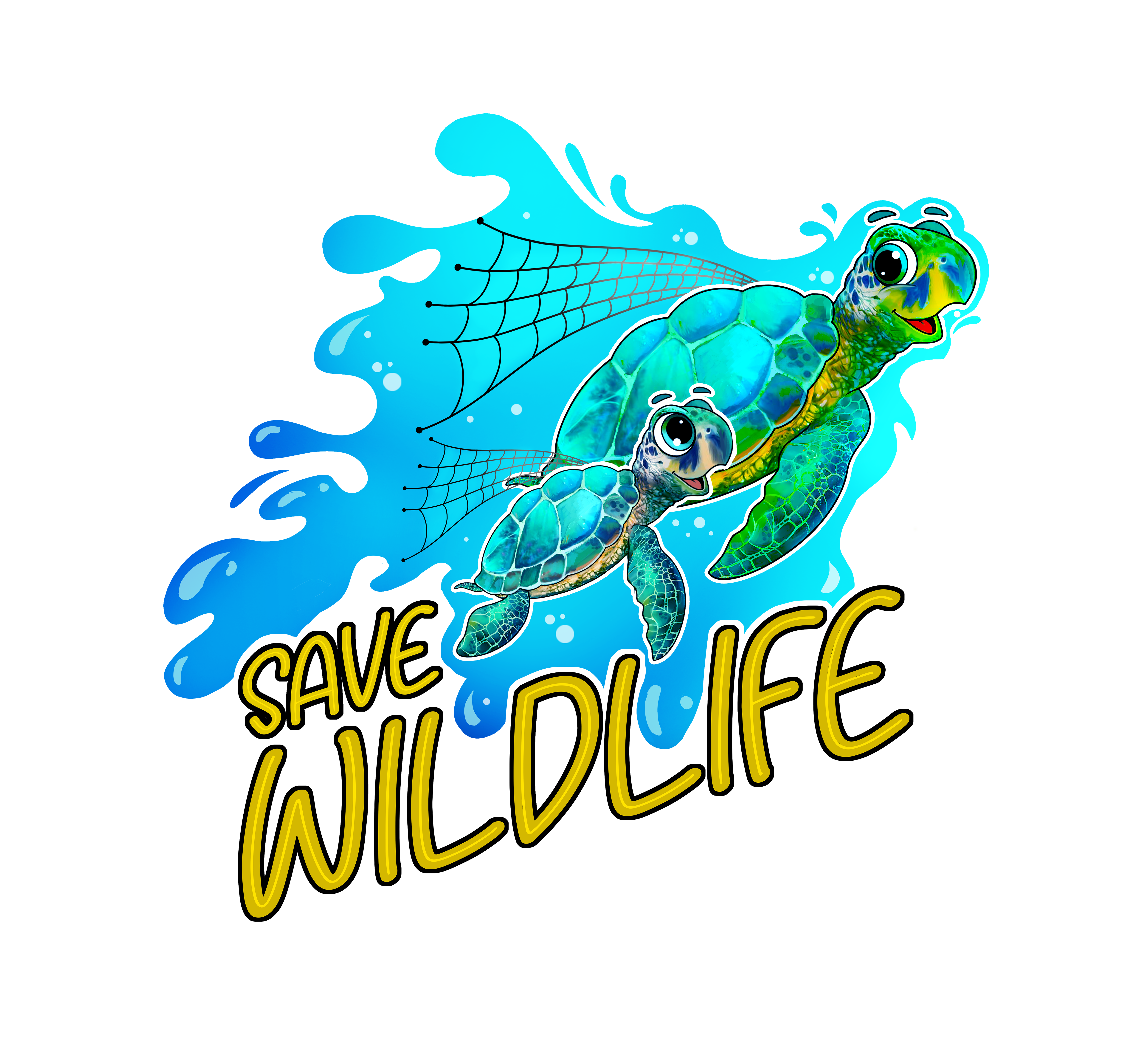
Southern Sea Otters face numerous potential dangers from the abandoned fishing gear (in addition to active fishing), including injury from tidal currents, drowning from being entangled in nets/traps, and chronic psychological stresses that may affect reproduction and subsequent survival.
The relationship between modern industrialisation and our increasing animal extinction awarenesshighlights how we must think carefully about sustainable fishing practices as they relate not just to the maintenance of fish stocks, but also the effective maintenance of endangered species populations that live in the oceans.
4. Limited Geographic Range Makes Them Vulnerable
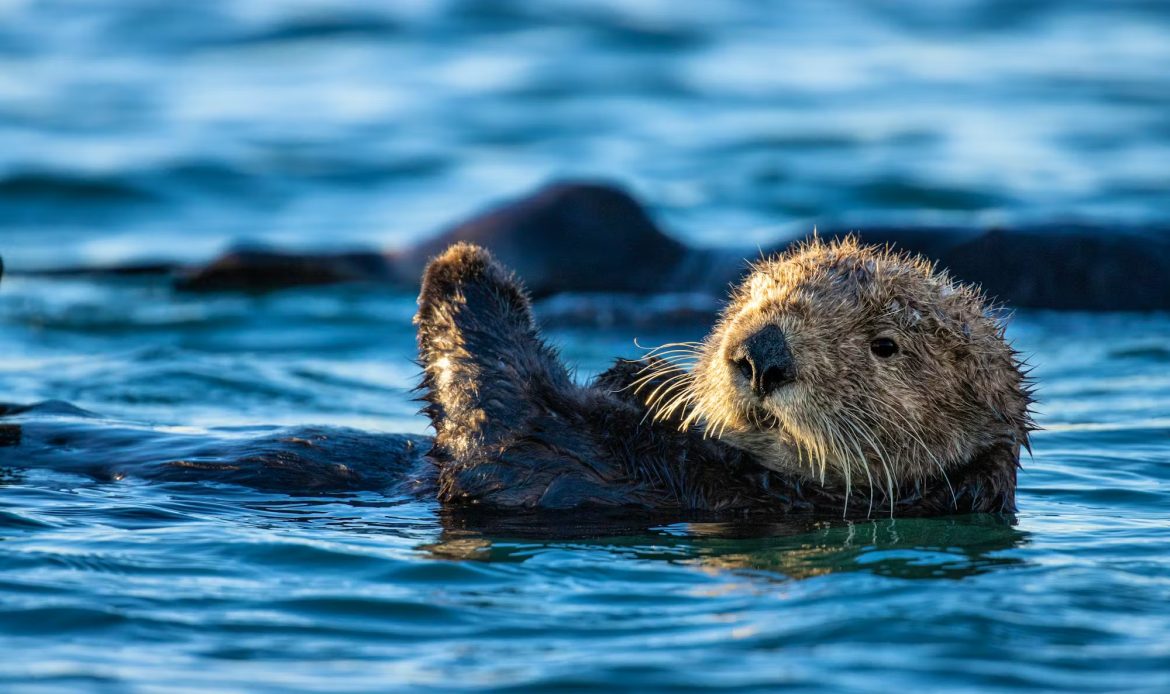
The Southern Sea Otter species is confined to one geographical area located on California’s coastal land. This geographical restriction means that any infectious disease outbreak, human-caused pollution event, or climate-driven change may impact most members of the population simultaneously.
Increased extinction risk exists within many endangered species due to geographic isolation. A method to save marine life while allowing them to recover and flourish in their natural habitat is through increased establishment of protected marine areas.
5. Disease Linked to Land Pollution
There are many diseases from the terrestrial environment that impact Southern Sea Otters. The runoff caused by human activities flows from land/ocean, which adversely impacts the animal’s overall health (e.g., seafood through the otter’s consumption) and also contributes to the animal’s susceptibility to disease by affecting their immune system.
This relationship (i.e., runoff) reinforces the position to protect wildlife; they cannot be separated based solely upon their immediate habitat. True animal extinction awareness requires understanding how everyday human actions ripple through ecosystems.
6. Climate Change Is Altering Their Food Supply
The availability of food for southern sea otters has been negatively impacted by changing ocean temperature and current patterns as a result of climate change, with shellfish populations moving away from southern California coastal waters where they historically thrived and requiring more energy to hunt for food by southern sea otters.
Furthermore, while climate change affects the endangered southern sea otter, which seems like something intangible, it is affecting endangered species like the sea otter today. If we want to save marine life, climate action must be part of conservation discussions, not an afterthought.
7. Slow Reproduction Limits Recovery
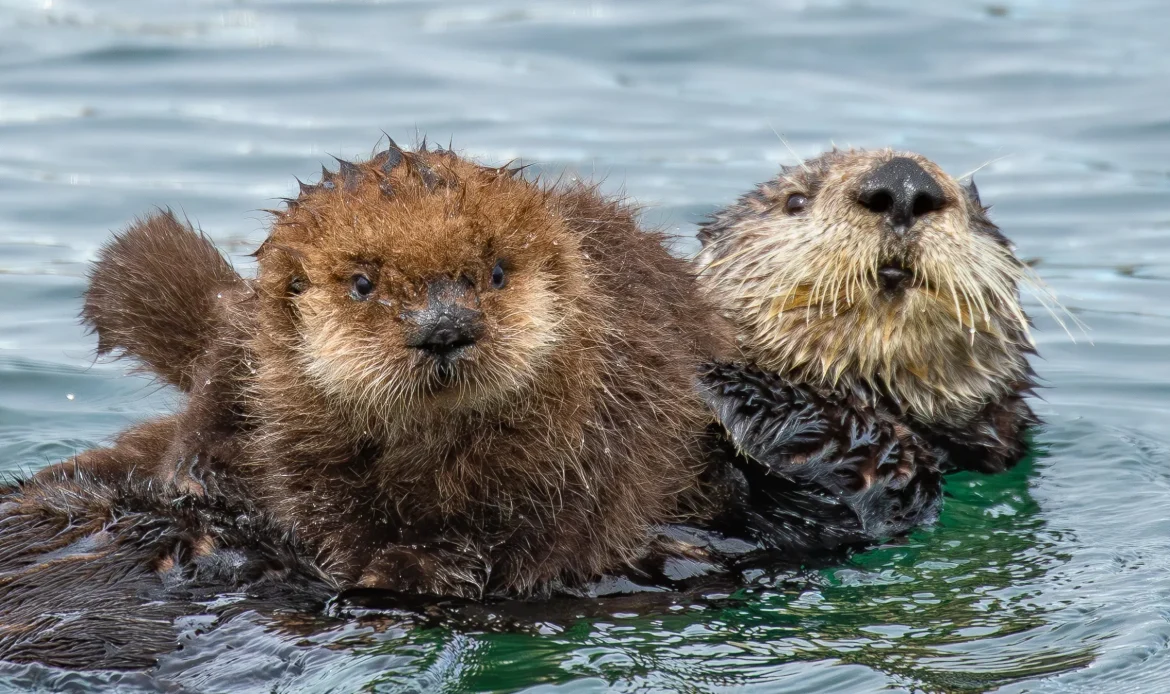
Sterrett’s Sea Otters have a slow reproductive rate and typically give birth to one pup at a time. The chances of the pup surviving depend greatly on how well the mother is doing (i.e., health-wise) as well as the mother’s access to food.
Those slow reproduction rates combined with low survivorship create an extremely fragile opportunity for population recovery; thus, every loss, no matter how small, is significant, which reaffirms that early intervention is paramount to help save wildlife rather than simply reacting to situations after the numbers have collapsed.
8. Human Disturbance Disrupts Natural Behaviour
Development, be it coastal, tourism or boat recreation have a detrimental effect on the feeding and resting times of our local otters by creating continual stress levels, thus reducing their ability to feed and care for their pups.
Responsible wildlife tourism plays a large part in our ability to protect wildlife by maintaining an awareness and respect for distance and habitats, enabling better long-term survival and increased public animal extinction awareness.
9. Conservation Efforts Still Need Public Support
Conservation programmes rely upon legal safeguards, but also require funding, scientific knowledge, and community support. Staying aware of these efforts is key to maintaining the momentum necessary for the continued success of conservation efforts.
The Southern Sea Otters serve as a reminder that protection of species should not be viewed as a single victory; rather, protecting all marine ecosystems requires an ongoing commitment to educate ourselves and provide appropriate policies and take action as individuals to save marine life by protecting these fragile individuals within their habitats.
Why the Southern Sea Otter Matters More Than Ever
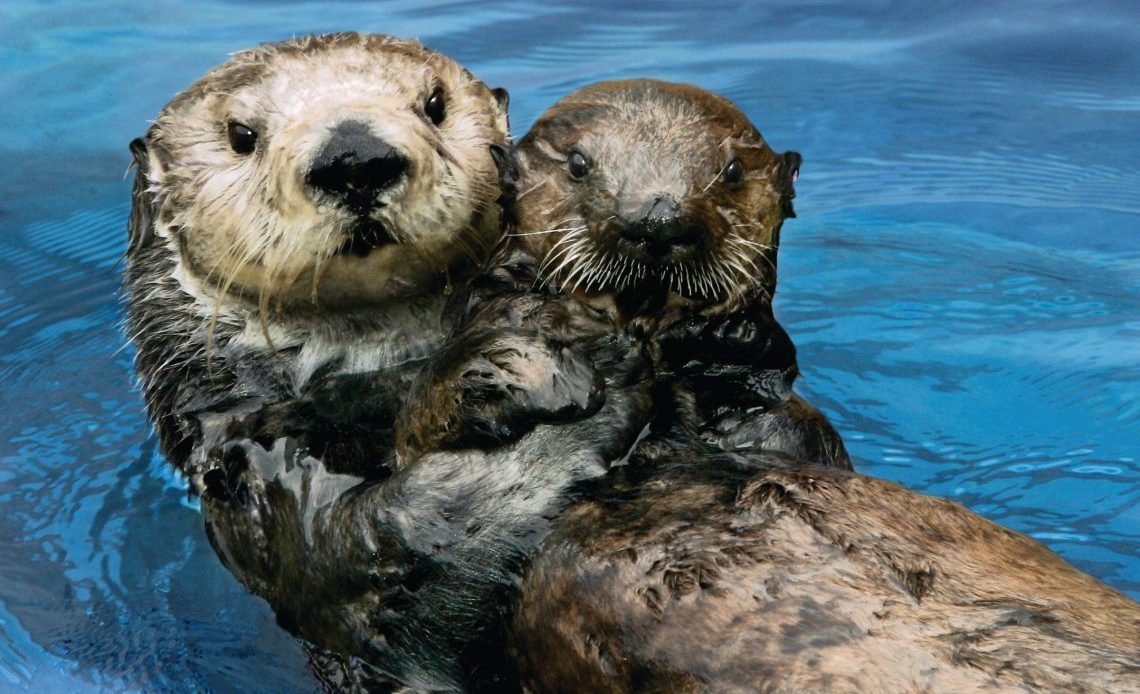
The increase in the decline of the Southern Sea Otter should not come as a surprise, given that most things are connected. This decline also signifies a larger problem in our marine/ coastal ecosystems and there is a struggle faced by many endangered species around the globe.
Most of us (when we think about conservation) usually think of the rainforests or large animals that are located thousands of kilometres from our homes; however, the Southern Sea Otter has demonstrated how to properly conserve and protect our planet’s wildlife through local efforts and then expand them to the global scale with species that rely on us as guardians for their survival.
Last Words of Encouragement
The Southern Sea Otter’s tale is not over. Scientists, conservationists, and caring individuals continue to write it. Raising of animal extinction awareness is not a campaign of fear; it is a campaign of responsibility and hope. Every informed choice made by the public, whether to support a conservation program or to make an effort to stop pollution, is an important contribution to the process to protect wildlife.
By acting, we help save wildlife and also preserve the fragile ecosystems that support all life. Together, we have the opportunity to save our oceans before it’s “too late” to save marine life.
Frequently Asked Questions
· Why is the Southern Sea Otter considered endangered?
Southern Sea Otters face threats such as oil pollution, disease, fishing gear entanglement, and climate change, all of which contribute to their vulnerable status among endangered species.
· How does protecting otters help marine ecosystems?
Southern Sea Otters control sea urchin populations, allowing kelp forests to thrive. This balance is essential to save marine life and maintain biodiversity.
· What can individuals do to help Southern Sea Otters?
Supporting conservation organizations, reducing plastic use, respecting wildlife habitats, and spreading animal extinction awareness are effective ways to help save wildlife.
· Are Southern Sea Otters protected by law?
Yes, they are protected under environmental laws, but enforcement and funding are ongoing challenges in efforts to protect wildlife.
· Why should we care about one species?
Because the loss of one endangered species often signals deeper ecological collapse. Protecting otters supports healthier oceans for all living beings.