Save endangered animals by understanding the last 200 Tonkin Snub-nosed Monkeys’ battle for survival
The Tonkin snub-nosed monkeys are some of the rarest monkeys in all of Asia, and the story of this species illustrates just how important it is to do everything possible to save endangered animals to prevent extinction before time. Currently, only about 200 individuals exist scattered throughout the remaining forests in northern Vietnam. The protection of their habitat, as well as their restoration and the understanding of the problems surrounding them, will determine whether they have any future at all.
Although this monkey has been designated as an Endangered species, it is much worse than that; they are very small and their population is quite vulnerable because a single disease outbreak, fire or surge in hunting could potentially eradicate all remaining members. As a result, they now serve as a significant symbol of worldwide wildlife conservation and have exemplified the fragile nature of life that exists on earth once a species has entered its very last stages of existence.
In the following sections, we will discuss in greater detail why the Tonkin Snub-Nosed Monkey is important, why they have been declining and what we can do to protect wildlife and also how to help save wildlife before they are gone forever.
Table of Contents
What makes the Tonkin snub-nosed monkey so extraordinary?
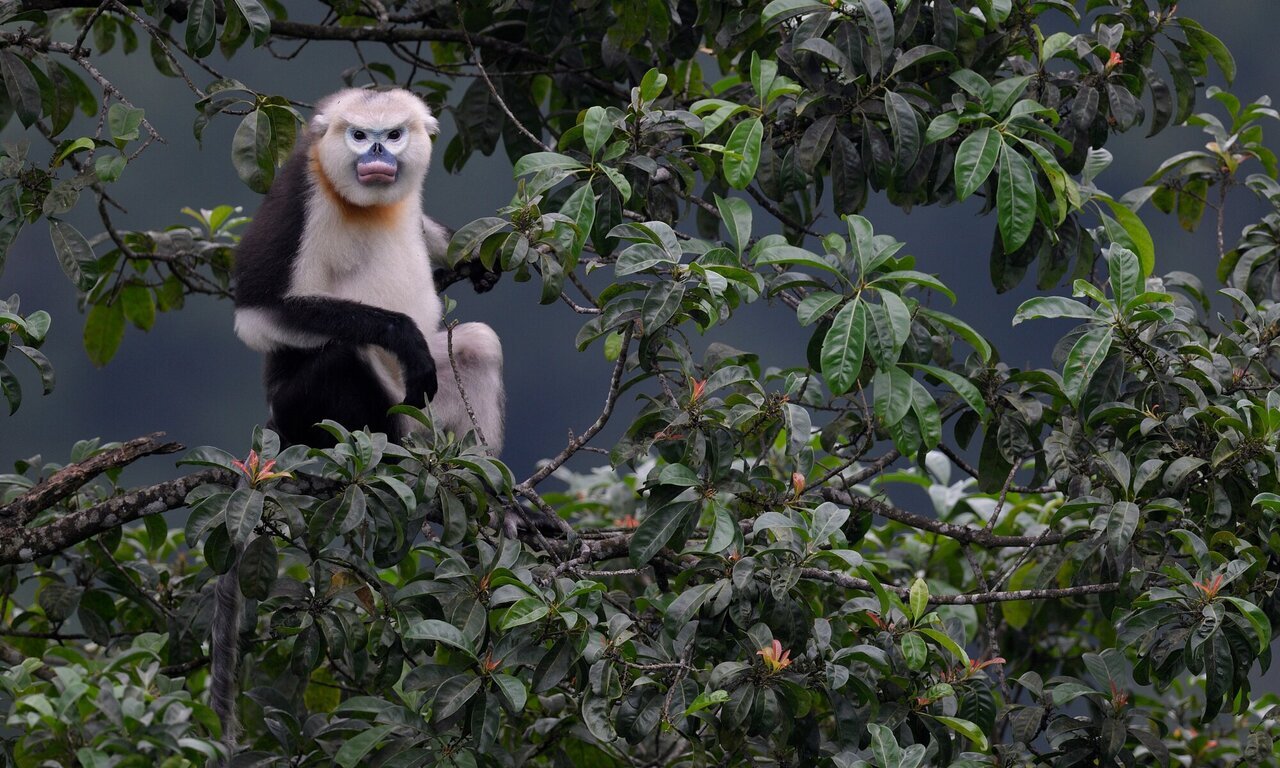
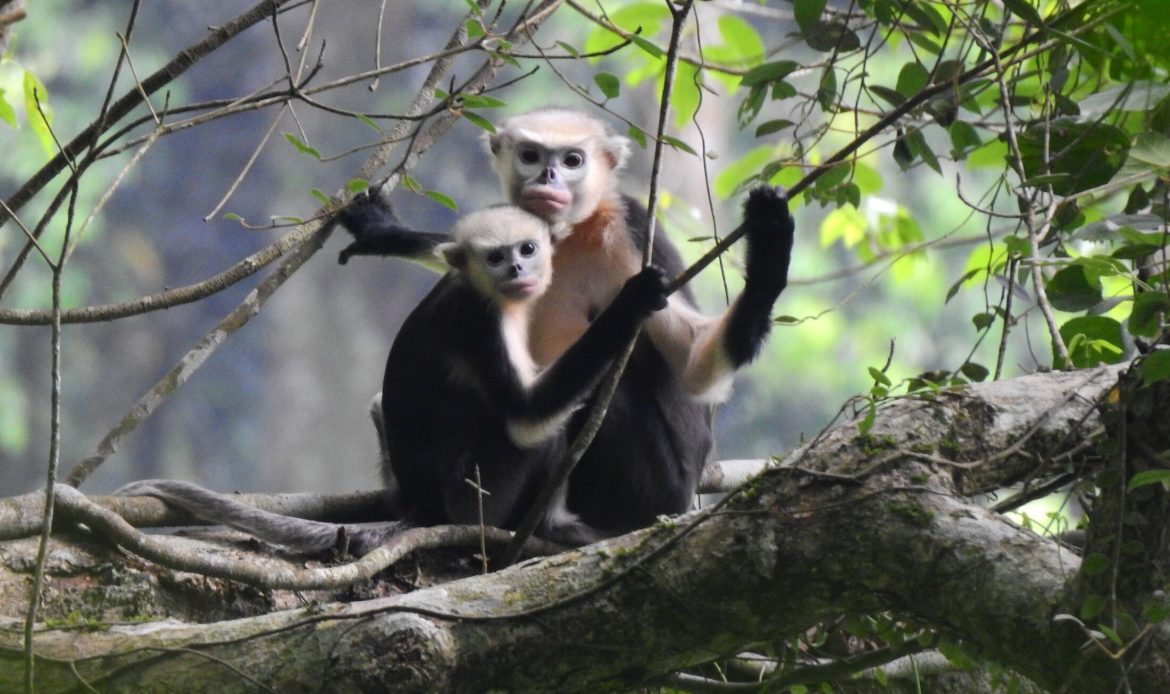
This monkey is probably unknown to most people around the world, yet it is listed in the record books as one of the most distinctive primates on the planet. The monkey has an upturned nose with a unique appearance made up of a distinctive white and black pattern, combined with its large eyes, gives the monkey an appearance that sets it apart from all other species of monkeys that are native to Asia. These monkeys are known to reside high in the forest canopy and to travel quietly in packs of small family units that rely heavily upon dense vegetation for concealment.
It was long believed that this monkey was extinct, but in 1989, a small population of them was found in the remote mountains of Hà Giang Province, Vietnam. This discovery was a turning point for conservationists as it showed the importance of working to save endangered animals, no matter how poor the odds may seem.
The remaining population of the Phong Nha monkey is found within a limited number of forest nuclei (areas of dense forest), as a result of environmental problems hindering the growth of the population, coupled with the fact that the genetic diversity of the monkey has decreased, causing long-term survival issues for this species. One part of the global wildlife conservation movement is dedicated to saving species such as the Phong Nha monkey.
Why is the species disappearing?
1. Habitat loss is destroying their last safe spaces
Deforestation is the biggest threat. Expanding agriculture and road construction are cutting deeper into the mountains where these monkeys live. Once a forest patch is cleared, the monkeys have nowhere else to go. Losing habitat means losing food, shelter and safety, which puts immediate pressure on their numbers.
If we want to protect wildlife, we must protect the forests first. Without these forests, the Tonkin snub-nosed monkey cannot survive.
2. Hunting has pushed the species to the edge
Even though hunting this monkey is illegal, snare traps set for other animals often injure or kill them. In the past, hunting was one of the main reasons their population collapsed. While it has reduced over time, it still continues quietly and dangerously. This is why stronger patrolling and community involvement are essential to help save wildlife in these regions.
3. Small population means higher extinction risk
With fewer than 200 individuals left, every birth matters. Every death has long-term consequences. A population with these small struggles with breeding challenges, disease risk and loss of resilience. This is why the species is not just an endangered species, but one of the most critically threatened primates in the world.
4. Limited awareness
Local communities often don’t know how rare or fragile this animal is. Without awareness, conservation laws are harder to enforce. Education is a critical step if we truly want to save endangered animals and create long-lasting change.
What are conservationists doing today?
· Protected forest zones
Vietnam has designated several forest areas as protected zones for the Tonkin snub-nosed monkey. These forests now have patrol teams, monitoring systems and long-term conservation plans.
· Community-based conservation
NGOs and local groups are working with villagers to create alternative income sources, like sustainable farming and ecotourism. When communities benefit from protecting the forest, they are far more likely to become guardians of wildlife.
· Habitat restoration
Replanting native trees and creating natural buffer zones helps these monkeys move safely between forest patches. Reconnected forests increase food availability and support population recovery. This is a major pillar of wildlife conservation globally.
· Scientific monitoring
Scientists track the monkeys’ movement patterns, family group sizes, health and breeding behaviour. This helps conservation teams adjust their strategies in real time, ensuring every effort is focused on realistic survival goals.
Why does saving the Tonkin snub-nosed monkey matter for everyone?
Saving one species may seem like a small act, but the impact goes far beyond a single animal. When we fight to protect wildlife, we also protect forests, water sources and climate stability. Forests in northern Vietnam are home to countless species, many of which are also at risk. If the Tonkin snub-nosed monkey disappears, it signals more serious damage in the entire ecosystem.
A healthy population of this monkey means healthy forests. Healthy forests help regulate climate, support agriculture and provide clean air and water for local communities. That’s why efforts to help save wildlife are not only about animals; they are about protecting life for all of us.
How can you help save endangered animals like the Tonkin snub-nosed monkey?
Even if you live far from Vietnam, your choices matter. Here are practical ways anyone can contribute:
· Support trusted conservation organizations
Groups working on the ground need funding for equipment, education programs and habitat protection. A single donation can support monitoring teams or plant new forest trees.
· Share awareness
Simply talking about the Tonkin snub-nosed monkey helps. The more people who know their story, the more support conservation programs receive. Awareness is one of the easiest ways to save endangered animals.
· Choose responsible tourism
If visiting Vietnam, choose eco-friendly tours and avoid activities that disturb wildlife. Sustainable tourism directly helps local communities and reduces pressure on forests.
· Reduce demand for wildlife products
Illegal wildlife trade threatens countless species. Avoid buying any products linked to wildlife harvesting. This small action strengthens global efforts to protect wildlife.
· Support reforestation projects
Many organizations allow you to sponsor tree planting. Reforestation is one of the strongest tools in wildlife conservation, especially for species with shrinking habitats.
Last Words of Encouragement
The Tonkin snub-nosed monkey has survived against incredible odds, but its future is still fragile. Its story reminds us that protecting nature is not just a scientific task. It is a human responsibility. Every small action—every shared post, every donation, every tree planted—helps keep this rare monkey alive. When we choose to save endangered animals, we choose to protect the beauty, balance and hope that our planet depends on.
FAQs
1. Why are Tonkin snub-nosed monkeys being considered an endangered species?
They are classified as an endangered species because fewer than 200 remain in the wild, and their habitat continues to shrink. Hunting, deforestation and fragmented forests make survival difficult. This is exactly why stronger action is needed to save endangered animals before they vanish.
2. How does saving this species support global wildlife conservation?
Protecting these monkeys strengthens wildlife conservation in northern Vietnam. When their forests are preserved, hundreds of other species benefit too. Saving one species often restores entire ecosystems, which is a powerful way to help save wildlife on a larger scale.
3. What can the public do to help save wildlife like the Tonkin snub-nosed monkey?
People can help save wildlife by supporting conservation groups, learning about the species and sharing their story with others. Donations, awareness campaigns and responsible eco-choices are simple but effective ways to save endangered animals around the world.
4. How can local communities protect wildlife more effectively?
Local communities can protect wildlife by reducing hunting, promoting eco-friendly livelihoods and participating in forest patrols. When communities understand how rare this species is, they become strong partners in wildlife conservation efforts.
5. Why is it important to save endangered animals even when numbers are so low?
It’s important to save endangered animals because every species plays a role in maintaining ecological balance. Losing the Tonkin snub-nosed monkey would damage Vietnam’s forests and weaken long-term wildlife conservation efforts, making it harder to protect wildlife overall.