
Save Endangered Animals and Face the Cost: “A Giant Slipping Away” 8 African Forest Elephant Truths
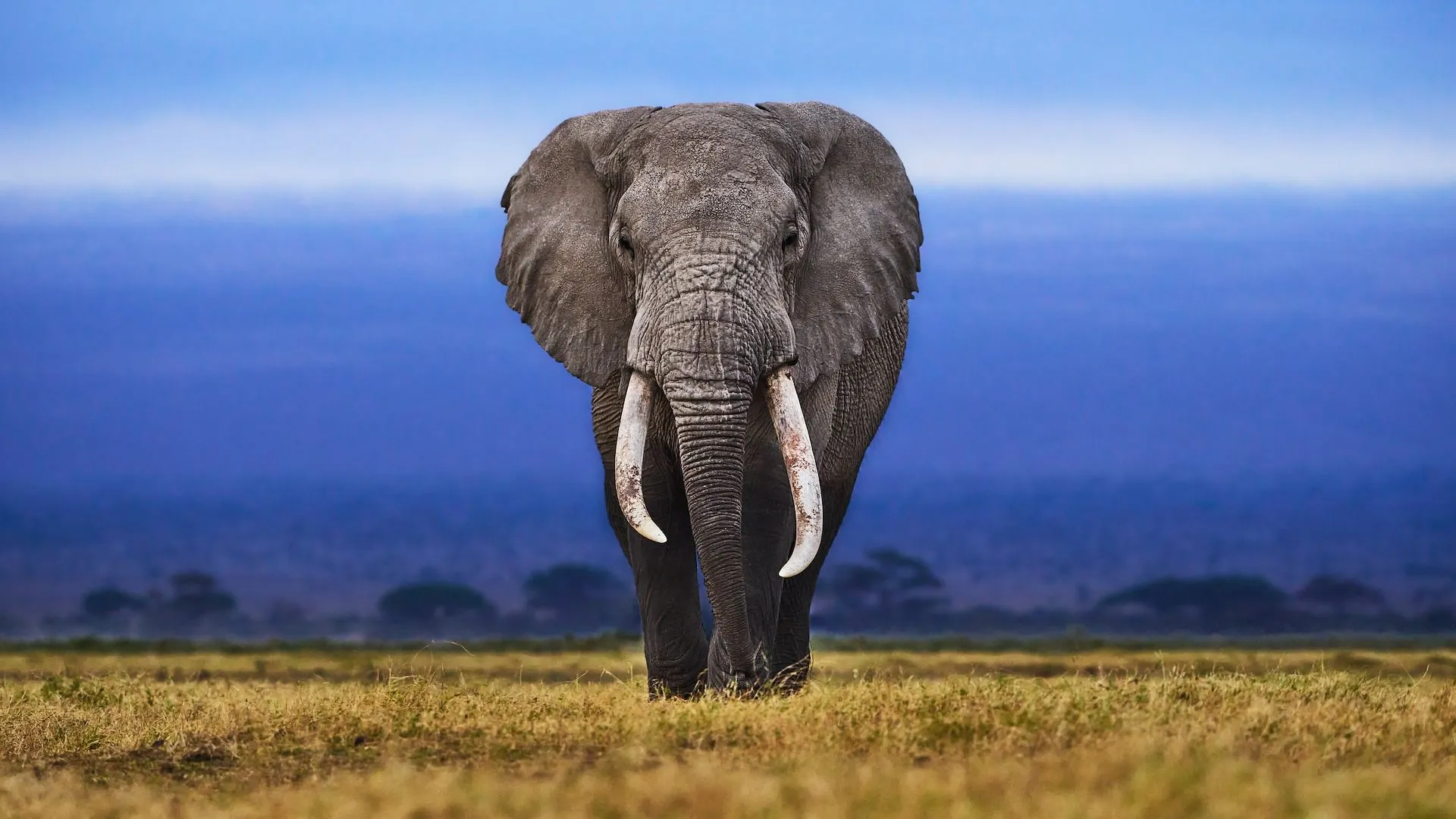
When trying to save endangered animals, we often focus on those that are the most visible, exciting and easy to photograph. The African forest elephant is one such species that does not have this kind of appeal. The African forest elephant lives in the thick jungles of Central Africa’s rainforests, where it is not usually seen and seldom spoken about. However, the rapid extinction of the African forest elephant represents a significant and fundamental challenge to the effectiveness of global wildlife protection.
The African forest elephant is not going extinct because of a lack of care; rather, the African forest elephant is going extinct because concern is not the same as action. Without strong and effective wildlife conservation measures, species that live in areas that are not visible to people will be the first to go extinct. If we cannot save endangered species such as the African forest elephant, it is an indication that our commitment to the conservation of wildlife on a global basis is in serious question.
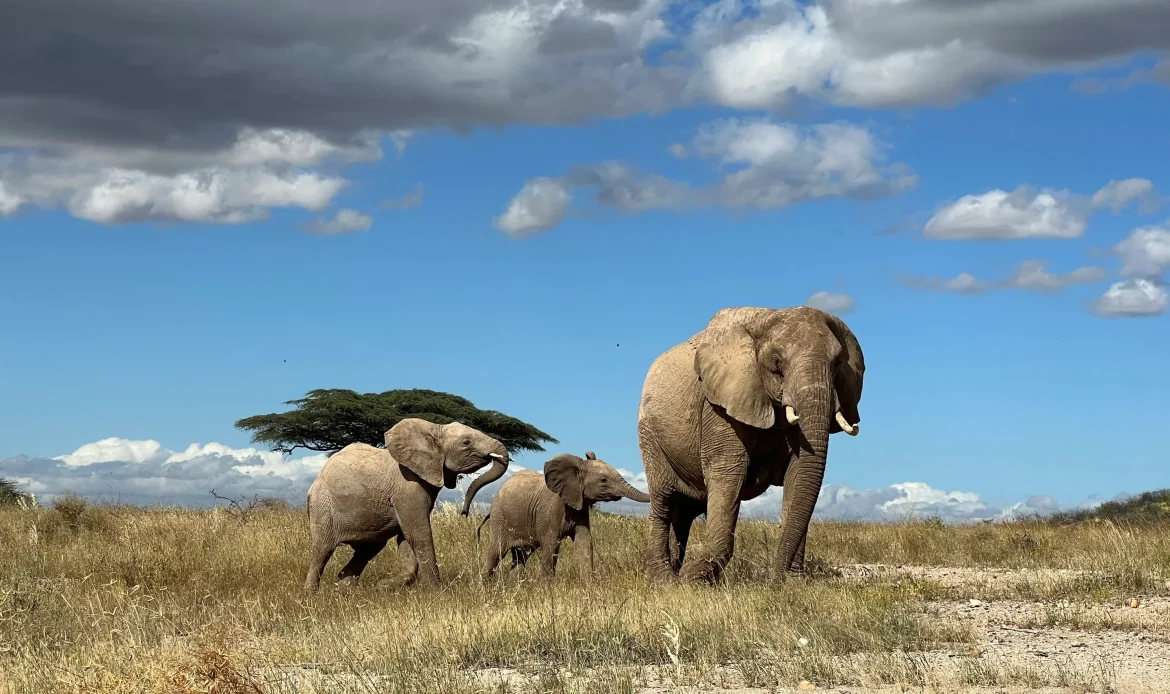
Table of Contents
1. Forest Elephants Are Not Just Smaller Elephants
African forest elephants belong to a different species from savannah elephants – they are smaller, darker, and have unique genetics. Their bodies are built for traversing very dense forests, unlike the open plains of other types of elephants. Most importantly, forest elephants reproduce very slowly, resulting in it taking decades for populations to replenish.
This biological fact is not taken into account in many conservation plans. Even though all endangered species are protected by federal and state government laws, these plans do not provide much of an opportunity for the recovery of these species. To create sound and effective conservation strategies for endangered species, conservation strategies must be developed to fit the species, as opposed to being developed around what is most convenient.
2. Poaching Is Still a Daily Threat
Ivory poaching continues to threaten the future existence of African forest elephants. Their ivory is of greater density and value than that of any other animal, making them more sought after for poaching.
Animal extinction awareness typically ends here; awareness raising can create a level of concern, however, the level of enforcement to stop poachers is not keeping pace. Unless there is proper funding for anti-poaching patrols and cross-border coordination, the limited relief provided to wildlife is only symbolic. To save endangered animals, there must be a continuous level of pressure on those who illegally poach them, not a one-time outrage.
3. Habitat Loss Is Closing in from All Sides
The forests of Central Africa are still threatened by logging, mining, farming and the construction of new roads. Every time a new road is built, it allows poachers to access places they wouldn’t have been able to before. This hampers elephants from migrating.
Elephants are critically endangered if poaching is removed. In addition, elephants cannot survive without intact forests. Therefore, we must initiate sustainable wildlife conservation programs that include protecting the environment or habitat and do not limit our wildlife conservation efforts to only conserving the animals in the wild. Therefore, if endangered species are to be saved, habitat protection must be a priority goal of all conservation organizations.
4. Forest Elephants Are Ecosystem Engineers
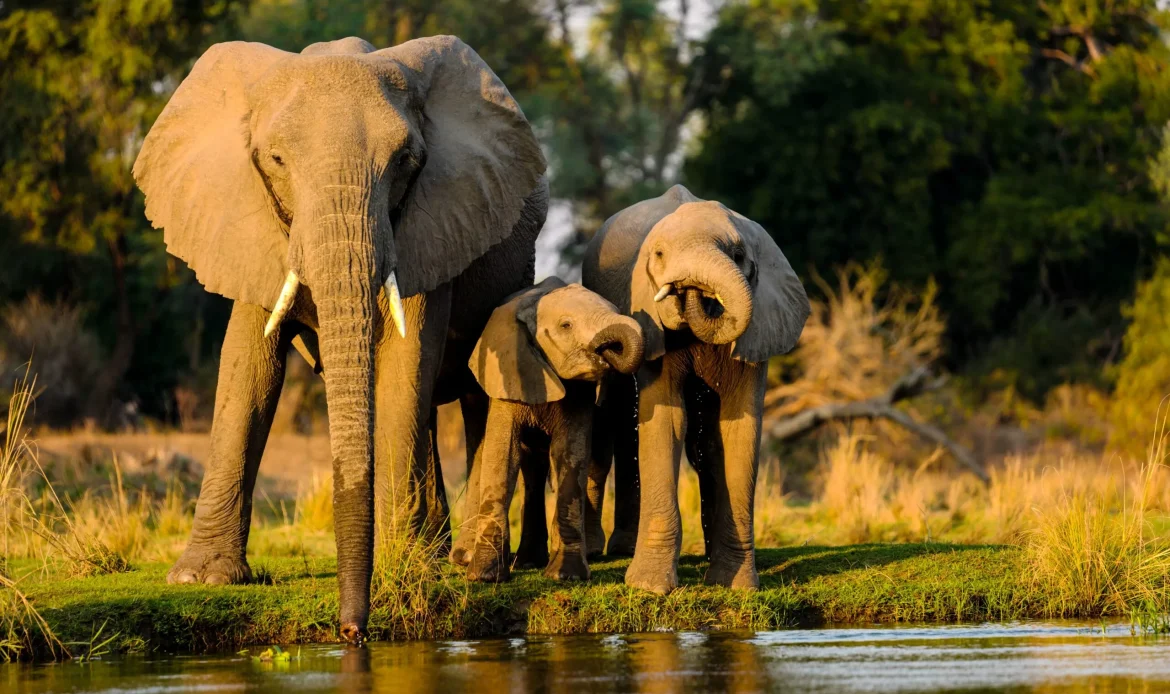
As African forest elephants help to shape the trees within their ecosystem by distributing large seeds over long distances, they support both tree diversity and the overall structure of the forest itself. Without the presence of these elephants, many of the other species that depend on their habitat will no longer exist.
Unfortunately, this important role in wildlife conservation can be overlooked by many people; when elephants go extinct, the composition of the entire ecosystem is altered forever. Therefore, we must protect the wildlife in this region to maintain the entire ecosystem, not just individual species.
5. Their Decline Is Easy to Miss
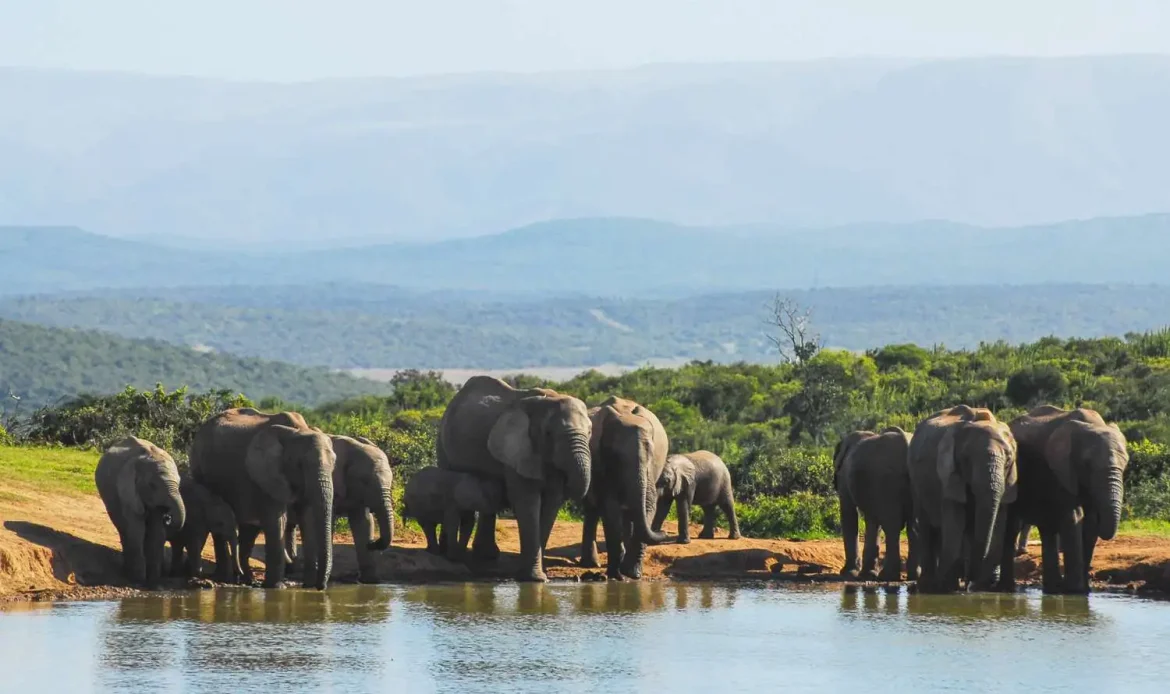
Population counts are complicated in dense forests due to tree cover. Forest elephants are harder to detect by air compared to savannah elephants, so declines frequently go unnoticed for years.
This invisibility contributes to the perception that endangered species are safe. When there are no visible signs of loss, the urgency to save them diminishes. Successful conservation of wildlife relies upon data that is reliable, considerable long-term monitoring of populations and being able to transparently report densities to stakeholders. In order to help save an endangered species, you must know its current risk of extinction.
6. Communities Pay the Price of Conservation Gaps
Elephant habitat leaves local communities with destroyed crops, limited use of land and economic strain (amongst other things). Resentment will grow if conservation policies do not take into account these challenges.
In order to legally save endangered animals, conservation needs to partner with communities instead of working against them. By including these communities’ benefits, providing them with fair compensation, and allowing for local community involvement, the success rate of conservation efforts to protect wildlife from extinction is increased. Conversely, the exclusion of local communities leads to decreased conservation and increases the likelihood of conflict.
7. Protection on Paper Is Not Protection in Practice
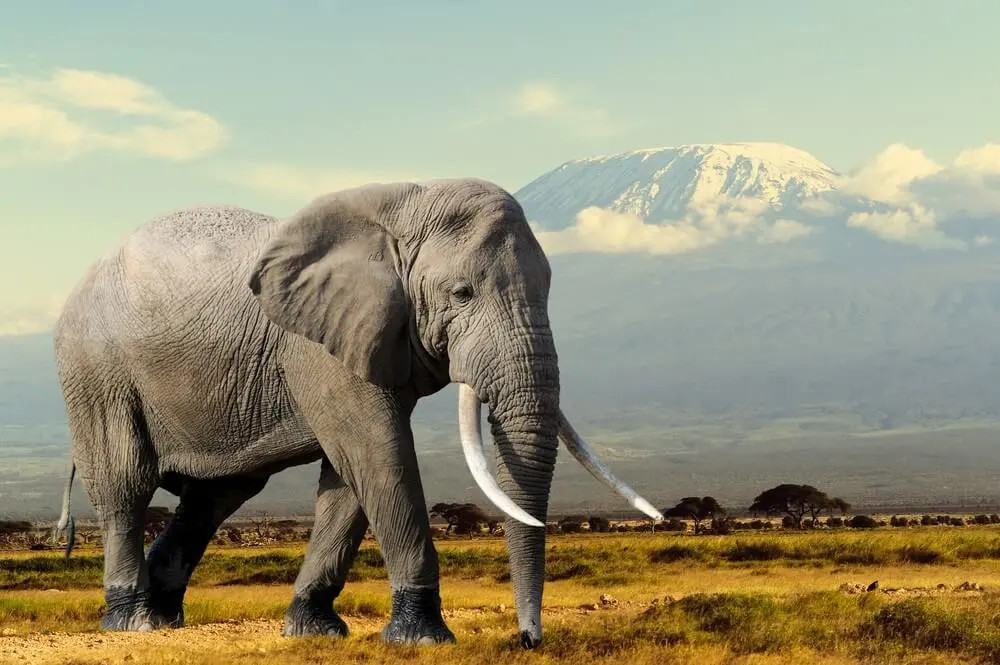
Despite the African forest elephant being classified as an extremely endangered species and the existence of protected areas within the range of the Elephant, the illegal logging, mining and poaching of elephants continues to take place.
This disconnect shines a light onto the inadequacy of wildlife conservation efforts—only creating laws cannot be expected to save endangered animals; for wildlife to be saved in a meaningful way, protection must be funded continuously, monitored on a consistent basis and enforced not based on selective criteria.
8. Losing Forest Elephants Affects the Planet
The role of forest elephants is to keep Forest Ecosystems healthy, and therefore to keep them storing Carbon. Without elephants, forest resiliency is reduced, and climate instability is increased.
The loss of forest elephants impacts not just one endangered species, but many. Protecting painfully endangered animals (i.e., forest elephants) affects all three: climate, biodiversity & our chances to survive as Humans, as well as affecting the global ecosystem.
Why the African Forest Elephant Still Matters?
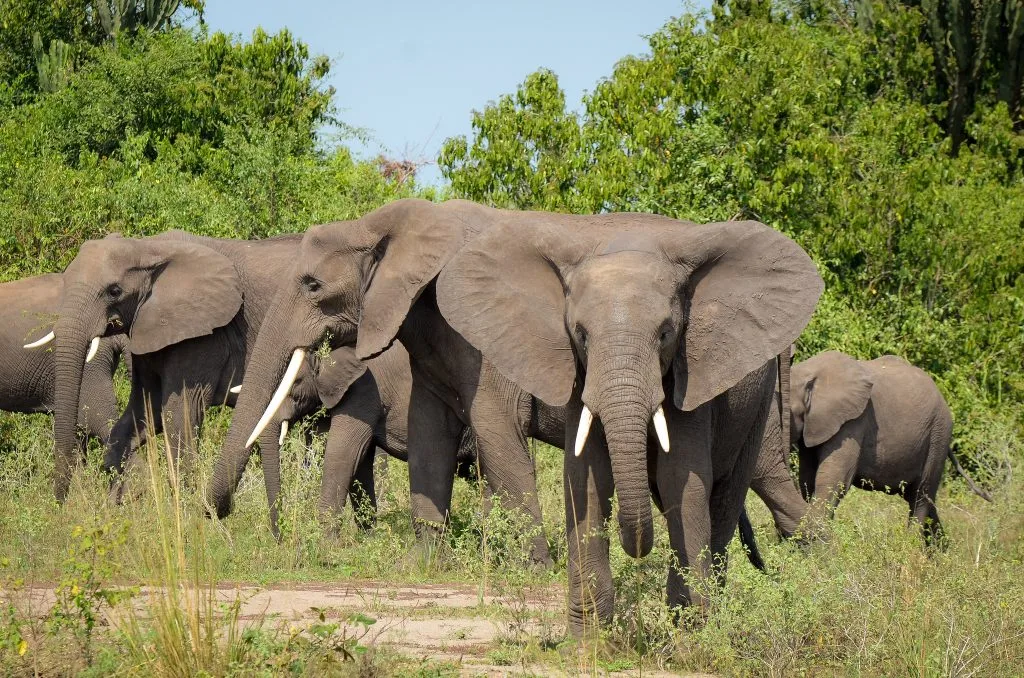
The African forest elephant is an indicator of a silent crisis. It has us examining our overall lack of animal extinction awareness and taking no responsibility. There will be no way for the public to save endangered species without ongoing efforts made by conservationists.
Forest elephants indicate that extinction can often be a silent event. When animals die out without humans noticing, they can never come back. Therefore, wildlife conservation efforts should focus on animals that are most at risk, as opposed to the animals that are most publicly visible.
Last Words of Encouragement
To save endangered animals such as the African Forest Elephant, we must take action before silence becomes forever. An animal that goes unnoticed, yet needs our attention to survive. The fact that an endangered species like the African Forest Elephant exists serves to remind us that neglecting it is equally as devastating as destroying it.
If we are serious about the efforts to protect wildlife, we must engage in meaningful conservation, raise animal extinction awareness and no longer accept that quiet losses are going to happen. Protecting the endangered species of our planet isn’t about remembering the past; it’s about taking responsibility for the future and doing what we can through our actions to protect future generations.
Frequently Asked Questions
· Why is the African forest elephant critically endangered?
The African forest elephant is critically endangered due to continued poaching, widespread habitat loss, and its slow reproduction rate. These pressures combine to create a serious endangered species reality where populations struggle to recover. Without stronger wildlife conservation efforts, it will remain difficult to save endangered animals like this species.
· How is the African forest elephant different from other elephants?
African forest elephants are genetically distinct from savannah elephants and are adapted to dense rainforest environments. Their slower breeding cycle means population decline is harder to reverse, making targeted wildlife conservation efforts essential to protect wildlife effectively.
· Why should we protect wildlife such as forest elephants?
To protect wildlife like forest elephants is to protect forest ecosystems as a whole. These elephants help maintain biodiversity by dispersing seeds and shaping forest growth. Losing them would deepen the endangered species reality faced by many rainforest species.
· How does animal extinction awareness support conservation?
Animal extinction awareness helps bring attention to species that are disappearing quietly. Awareness increases public support, funding, and policy action, all of which strengthen efforts to protect wildlife before extinction becomes irreversible.
· Can conservation still save endangered animals like forest elephants?
Yes, it is still possible to save endangered animals like the African forest elephant if habitat protection improves and poaching is reduced. Long-term wildlife conservation efforts and community involvement are key to stabilizing their population.