
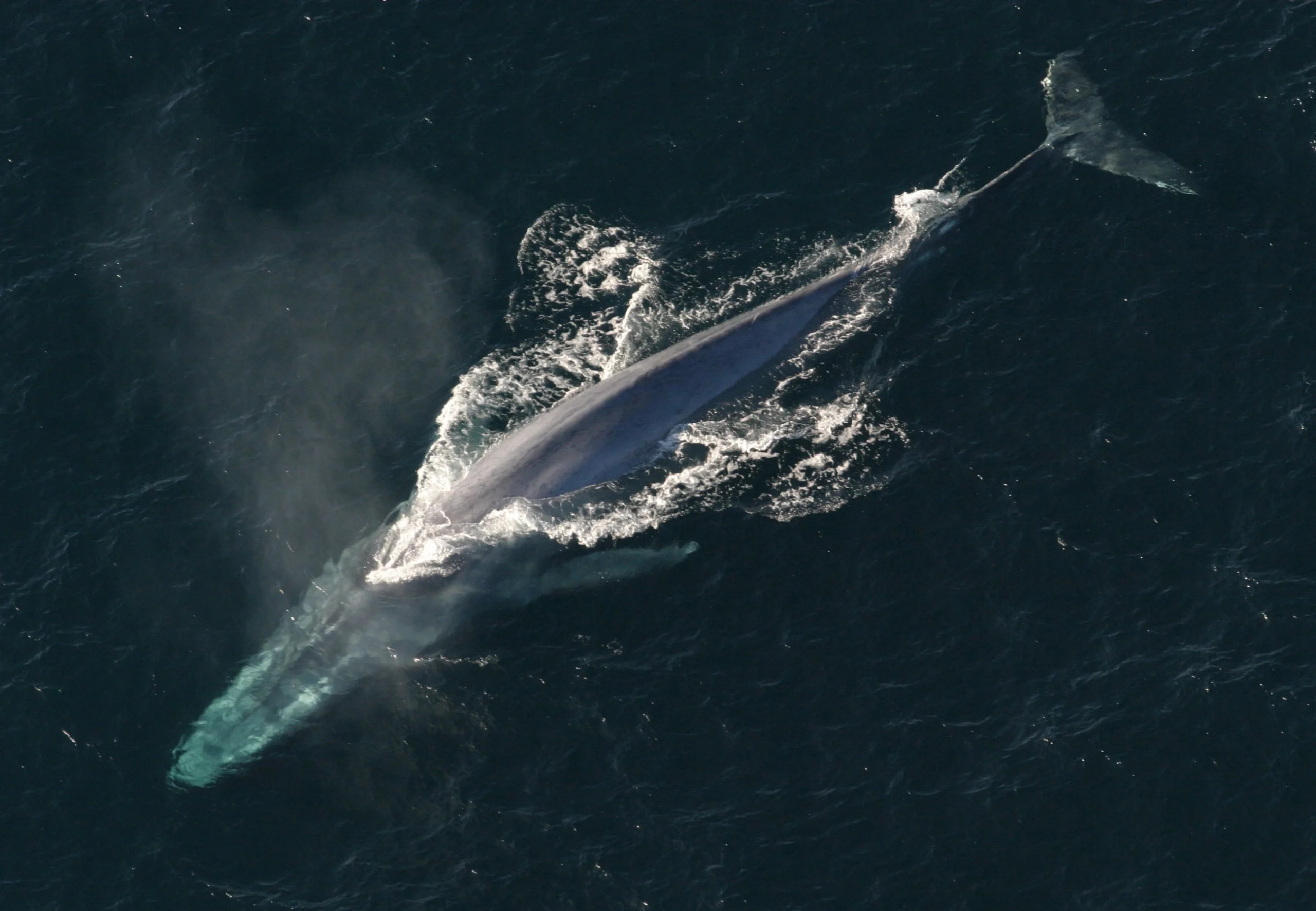
Why Save Marine Life Still Isn’t Enough: “Listening to the Blue Whale” 8 Hard Truths
When we discuss the need to save marine life as a success, very frequently, blue whales are brought up. The reason for this is due to many things, including a ban on commercial whaling, an increase in public knowledge regarding their existence, the fact that there are international agreements regarding whaling, etc. However, even though we have all of these positives around blue whales, they are still endangered and therefore, this contradiction points to a much greater reality of endangered species all around the world.
Even though we have “saved” marine animals on paper, it does not necessarily mean that they are safe and sound in the ocean. The story of the blue whale is not just about survival but about how effective present-day wildlife conservation efforts will be in restoring the ocean’s ecosystem balance and preventing future losses as well.
Table of Contents
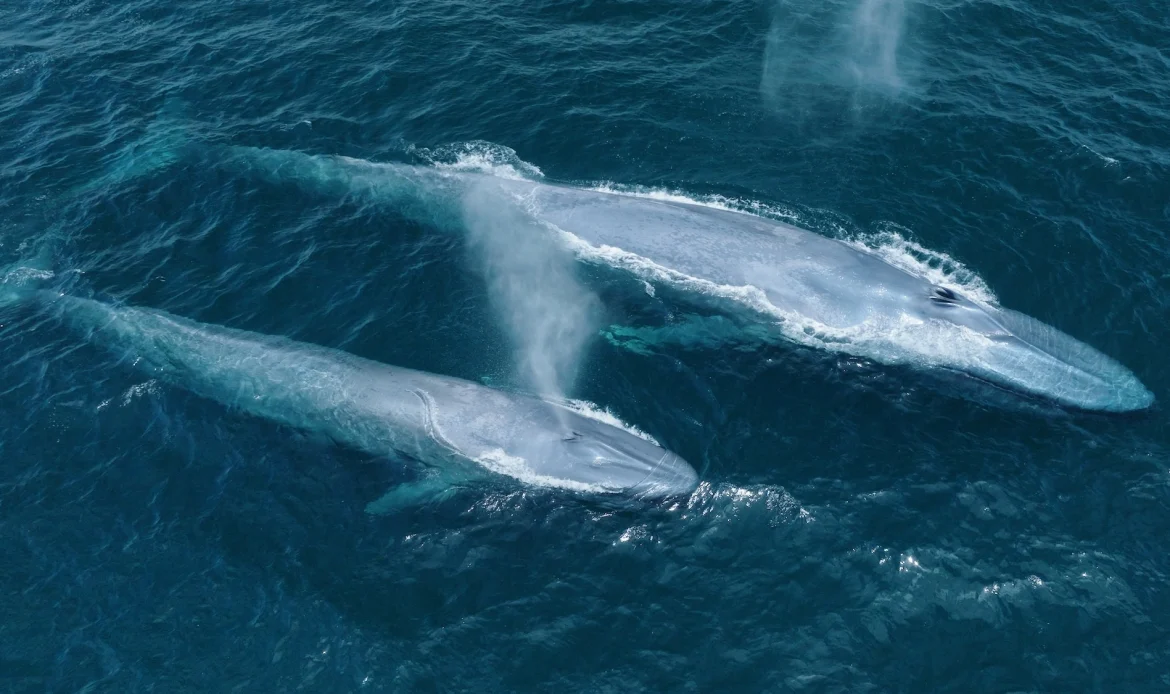
1. Saving Marine Life Came After the Damage Was Done
Throughout most of the twentieth century, blue whales were subject to relentless hunting. By the time global prohibition of whaling was enacted, populations were already substantially reduced. Entire generations of animals were lost.
This pattern exemplifies the common experience for endangered species. When efforts are made to save marine wildlife, those efforts are most often made only after irreparable damage has occurred. Consequently, when conservation efforts are made late and under conditions of irreversible damage, the focus will be on recovery through restoration of the original population, thus leading to a greatly diminished chance of success.
2. Survival Is Not the Same as Recovery
Blue whales remain, but their population is only a fraction of what it used to be. Some areas are slowly beginning to improve, while other places haven’t changed much at all.
This presents a challenge to the way we view animal extinction awareness today, where many people view staying alive as a win for an animal. To truly save marine animals, the conservation of animals must be about restoring them to pre-existing healthy ecosystems rather than just continuing to keep animals alive on the planet. If there is no restoration of marine animals, then the ocean ecosystem balance will remain out of balance.
3. The Ocean Has Become Too Loud to Live In
Blue whales rely on sound as a means to communicate over thousands of kilometres. The oceans today are noisy from shipping traffic, sonar, and industrial activity. These continual disruptions hinder the feeding, mating, and navigating of blue whales.
This is a classic example of an endangered species, where the reality has been overlooked. Noisy environments pose a threat to the survival of this species; therefore, traditional wildlife conservation practices were not developed with noise as a threat in mind. As a result, saving marine organisms from noise requires recognizing the impacts of modern pressures that earlier conservation models did not anticipate.
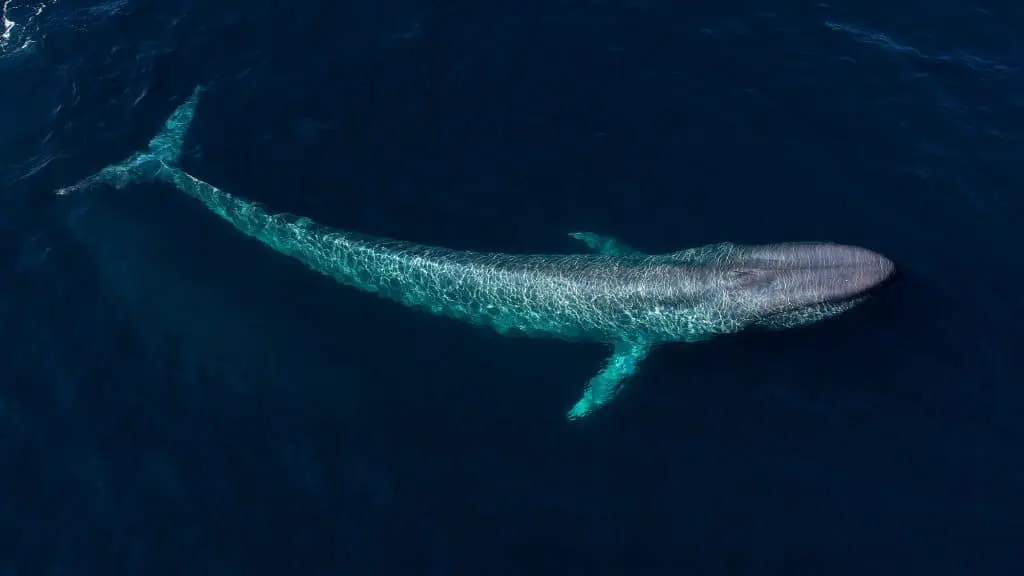
4. Climate Change Is Reshaping Their Food Source
Krill is the primary source of food for blue whales, and krill are very sensitive to changing ocean temperatures and the presence or absence of ice. Climate changes cause krill to move or decline in population, so the whales will likely need to migrate more miles to find food each year.
In addition to the need to save marine life, conservation efforts must also include protecting the overall balance of the oceans’ ecosystem. Climate change is impacting the ocean ecosystem balance and the number and type of marine species living in it, and placing many marine species, including those that are legally protected, at risk by way of indirect but significant means.
5. Shipping Lanes Cut Through Migration Routes
Numerous significant shipping lanes coincide with routes used by migrating blue whales. As a result, large whales are increasingly being struck by large vessels, which tend to be the most common source of injury or death to large whales.
This phenomenon illustrates a larger issue of endangered species, wherein economic systems have taken precedence over ecological systems. Strengthening wildlife conservationultimately requires that the activity of people at sea be redesigned rather than merely documenting its impact on wildlife.
6. Policies Exist, Enforcement Often Falls Short
While international treaties do guarantee to save marine life, the way in which they are enforced is very inconsistent across regions. Gap in monitoring, insufficient funding, as well as reluctance on behalf of lawmakers, have all contrived against the real-world effects of these treaties.
As the gap in protection erodes the animal extinction awareness and results in a false sense of confidence. Accountability must be established for successful conservation practices. Therefore, wildlife conservation requires strong commitment, which includes measurable actions, not just words.
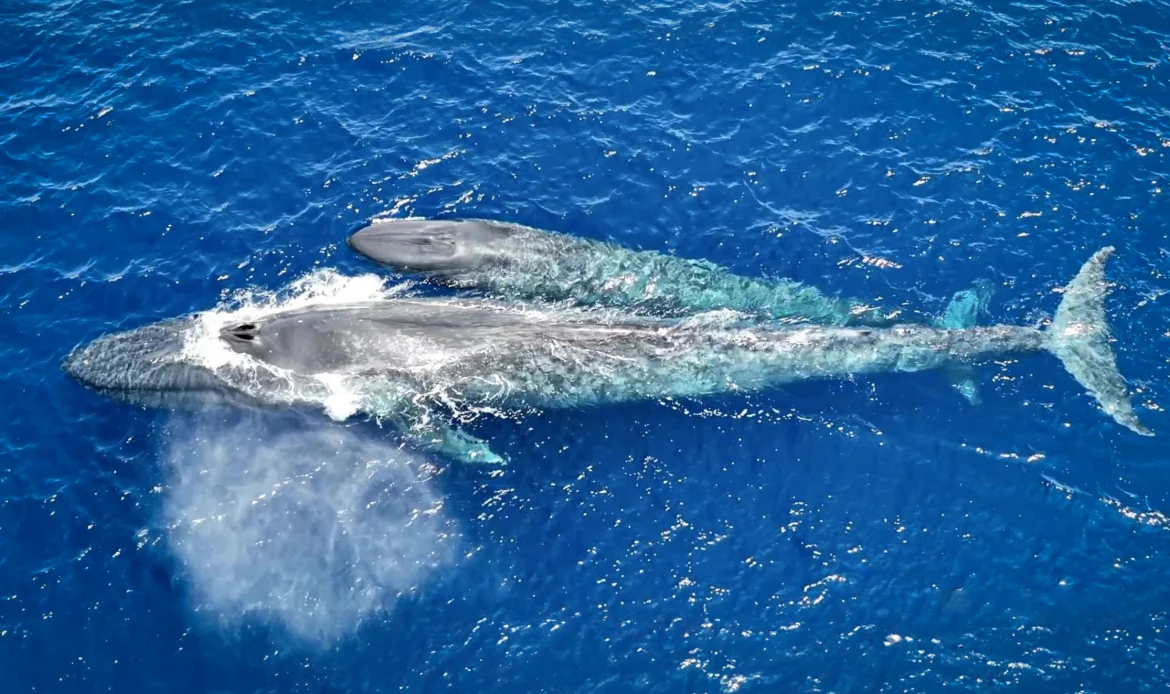
7. Blue Whales Help Regulate the Ocean
Nutrient cycling is dependent on the blue whale’s movement and waste, as it allows plankton to thrive, therefore providing food for the entire marine food web and increasing carbon storage capability.
Failing to understand the blue whale’s role makes it difficult to define what it means to be an endangered species. In order to save marine life, blue whales need to be viewed as a necessary component of the ocean ecosystem balance, rather than as a symbolic species that creates the illusion of being protected, while in actuality, their presence is absent.
8. Progress Exists, But It Is Fragile
Certain populations are stabilizing. By replacing shipping routes and creating protected feeding zones, risk at some level has been reduced. This is evidence that conservation is successful.
However, animal extinction awareness goes beyond just celebrating success. Long-term sustainability to save marine life will require ongoing efforts even when urgency no longer exists – progress without permanence does not equate to protection.
Why the Blue Whale Still Matters Today?
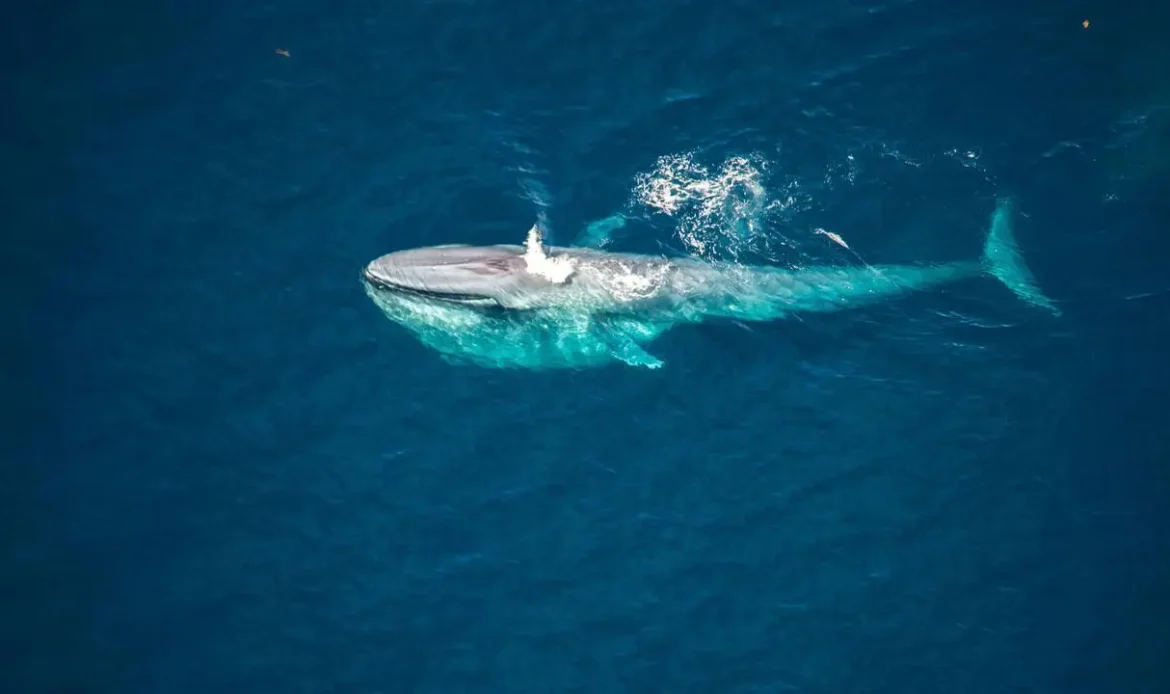
Many people view the blue whale as an example of conservation successes; however, this also gives us evidence of the near misses for this animal’s continued existence on the planet. They show us what modern-day wildlife conservation can accomplish, but also where there is still much to be done.
The current situation with blue whales represents how all endangered species exist today: constant threats to their existence and the need for preservation (as well as requirements for the ocean ecosystem balance). By observing the sounds/communication from blue whales, we are forced to consider whether saving ocean animals is about stopping the negative impact of humans on their habitats, or about restoring balance to these habitats; both are necessary for the ocean ecosystem to be complete.
Last Words of Encouragement
The blue whale serves as a reminder that protecting marine life isn’t just one accomplishment; it’s a continual commitment. Success cannot be defined by success alone when there is no security for the future.
For efforts to effectively save marine life from environmental degradation, wildlife conservation will need to shift from an approach that is reactionary to one that seeks to restore the health and function of the ocean and its ecosystems. Through increased efforts for protecting wildlife, raising animal extinction awareness and re-establishing the ocean ecosystem balance, we will be able to ensure that the largest animal in the ocean has a voice long after it dies.
Frequently Asked Questions
· Are blue whales still endangered?
Yes. Even with the support measures like legislation in place, global threats such as climate change, ship strikes, and ocean noise are still occurring and creating a new future for endangered species.
· Why are blue whales important to marine ecosystems?
They provide nutrient cycling and carbon capture services and, therefore, will help to maintain the ocean ecosystem balance.
· Is banning whaling enough to save marine life?
No. Traditional methods of wildlife conservation cannot effectively address the concerns related to climate, industrial, and enforcement issues of today.
· How does noise pollution affect blue whales?
It interferes with communication and feeding and causes additional stress, decreasing the overall effectiveness of survival.
· Why does awareness still matter?
Having a strong sense of animal extinction awareness will help to ensure that conservation is more than just policy and will provide a long-term responsibility.