Protect Wildlife Now or Relive History: “The Mammal We Nearly Erased” 9 Black-Footed Ferret Lessons
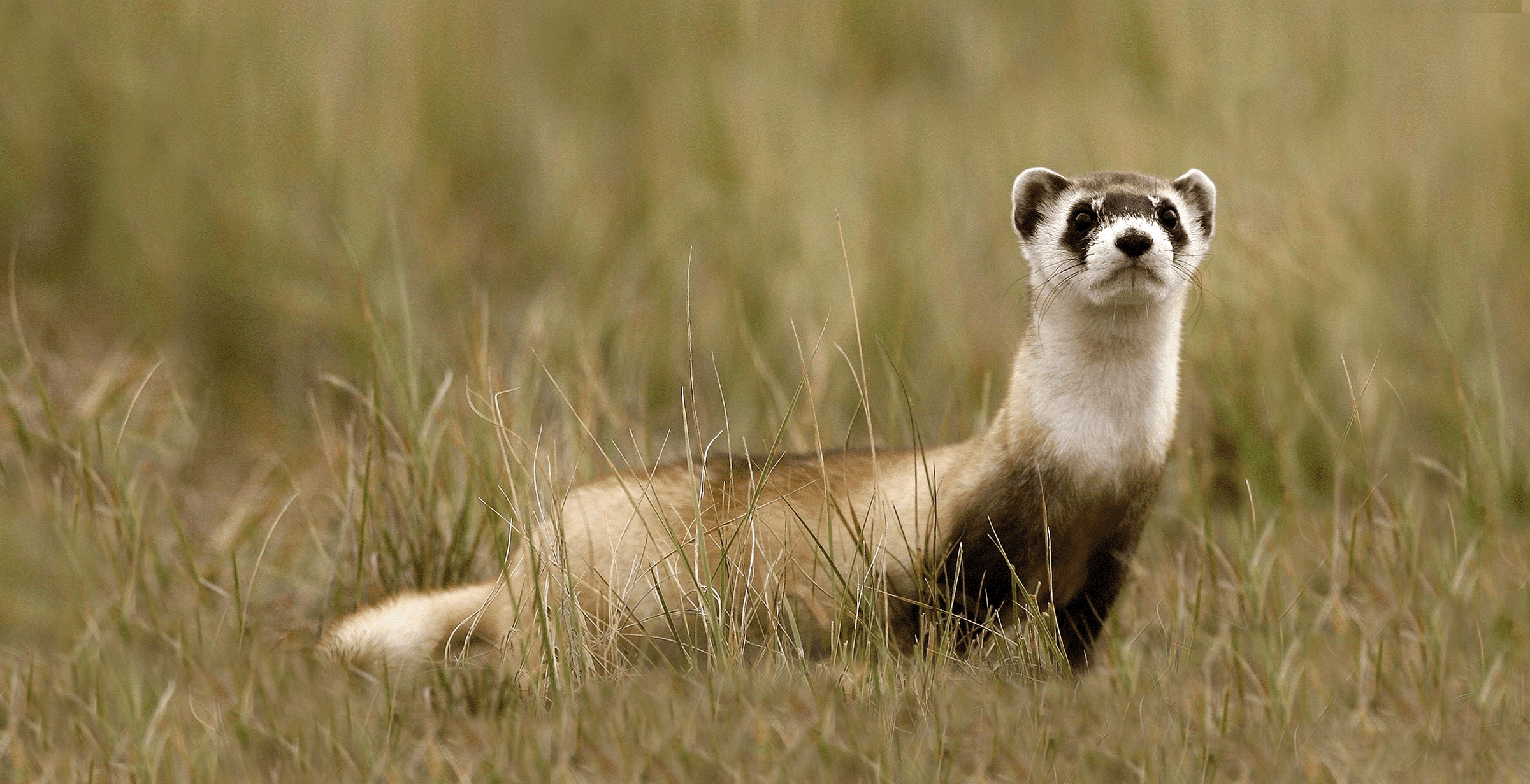
Confronting an uncomfortable truth about the past is necessary if we are to protect wildlife today. Once thought to be extinct in the wild and considered an example of another victim of human expansion, the black-footed ferret’s demise was, however, not the end of its story. The demise of this endangered species occurred within the time frame of living humans and illustrates how current animals face a high level of extinction risk. The black-footed ferret provides an excellent example of how we can better raise animal extinction awareness and future wildlife conservation efforts for preventing or limiting extinction in wildlife.
Table of Contents
Lesson 1: Declared Extinct Does Not Always Mean Gone Forever
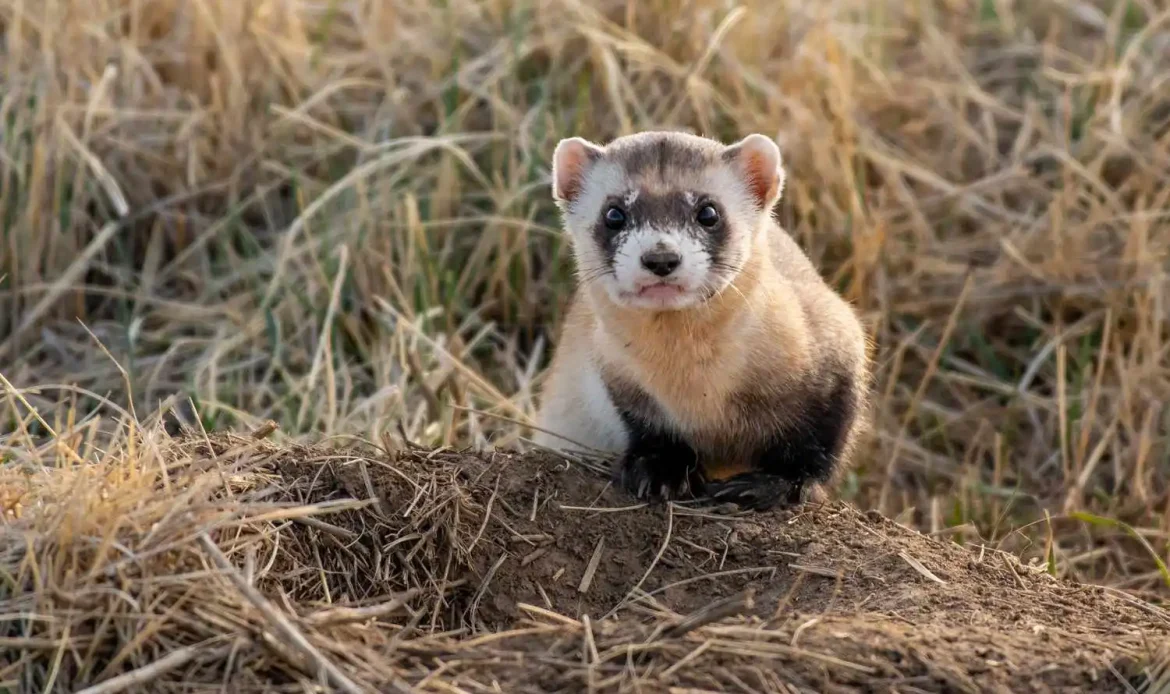
Black-footed ferrets were regarded as extinct in the wild until an unexpected small population was found in Wyoming in the late 20th century, altering our knowledge about endangered species — that nature will prove us wrong if we pay attention.
We cannot depend on luck alone to protect wildlife. Rediscovered species are often few and far between; not many species will get a chance at being rediscovered. The rediscovery of the black-footed ferret reminds us to keep animal extinction awareness alive, even when it seems hopeless.
Lesson 2: Habitat Loss Was the Original Threat
While both hunting and diseases played a role in the decline of the black-footed ferret population, to a large extent, their decline can be attributed to habitat loss. As grasslands were converted for agriculture and urbanisation, prairie dog populations suffered as a result. Since ferrets rely on prairie dogs for food and shelter, the fate of the ferret was sealed by the sequence of events that followed.
This example exemplifies that habitat restoration efforts play a critical role in wildlife conservation. If we want to protect wildlife, we need to ensure that there are intact ecosystems remaining rather than fragmented ones (urbanisation).
Lesson 3: One Species Can Depend Entirely on Another
Ferrets depend on prairie dogs entirely as a food source. After all, if prairie dogs had been poisoned or removed from the area, there would have been no other possible food sources for ferrets. The species connect at a greater-than-individual level illustrates the greater endangered species issue of interconnected species being affected by the removal of another species from their environment.
By raising animal extinction awareness among people, the ability to explain animal relationships is created. The protection of one or more individual species often results in the protection of other species at the same time.
Lesson 4: Disease Can Undo Years of Progress
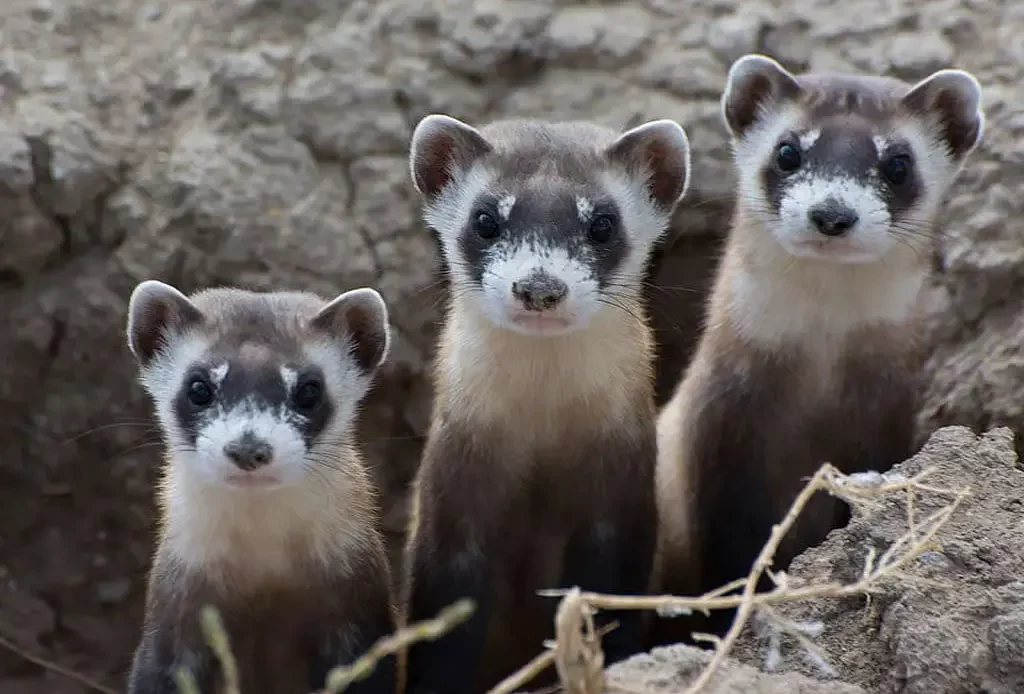
The black-footed ferret continued to struggle even after being found again. Both prairie dogs and ferrets were killed by sylvatic plague and canine distemper. This reminds us that recovery is not permanent because Mother Nature is not controllable.
That’s why strong wildlife conservation programs are important. To protect wildlife through methods like vaccinations, monitoring, and planning for the future is essential if you want to do more than just say you helped with conservation.
Lesson 5: Captive Breeding Was a Last Resort, not a Victory
Conservationists captured ferrets left in the wild and bred them in captivity due to the low population numbers. Breeding ferrets in captivity saved the ferret, but it limited the number of ferrets that could survive using natural methods.
The reality of endangered species is that after a species has reached the endangered species list, the existence of the species relies on human intervention to survive. This is another reason to emphasize the importance of habitat restoration efforts and not create a situation where an endangered species needs to be rescued.
Lesson 6: Reintroduction Is Harder Than Saving Individuals
The decades of work in planning to reintroduce ferrets back into the wild took extensive habitat prep and constant monitoring for ferret numbers (the survival rate of ferrets was low) before many of the reintroduced ferrets died. This series of experiences has reshaped the ways to protect wildlife around the globe. Long term wildlife conservation must be focused on ecosystem health, rather than merely counting the number of individual animals, because reintroducing an individual animal to an area with unhealthy ecological conditions will likely yield little success.
Lesson 7: Public Awareness Came Too Late
The black-footed ferret was near extinction before it became widely recognized. Today, with growing animal extinction awareness, people need to become aware of endangered species before they go through a crisis. Regular and transparent dialogue surrounding endangered species can help prevent future near-extinction events.
Lesson 8: Conservation Success Does Not Mean Safety
The black-footed ferret has made a comeback to the wild but is still considered an endangered species. The future of black-footed ferrets continues to rely on conservation funding, disease management, and continued protection of grasslands.
Because of this, we can see that to protect wildlife, our planet will require an ongoing commitment and conservation work. Without maintaining wildlife conservation and habitat restoration efforts, the progress that has been made could be lost very quickly.
Lesson 9: The Black-Footed Ferret Is a Warning, not a Comfort Story
It is very easy to think of the black-footed ferret as a success story, but rather its story gives us a cautionary tale. The black-footed ferret almost became extinct due to different factors; systems failed, yet people acted in time, barely saving this species.
We need to use this as an opportunity to build animal extinction awareness and how we view endangered species. Waiting until the last second isn’t a plan.
Why This Story Still Matters Today?
At present, the black-footed ferret exemplifies hundreds of other species encountering similar issues as well: habitat destruction and disease combined with a lack of timely responses are threatening wildlife around our planet.
In order to assist in preventing similar occurrences to Black-footed ferrets in the future, with proper investments made to protect wildlife today, based on examples such as this, we can start developing our investments toward raising animal extinction awareness. Investing in both wildlife conservation initiatives and habitat restoration efforts before implementing intervention measures is key to achieving successful outcomes.
Last Words of Encouragement
The black-footed ferret demonstrates to us that the future of a species isn’t automatically going to be decided immediately; it’s going to happen soon, however, when possible, signs of what is wrong are ignored. The black-footed ferret shows us how it is possible to survive and thrive through people acting, even if it is too late to act at that time.
In order to protect wildlife today and in the future, we need to stop viewing stories of animals almost going extinct as being there for us to be inspired by. They should be considered as our instructions. If we increase our support of wildlife conservation efforts, increase our support of habitat restoration efforts, and further educate ourselves about the reality of the extinction of animals, we will be able to prevent other species from getting to that same point. The black-footed ferret gives us a clear and simple message: History does not have to repeat itself, but we must be willing to act before it does.
Frequently Asked Questions
1. Why was the black-footed ferret nearly extinct?
The causes at the root of this issue are habitat destruction as well as declining resources and disease, all due to human decisions regarding how to use land, resulting in today’s endangered species situation.
2. Are black-footed ferrets still endangered?
While population numbers will be present when referred to, they remain dependent upon ongoing wildlife conservation efforts for their continued survival.
3. Why are prairie dogs important to ferrets?
Due to the symbiotic relationship between prairie dogs and ferrets, prairie dogs supply food and shelter, as ferrets cannot survive without prairie dogs, efforts to restore prairie dog populations and, therefore, habitat restoration efforts are essential.
4. What can individuals do to help?
By donating to conservation groups, lobbying for protection of prairie dog habitat, and helping to raise animal extinction awareness and the issues surrounding it through informative conversation.
5. Can other species recover like the black-footed ferret?
Recovery of prairie dog populations is possible, but difficult and will require early intervention, financial assistance and a long-term commitment to protect wildlife.