
Endangered Species Crisis in the U.S. “Almost Erased”: 9 Alarming Red Wolf Facts
The Endangered Species Crisis is not just a global headline. It is unfolding quietly within the borders of the United States, and the Red Wolf stands as one of its most alarming examples. Once roaming freely across the southeastern states, this native predator has been pushed to the edge of existence. Its decline reflects how easily a species can vanish when awareness, policy, and protection fail to align.
The Red Wolf’s story is deeply connected to Animal extinction awareness, because it shows that extinction does not always happen suddenly. Sometimes, it happens slowly, in plain sight, while attention is focused elsewhere. Understanding what went wrong is essential if we truly want to protect wildlife before history repeats itself.
Table of Contents
A Native Predator Forgotten by Its Own Land
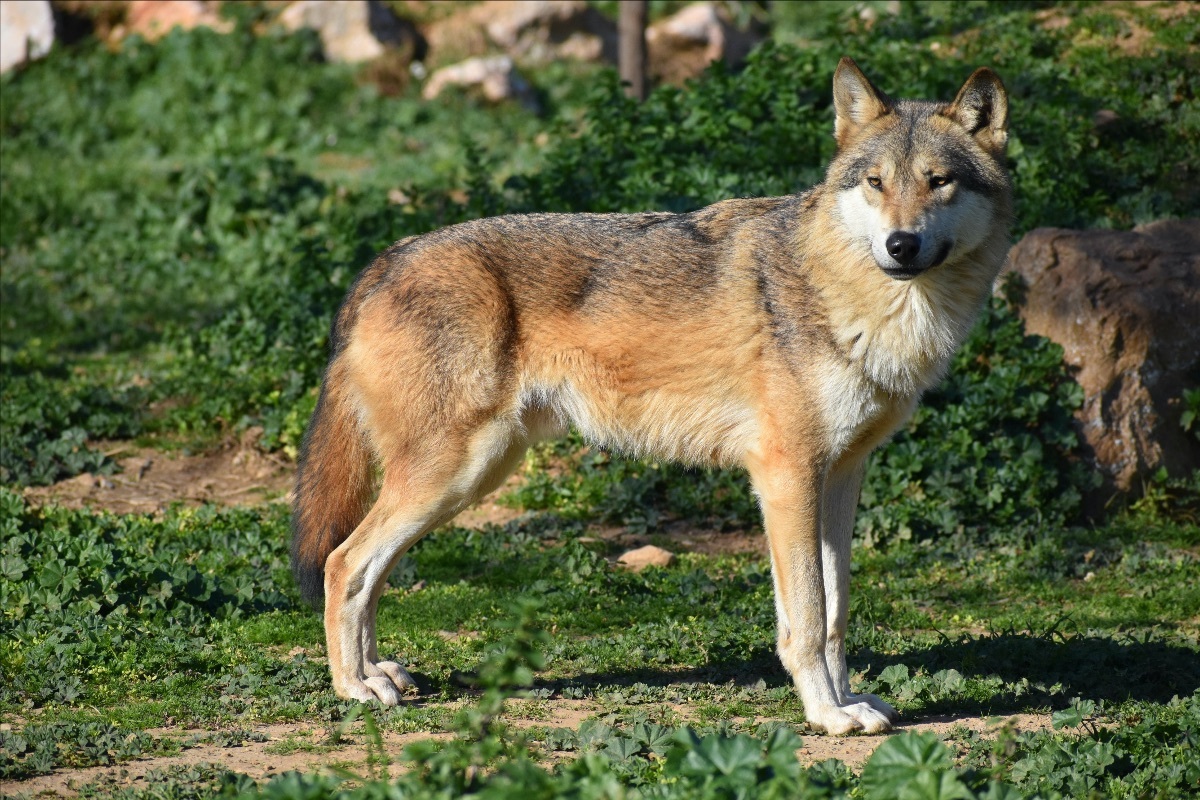
Red Wolves are the only canid species native to the Southeastern United States. Red Wolves were adapted to different habitats such as forested areas, wetlands, and coastal plains, unlike their larger relatives. As a result, red wolves were also maligned and misunderstood, which makes them one of the most endangered species in North America.
The Red Wolves’ Endangered status was created by Fear, Misinformation, and a lack of Education about Ecosystems and animal extinction awareness, resulting in another important factor: educated people can help prevent risks to the extinction of red wolves.
1. Declared Extinct in the Wild Once Already
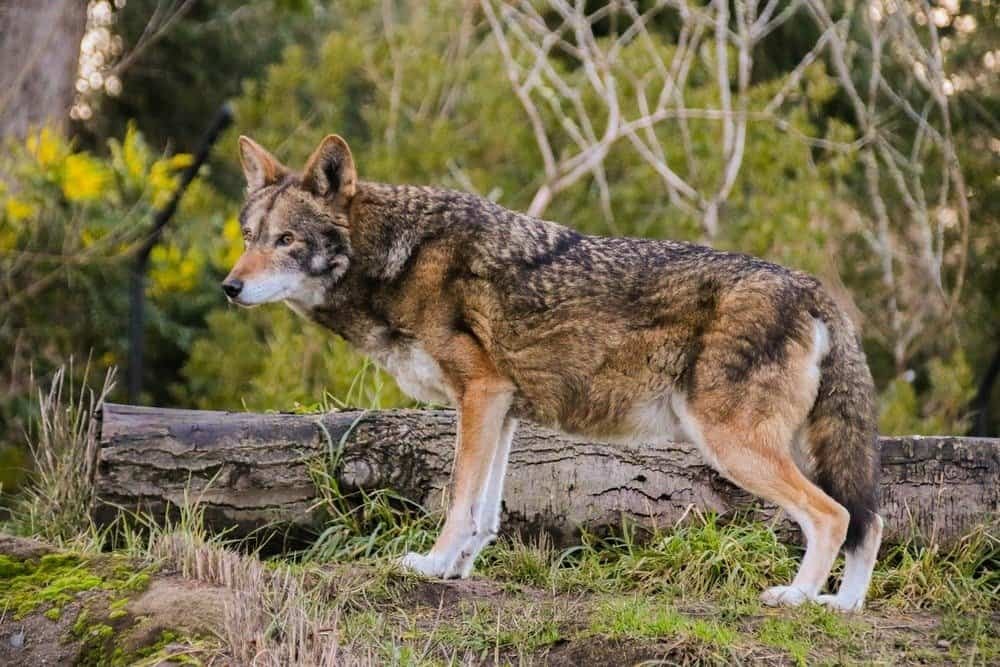
In 1980, the U.S. Fish and Wildlife Service officially declared the Red Wolf extinct in the wild. The declaration shocked many and demonstrated how we were in the midst of an endangered species crisis. Fortunately, some Red Wolves had been captured and placed in captivity before this incident; thus, despite being extinct in the wild, they were able to breed and keep their species alive. This event illustrates how the time frame to intervene must occur before the endangered listing has been applied; it illustrates that if you do not help save wildlife today, it could be too late.
2. Habitat Loss Shrunk the Red Wolf’s World
As agriculture increased and cities expanded, the habitats of Red Wolves were continually lost through the logging of Forests, draining of Wetlands, and loss of Connectivity. Habitat loss continues to be one of the greatest factors contributing to the decline of how we today see a large percentage of the endangered species in North America.
The loss of the natural space will ultimately lead to total extinction. Therefore, habitat protection is at the heart of long-term efforts to preserve and protect wildlife.
3. Human Fear Outweighed Scientific Evidence
For years on end, Red Wolves faced persecution as a result of a series of unfounded fears regarding their potential effect on livestock; scientists knew better, but people believed myths more than they did scientific facts. This cause-and-effect relationship has contributed to an overall awareness of the plight of all predators from an Animal Extinction awareness standpoint.
Fear-based policy decisions have negatively impacted numerous other Endangered Species, supporting the conclusion that Conservation will not succeed without Education and Empathy.
4. Hybridization Became an Invisible Threat
As Red Wolves’ populations decreased to almost extinction levels, they began to mate with coyotes. This cross-breeding diluted Red Wolf genetics, making recovery efforts more complicated and compounding the Endangered Species Crisis.
In addition to hunting and loss of habitat due to human activity, small populations of animals are also threatened by loss of genetic diversity caused by overhunting and habitat destruction, which will make it more difficult for the remaining species to survive in future years. Because of this, early action is vital to help save wildlife.
5. Conservation Efforts Faced Policy Roadblocks
North Carolina has run ostensible Reintroduction Programs which, at one time, appeared to have Real promise; however, inconsistent policies diminished the gains achieved by these programs. Changing, implementing policies, and poor enforceability reduced North Carolina’s ability to effectively protect wildlife.
Wildlife conservation efforts are less likely to succeed when they are dependent solely on political support that is subject to sudden change. Plans that are considered to be successful and appropriate for the Red Wolf recovery effort fail due to political uncertainty.
6. Red Wolves Play a Critical Ecological Role
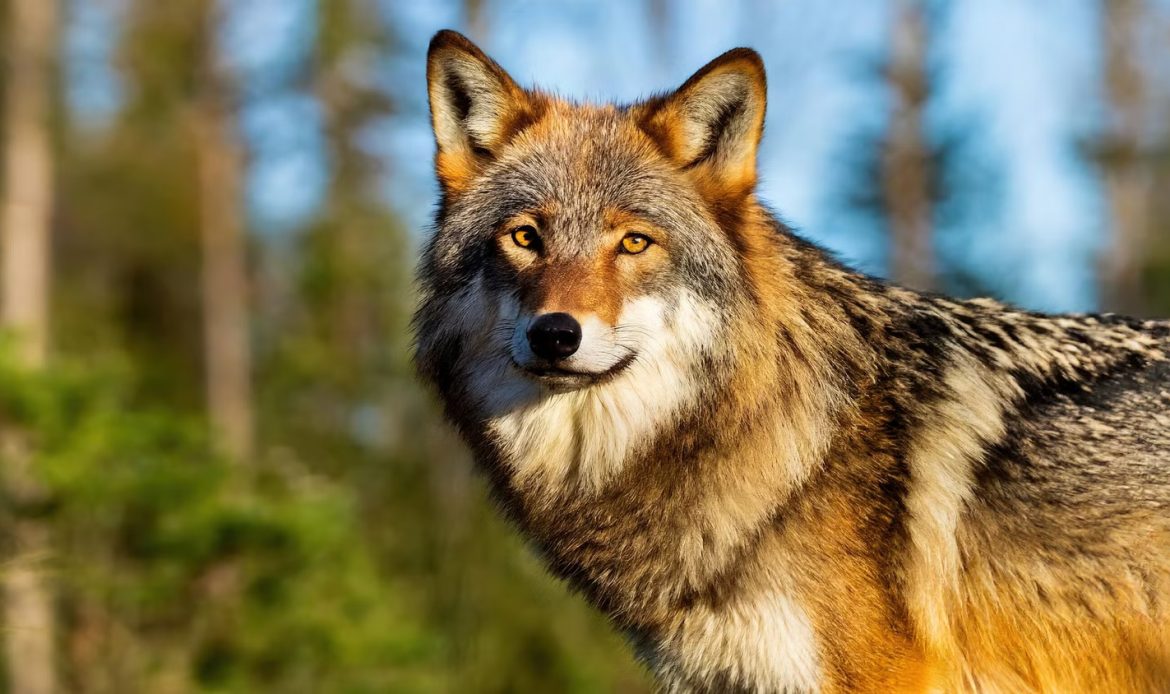
Because they are apex predators, Red Wolves play a significant role in controlling prey abundance and preserving ecological order. Ecosystems without Red Wolves can become unbalanced, leading to negative consequences for both plants and all other levels of the food web, as well as for the soil. Therefore, the preservation of Red Wolves is vitally important to the larger goal of conservation of wildlife.
The protection of predator species should not be confused with emotional considerations, as it pertains to preserving the biological systems upon which all life is dependent, thus contributing to diminishing the Extinction Crisis of Endangered Species.
7. Climate Change Intensifies Existing Threats
The increasing population of Red Wolves on the coast is due to climate change. Because of Climate Change, the Red Wolves are having to contend with all of the Stressors of their environment, as well as the Stress of finding food and shelter. This Stress has made survival very difficult for Red Wolves as well as many other endangered species, who all share Limited Ranges. Without taking Climate Action and taking action to help save wildlife, we will not have enough time to save these Species before they go Extinct.
8. Public Awareness Remains Alarmingly Low
The Red Wolf is an endangered subspecies of Canis lupus (wolf) and due to the lack of exposure, many Americans are unaware of its continued existence. This invisibility leads to less funding for its protection, advocacy, and support for conservation efforts, as well as increasing the gap in animal extinction awareness. When extinction is unknown, it silently occurs. Awareness causes the public to act and protect Wildlife through Collaborative Responsibility.
9. The Red Wolf Reflects a Larger Pattern of Loss
The actions taken against the Red Wolf illustrate how Endangered Species share similar patterns throughout the globe. The slowing down of action, the history of poor enforcement, and low levels of awareness create a continuing cycle with the same results.
The plight of the Red Wolf is not an isolated incident; rather, it serves as a harbinger of what lies ahead for Biodiversity and the ongoing endangered species crisis.
Why does Saving the Red Wolf Still Matter?
Some people have asked, “Does saving one species really matter?” That question has an answer: Ecosystem Interdependence. When an apex predator is extirpated from a particular ecosystem, the entire ecosystem collapses due to the inability of prey animals to maintain balance within their food web. Therefore, animal extinction awareness reiterates that every species plays a valuable role, no matter how abundant or rare they may be.
Red Wolf Conservation will ultimately contribute to protect wildlife in North America through the Red Wolf Recovery program initiatives.
What Individuals Can Do Right Now
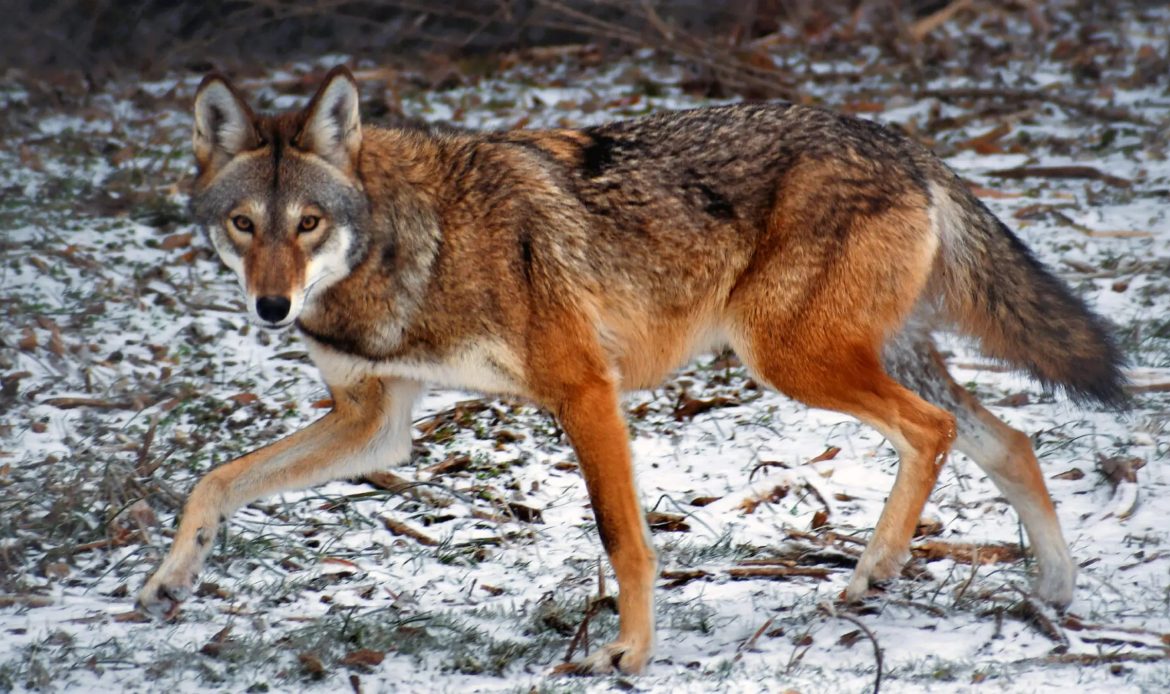
Making a difference in support of wildlife does not require an education in science nor an advanced degree in the biological sciences. Every individual can contribute to help save wildlife through supporting conservation groups, disseminating verified information about endangered species, and advocating for stronger policy initiatives. Working together will create an important force in slowing and ultimately reversing the Endangered Species crisis.
Last Words of Encouragement
The story of the Red Wolf is a serious one. But the Red Wolf’s story is not over. Awareness can forge a new path to avoid extinction; indifference cannot. By choosing to be informed and act with empathy and responsibility on behalf of future generations of endangered animal species, we will help to ensure that our endangered animal species survive into the future. Therefore, if we commit to taking animal extinction awareness seriously today, our future generations will have a viable future where the stories of endangered species like the Red Wolf continue living on in our society instead of being left to silence.
FAQ
· Why is the Red Wolf critically endangered today?
Today’s Red Wolf is critically endangered due to habitat destruction, hunting, hybridization, and inconsistent conservation efforts. With such factors contributing to the Red Wolf’s steep decline, this species serves as a major symbol of our current Endangered Species Crisis.
· How many Red Wolves remain in the wild?
There are probably just a few dozen Red Wolves left in their natural habitat, underscoring the importance to protect wildlife immediately!
· Can the Red Wolf population recover?
If Red Wolves have more laws to protect them, better habitats for them to live and food to eat, and the support of the public that will help save wildlife.
· Why should people care about Red Wolves?
Red Wolves are a major contributor to the ecosystem and their existence is an indicator of how seriously the Human Race is addressing and acknowledging Animal extinction awareness.
· How can individuals contribute to conservation?
By providing support for conservation organizations, helping to provide accurate information about Red Wolves, and advocating for policies that protect Wildlife, people can each play a role in stopping the Endangered Species Crisis.