
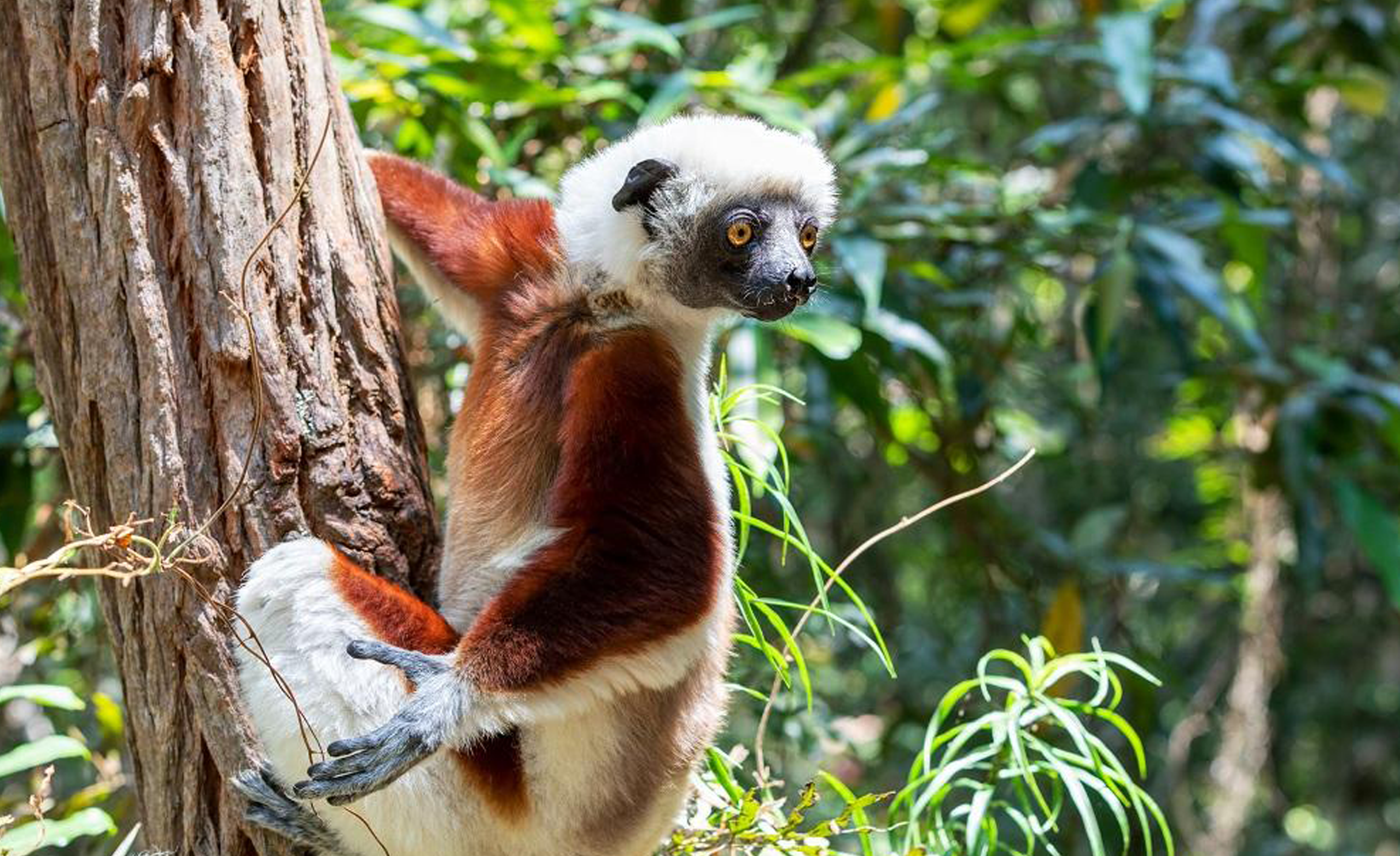
Protect Wildlife or “Watch It Vanish”: 8 Wake-Up Calls from Coquerel’s Sifaka
To protect wildlife today is no longer about distant goals or future pledges. It is about immediate action. Coquerel’s sifaka, a striking lemur found only in Madagascar, is not declining because no one cares. It is declining because caring has not turned into urgency.
This rare primate is officially listed as an endangered species, but its struggle is not loud or dramatic. It is slow, quiet, and dangerously easy to overlook. That is exactly why animal extinction awareness must evolve beyond emotional storytelling. If we fail to protect wildlife now, Coquerel’s sifaka will not disappear with warning signs. It will simply be gone.
Table of Contents
What follows are eight uncomfortable truths. Each one exposes where modern wildlife conservation is failing and why Coquerel’s sifaka has become a warning signal we cannot afford to ignore.
- If we act to protect wildlife too late, then protection becomes meaningless
Coquerel’s sifaka did not suddenly become an endangered species. Its decline has been unfolding for decades. Forests were cleared gradually. Hunting pressure increased quietly. Human expansion crept forward inch by inch.
The problem is not a lack of information. Scientists have warned us for years. The problem is timing. We talk about protecting animals once their numbers are already fragile. By the time policies arrive, populations are already struggling to survive.
If we truly want to protect wildlife, intervention must begin when species are stable, not when extinction is already knocking.
- Habitat loss is the fastest way to erase wildlife
Coquerel’s sifaka depends entirely on Madagascar’s dry deciduous forests. These forests are not just home. They are food sources, shelter, breeding grounds, and protection from predators.
Deforestation for agriculture, logging, and charcoal production has shredded these habitats into fragments. When forests disappear, sifakas cannot simply relocate. They are territorial, specialized, and deeply tied to their environment.
You cannot claim to protect wildlife while allowing habitats to vanish. Habitat loss remains one of the most significant challenges to the survival of this species.
- Small populations collapse faster than we admit
When numbers drop low, recovery becomes exponentially harder. Coquerel’s sifaka now exists in scattered groups with limited genetic diversity. This creates breeding challenges, higher disease risk, and weaker resilience to environmental change.
Every death matters. Every lost infant shifts the future. This is the brutal reality of an endangered species living on the edge.
Real animal extinction awareness means understanding that small populations do not fail gradually. They collapse suddenly.
- The phrase Protect Wildlife means confronting human behaviour, not blaming nature
It is easy to blame climate patterns or natural predators. It is harder to admit that human behaviour is the driving force behind decline.
Illegal hunting, even at small scales, has devastating consequences for sifaka populations. Roads cut through forests. Human settlements expand. Resource extraction continues.
If we are serious in to protect wildlife, we must stop pretending extinction is a natural process. It is not. It is a direct result of human decisions.
- Wildlife Conservation without community interference does not work
One of the biggest mistakes in wildlife conservation is ignoring local communities. People living near sifaka habitats are not villains. They are often trying to survive with limited options.
Successful conservation programs in Madagascar now focus on community involvement. Sustainable farming, education, and alternative income sources reduce pressure on forests.
To protect wildlife, people must see value in protection, not punishment. Conservation that excludes humans always fails.
- Climate stress is accelerating wildlife survival challenges
Changing rainfall patterns and rising temperatures are altering Madagascar’s ecosystems. Food availability is becoming unpredictable. Trees flower and fruit at different times, disrupting feeding cycles.
For a species already classified as an endangered species, climate stress multiplies risk. This is no longer just a biodiversity issue. It is a climate issue.
Ignoring climate impact while claiming to protect wildlife is intellectual dishonesty.
- Awareness without action is silent extinction
Social media has increased visibility, but visibility alone does not save lives. Animal extinction awareness campaigns that stop at sympathy do not protect a single sifaka.
True animal extinction awareness demands uncomfortable accountability. Who funds habitat protection? Who enforces laws? Who measures outcomes?
If awareness does not change behaviour, funding, or policy, it becomes noise. To protect wildlife, awareness must drive action.
- Losing one species reshapes entire ecosystems
Coquerel’s sifaka is not just another lemur. It plays a vital role in seed dispersal, forest regeneration, and ecological balance.
When a species disappears, ecosystems unravel. Forest health declines. Other species suffer. Human communities eventually feel the impact too.
Protecting this lemur is not charity. It is a defence ecosystem. To protect wildlife is to protect systems that support life itself.
Why does Coquerel’s Sifaka Matter Beyond Madagascar?
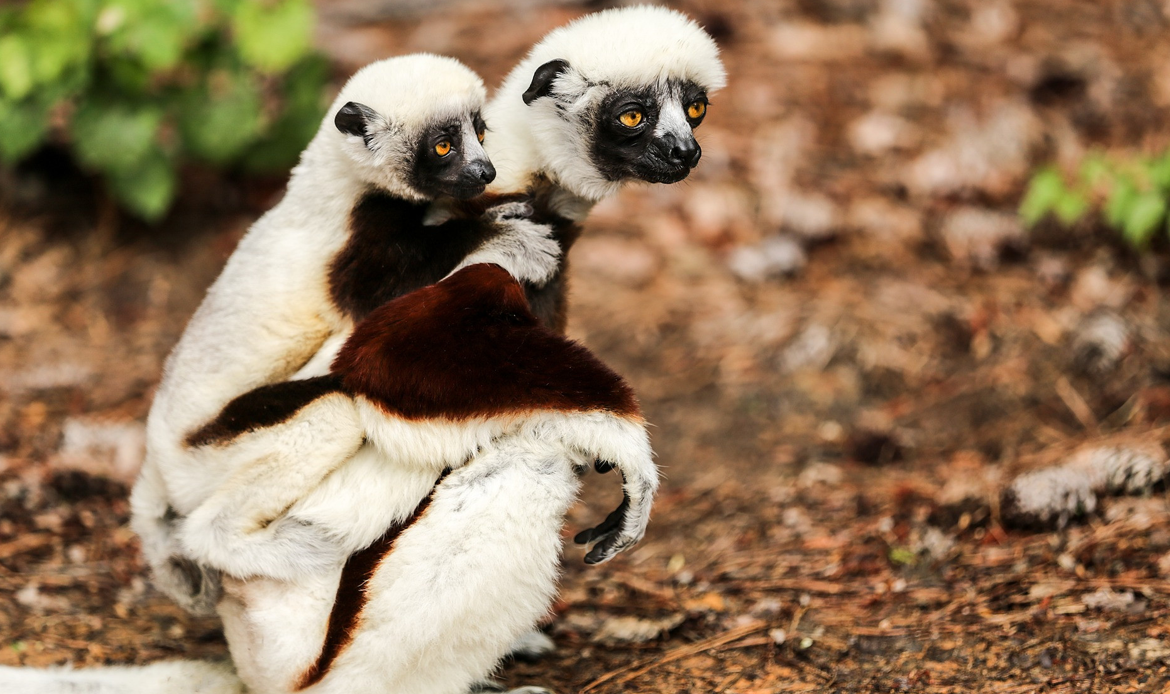
The immediate perception of Coquerel’s sifaka situation is as a local issue. In fact, it is indicative of a larger, global pattern of species loss. Across the globe, endangered species have continued to decline because of delays in the implementation of remedies or solutions. The same patterns are seen anywhere that endangered species have been struggling: late interventions, weak enforcement and inadequate funding for conservation programs. Therefore, if we cannot protect wildlife in regions of high biodiversity like Madagascar, it raises serious questions regarding our true global priorities.
What Does Real Wildlife Conservation Look Like?
Wildlife conservation should not be a symbolic act; it requires practicality, measurement, and perseverance.
Effective wildlife conservation includes:
- Protection of all remaining forest ecosystems
- Long-term funding for conservation rather than a series of short-term campaigns
- Local communities taking the lead in conservation planning, implementation and evaluation
- Continuous monitoring and adaptive management using scientific principles.
More than all else is the necessity of urgency; species do not wait for ideal responses.
To protect wildlife, we must anticipate and address the threats.
How Can You Protect Wildlife Starting Today?
You do not have to be a resident of Madagascar to make a real impact. The choices we make as individuals are far more significant than we often think they are.
You can:
- Help organizations that are dedicated to protecting sifaka habitats
- Educate yourself & others about animal extinction awareness through reputable resources
- Support products that are not linked to deforestation
- Promote legislation that addresses climate change and its effects on wildlife
- Provide funding to restore wildlife habitats
Protecting one species sends ripples through entire ecosystems. Every effort to protectwildlife counts.
Last Words of Encouragement
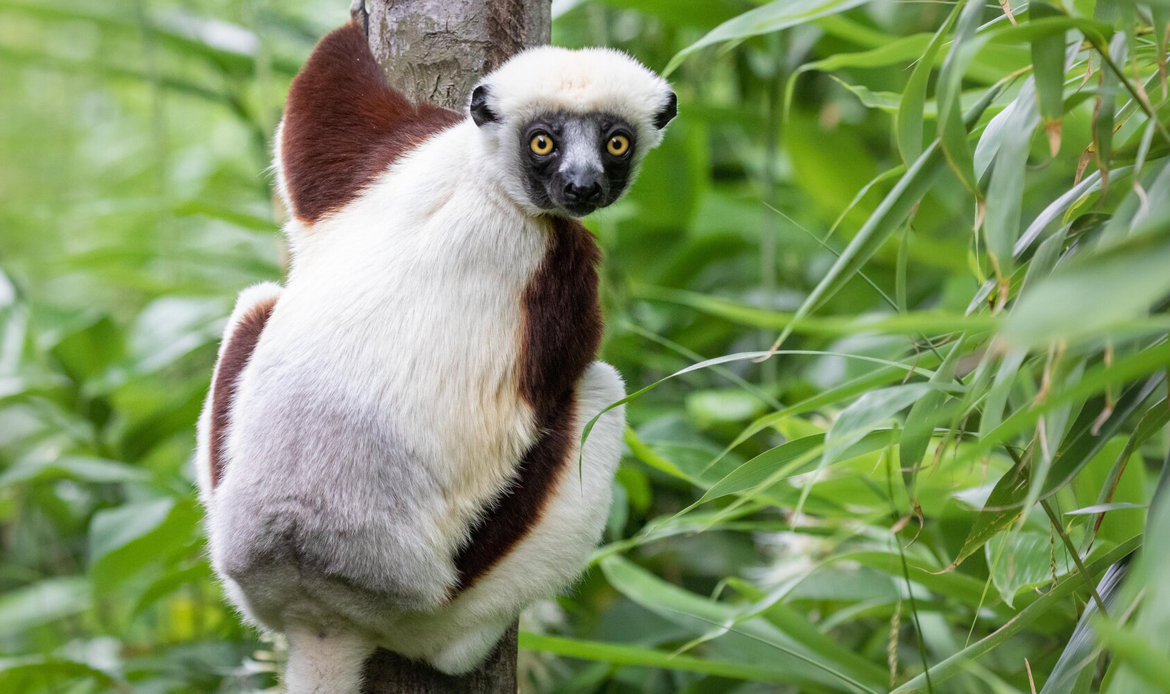
The Coquerel’s Sifaka is alive and well, but its continued existence rests on our actions now. If we don’t act, then Coquerel’s Sifaka could become extinct. The question is blunt: will we act while we can still make a difference? To protect wildlife means taking responsibility rather than taking the easy way out, choosing to act immediately instead of waiting until tomorrow, and taking action instead of simply having an awareness of wildlife. We will learn about what people are made of by what happens to Coquerel’s Sifaka through time.
FAQs
1. Why is Coquerel’s sifaka considered an endangered species?
Coquerel’s sifaka is classified as an endangered species due to severe habitat loss, hunting pressure, and climate stress. These factors combined create extreme wildlife survival challenges.
2. How does protecting this lemur help wildlife conservation overall?
When we protect wildlife like Coquerel’s sifaka, we also preserve forests, biodiversity, and ecosystem balance. This strengthens broader wildlife conservation efforts.
3. What role does animal extinction awareness play in protection?
Animal extinction awareness helps people understand urgency, but it must lead to funding, policy change, and behaviour shifts to truly protect wildlife.
4. Can local communities help protect wildlife effectively?
Yes. Community-led conservation is one of the most successful strategies to protect wildlife, especially when livelihoods are aligned with environmental protection of the endangered species.
5. Is it too late to save Coquerel’s sifaka?
No. But the window is closing. Immediate, sustained action is the only way to protect wildlife and prevent permanent loss.