8 Alarming Truths Animal Extinction Awareness Must Acknowledge to Save the African Penguin
When we think of penguins, we often envision cute, friendly, innocent animals who are far removed from us. But the African Penguin has a completely different story to tell. Underneath all the happy photos and tourism commercials lies a penguin species that is quietly edging towards extinction. True animal extinction awareness requires us to go further than just telling the story on the surface; it requires us to look deep into the human psyche and address unrecognized, uncomfortable truths that we seldom discuss.
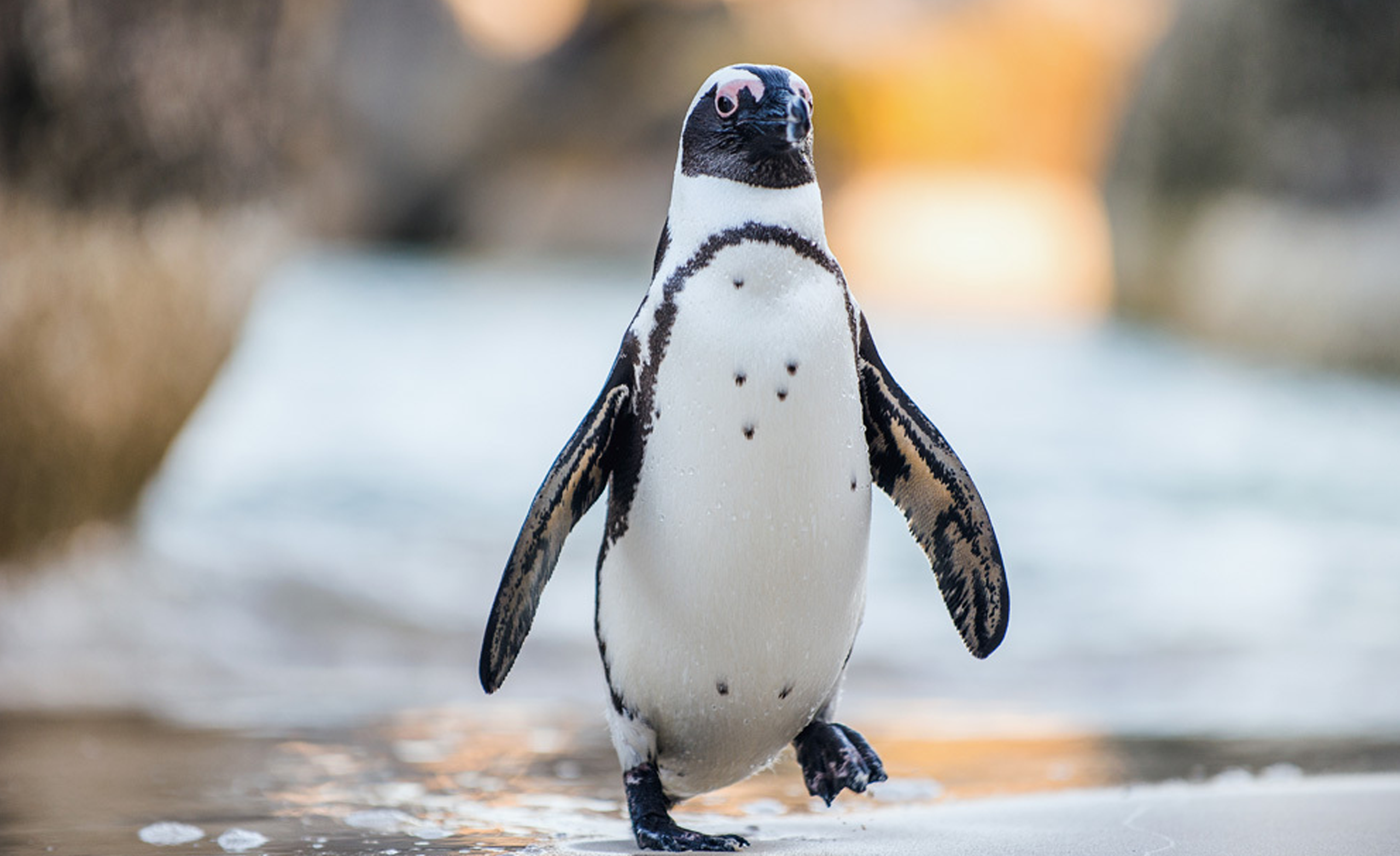
African penguins (also known as Jackass Penguins) are now one of the fastest-declining seabird species on the planet. The decline of this species is not happening grandly. There is no media coverage of mass die-offs or images that go viral; rather, there is steady attrition of African Penguins along the southern African coasts of South Africa and Namibia. The very fact that there has been little information available regarding this unspeakable extinction tragedy has caused many to think of African Penguins as something less than the critically endangered species that they really are.
The following are eight facts that are seldom discussed about the relationship between extinction, endangered species, and the collective responsibilities of society to protect wildlife in the 21st century.
Table of Contents
1. Climate change is not the only reason the African penguin is facing extinction
Although climate change is having an effect on oceans throughout the world, the impacts that affect the African penguin are more specific. A lack of food (due mainly to industrial fishing) is the primary reason for the decline of the African penguin. Food sources such as sardines and anchovies are being removed much faster from marine ecosystems than they can replace themselves.
As a result of this, the African penguins must expend more energy and swim longer distances to find food. Eventually, reproductive failure occurs and chicks die from starvation and adults become weak due to a lack of food source availability. This illustrates how the animal extinction awareness movement tends to simplify complex issues.
2. The Principle of Hunger over Executioner
People often envision sharks & seals as the greatest threat to Penguins; however, in actuality, 90% or more of Penguins die from starvation, not predation. Penguins swim well and while some species have adapted to become the fastest animals in the world, starvation can overtake all species if the food supply chain fails. This truth forces us to rethink how we define wildlife conservation. Saving animals isn’t always about fences, rescues, or sanctuaries. Sometimes, it’s about managing invisible systems, such as fisheries and ocean policy.
3. The population crash is happening faster than most people realize
The population of the African Penguin has decreased by over 95% in the past 100 years, but they are not often seen in the global extinction headlines. Extinction today is not what it used to be; today, extinction looks like empty nests, empty beaches, and fewer tracks in the sand – it takes time for extinction to occur. That is why animal extinction awareness must change. Waiting for big moments is too late to take action.
4. Tourism helps and harms at the same time
Penguin tourism provides funding, education, and visibility. However, unregulated tourism is a source of enormous pressure on the animals via noise, crowds, and constant human presence. The animals are both physically and psychologically stressed by these factors. To truly protect wildlife, we need to create a balance between awareness and preserving wildlife via controlled tourism; otherwise, we add another pressure point to an already overburdened and endangered species.
5. Conservation laws exist, but enforcement is weak
While African penguins are considered protected legally on paper, actual enforcement has variable success and support from government enforcement officials. There are overlaps between fishing and feeding areas for the penguins. Regulations are delayed, which allows for economic interests to outweigh the ecological need for protection. The gap between legislation and enforcement represents perhaps one of the least discussed reasons as to why campaigns to save endangered animals fail. Without enforcement, the protection of endangered species is merely messaging.
6. African penguins are ecosystem indicators
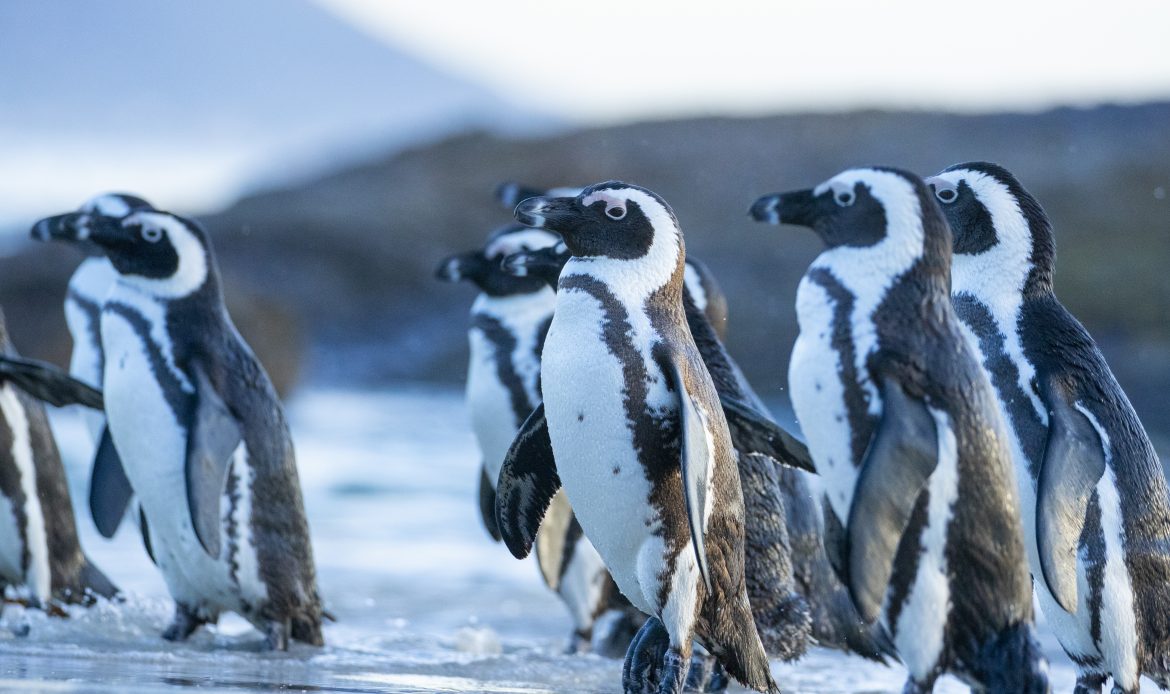
Penguins can indicate negative environmental conditions in the sea before they happen—this is one reason for their decline in numbers. They are indicators of fish stocks that have collapsed, changes in the water’s temperature, and a breakdown of the marine ecosystem’s balance. By ignoring penguins, we end up ignoring the early warning sign. Listening for these indicators and acting on them to prevent the collapse of the ecosystem is an essential component of wildlife conservation efforts.
7. Captive breeding is not a long-term solution
African penguins have not been successfully bred in captivity due to their reliance on open ocean waters to forage and live in large coastal systems. As such, realizing that not every species can be conserved in a captive setting brings to light a different approach to save endangered animals. Some species may only be able to exist in the wild if we restore their natural habitat to what it once was.
8. Extinction doesn’t always come with urgency, just neglect
An uncomfortable truth about the plight of the African penguin is that they are not going extinct due to a lack of solutions; rather, they are going extinct due to the fact that action is taking a long time and is disjointed and politically incorrect to do anything about it. This is where we are failing with modern-day animal extinction awareness; we are aware after the damage has been done instead of raising awareness while it is still possible to prevent it.
Why the African Penguin’s story matters beyond penguins?
The African Penguin serves as an example of a different type of extinction story than traditional extinction narratives, which are often centred around a villain or some other kind of evil influence. Instead, the African Penguin illustrates how we are consistently failing to protect even the most visible and studied species due to our own policies, lack of understanding and economic priorities. If the most visible of all endangered species cannot be saved from extinction, then we are not doing enough to save less visible and less studied species from extinction, and this is a clear example of why penguins are so important; they are not popular just because they look cute, they are popular because they show how broken the current global approach to wildlife conservation actually is.
What would real protection look like?
To truly protect wildlife, solutions must move beyond surface-level actions:
- Protection through No Fishing Buffers placed in Breeding Colonies.
- Reporting on fishery quotas based on scientific data.
- Stronger enforcement of laws that have already been enacted.
- Comprehensive Climate Resilient Marine Planning for 21st Century Solutions.
- Public Engagement by Holding Officials Accountable for their Actions and Not just educating the public through Awareness Campaigns.
Although none of these solutions are emotionally charged, each saves lives and that is what matters the most.
How can individuals actually help save endangered animals?
You don’t have to be a resident of the coast to have a positive impact on the Ocean:
- Support groups that are fighting for a reformed Fishery.
- Share accurate information about Ocean problems (not just emotionally-based stories).
- Challenge practices of tourism that are not beneficial to sharks.
- Support policies regarding the Ocean and sharks based on scientific evidence.
These are ways to put the beliefs regarding animal extinction awareness (and Ocean degradation) into action.
Last Words of Encouragement
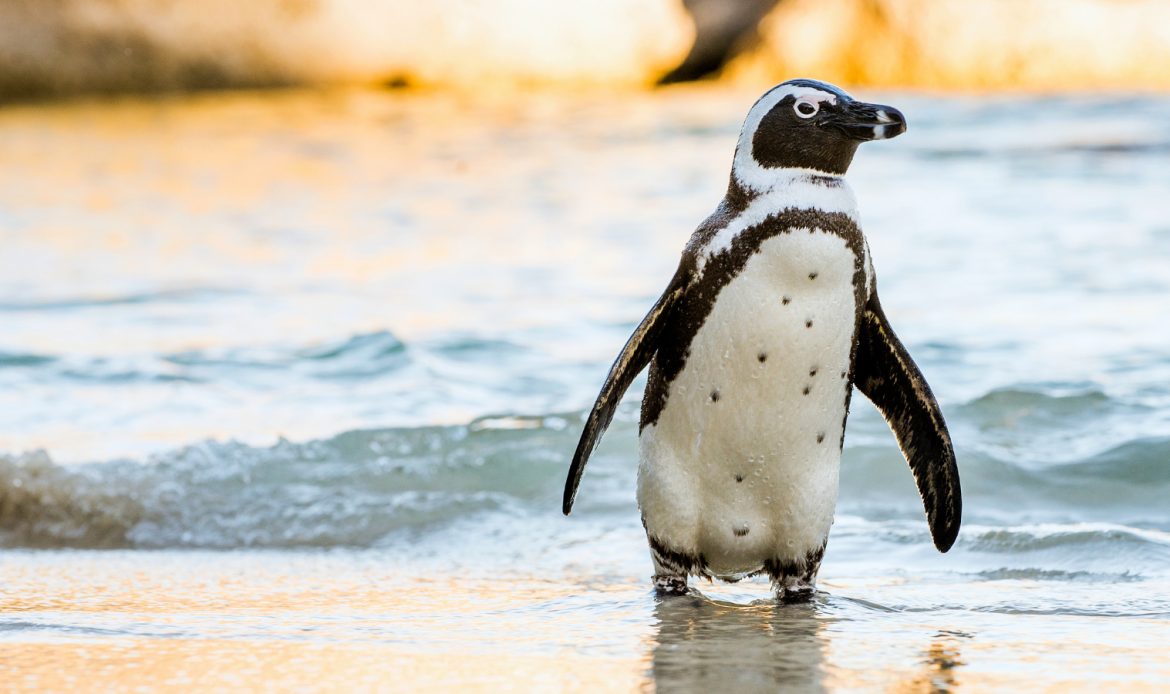
The African penguin’s decline was not due to anything beyond our making choices. Therefore, it can be changed by our choosing otherwise. True animal extinction awareness is not about being sorry for an animal. It is about knowing how systems work, challenging convenience, and demanding better options. By choosing to save endangered animals, we are preserving not only the balance between species, but also the concepts of responsibility and all future areas of life that require that there are healthy oceans. Awareness has no value unless it has an action associated with it. Here is an opportunity for your action.
FAQs
1. Why is the African Penguin considered an endangered species?
The African penguin is listed as an endangered species due to its sharp decrease in population over the years, due to fishing activities and lack of animal extinction awareness, leading to the decline of ocean wildlife habitat. Climate-based shifts have also created a very unfavourable environment for many oceanic species and it is clear that there has been a continuing failure to protect wildlife and take action for wildlife conservation.
2. What is the difference between the African Penguin and the Jackass Penguin?
The African Penguin and Jackass Penguin refer to the same type of animal. The nickname for them comes from the loud noise they make, similar to that of a donkey. It is important to include this distinction in animal extinction awareness programs, as there are many people who are not aware that the two names refer to the same endangered species.
3. How does wildlife conservation help save the African Penguin?
Effective wildlife conservation focuses on restoring fish stocks, creating no-fishing zones near breeding colonies, and protecting nesting habitats. Without these ecosystem-level efforts, attempts to save endangered animals like the African Penguin will fail, even with rescue centres and monitoring programs.
4. Why is overfishing a bigger threat than predators for this species?
In contrast to natural predators, the African Penguin suffers from overfishing because it completely eliminates the bird’s primary source of food. Consequently, adults need to forage further away from their breeding colony, thereby exposing their chicks to predation. According to animal extinction awareness, when the food supply fails, no amount of wildlife conservation will prevent extinction.
5. How can individuals help protect wildlife like the African Penguin?
Supporting sustainable seafood choices, supporting organizations committed to wildlife conservation, promoting correct animal extinction awareness through social media and other means and encouraging better and stronger laws on fishing are ways individuals can assist in the fight to save endangered animals and improve stability within our oceans.