
Endangered Species on a Forbidden Island and the Golden Lancehead Pit Viper’s Uncertain Fate
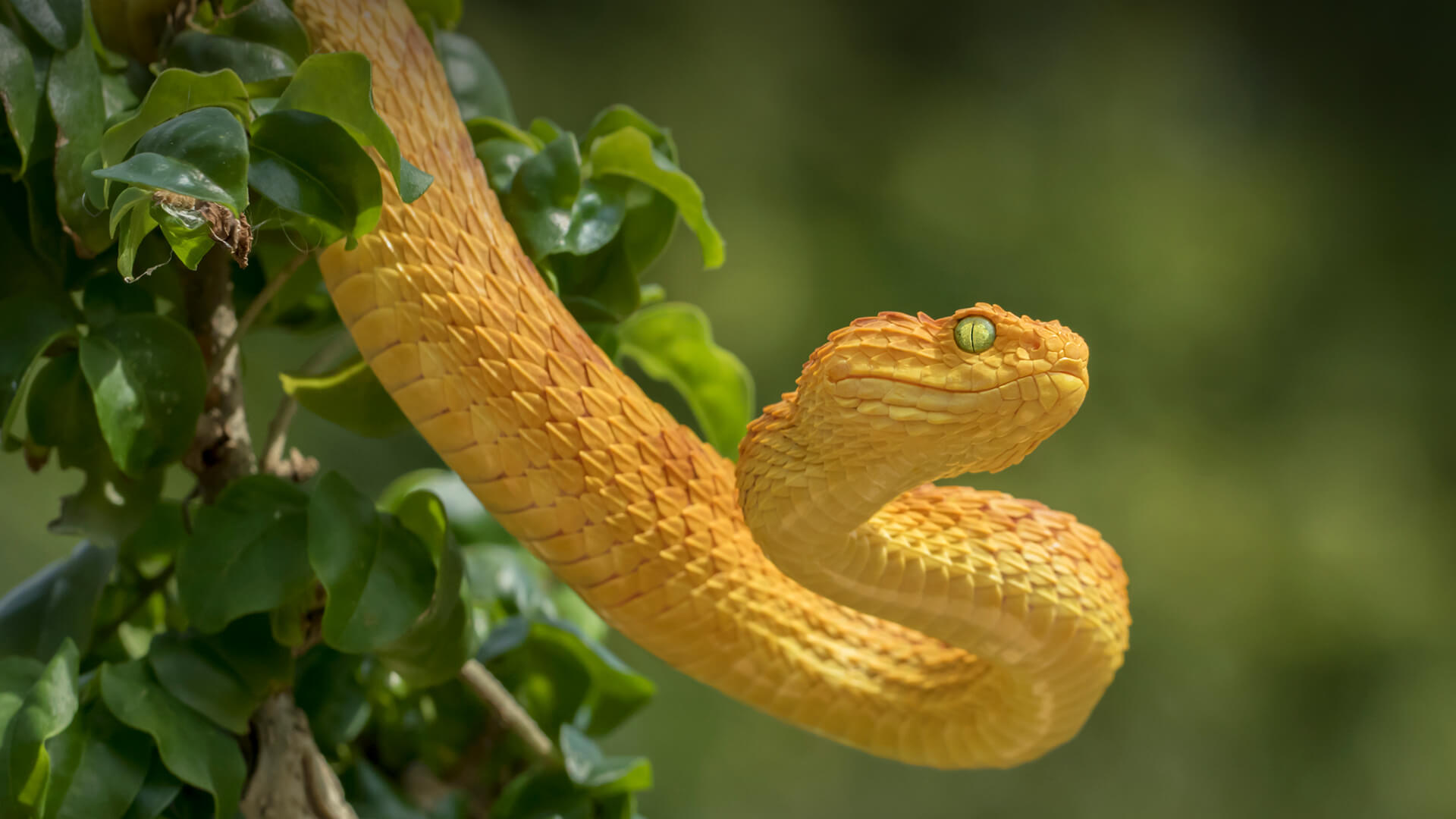
The Golden Lancehead Pit Viper has been dubbed one of the most enigmatic and dangerous reptiles on Earth. This snake can only be found on Ilha da Queimada Grande, a small Island located off the coast of Brazil. Because of the snake’s extreme venom level, isolation, and critically low number of individuals left on Earth, the island is closed to visitors. For this reason, this snake is classified as one of the most endangered species in the world.
The Golden Lancehead Pit Viper serves as an important reminder that we all need to take immediate action in order to save our planet through wildlife conservation. Each person, regardless of their location, has an obligation to protect wildlife, even in places they cannot easily reach.
Table of Contents
The Unique Life of the Golden Lancehead Pit Viper
The evolution of the Golden Lancehead Pit Viper occurred in isolation over thousands of years, and as a result of limited predators (no Wild Pigs) and limited Prey Base (only birds migrating through the Island), the snake has become very specialized for its survival. The snake has a very potent toxin in its venom system and survives exclusively via birds to the island. In the absence of these birds, the species cannot survive.
The Golden Lancehead Pit Viper is considered an endangered species, as the snake is confined to a small, isolated habitat. One major environmental perturbation (disease outbreak, major storm, disruption) could wipe out the entire population. This is where wildlife survival challenges become critical: species living in such isolation face risks that widespread populations rarely experience.
Why is the Golden Lancehead Pit Viper Endangered?
1. Habitat Limitation due to the Seascape
With only 43 hectares of island habitat that supports the viper, this makes for one of the smallest geographic distributions for any endangered species. The continued existence of the viper depends entirely upon maintaining this fragile ecosystem. Any disturbances (e.g., deforestation, climate change, or changes in bird migration patterns) could impact the availability of food. When a species’ habitat is this limited, wildlife conservation efforts must focus on protecting the entire ecosystem, not just individual snakes.
2. The pressure due to the illegal wildlife trade
Although Snake Island is protected by law, several illegal collectors are taking advantage of the Golden Lancehead Pit Viper due to its rarity and for its venom. The loss of just a small number of individuals could have devastating consequences. Every individual is critical to maintaining the viability of populations of endangered animals with very small numbers. Combating this threat is a key aspect of protecting wildlife strategies, including patrols, monitoring, and legal enforcement.
3. Environmental Instability and Climate Change
We are concerned about the changing weather patterns associated with increased storms, climate warming and altered patterns of rainfall. Unpredictability in the timing and quantity of precipitation will impact the prey species and the reproductive cycle of the snake. The stress of Wildlife survival challenges like climate change is magnified for isolated species that do not have the ability to migrate to safer locations; therefore, the case of the Golden Lancehead Pit Viper is particularly important to understand in relation to the impact of climate on isolated species.
Why is Wildlife Conservation Challenging on Forbidden Islands?
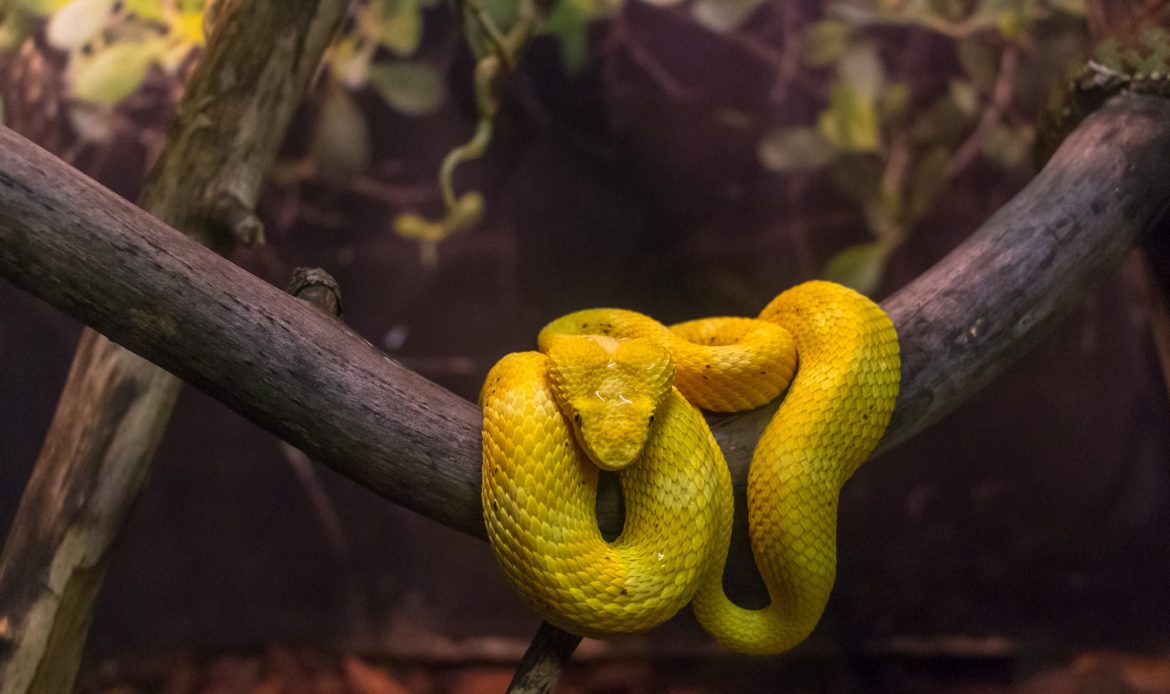
Protected Area Management, Breeding Programs or the relocation of wildlife species are conventional conservation measures that cannot be implemented for the Golden Lancehead Pit Viper. Due to stringent constraints on human access to Snake Island, even a single disruption could threaten the viper’s fragile ecosystem.
The Golden Lancehead Pit Viper is one of many examples of why continued and increased animal extinction awareness is so critically important. While many endangered animals can be saved through direct intervention methods, indirect conservation is required for some species (e.g., monitoring, enforcing laws and regulations related to the trade of animal products, researching, etc.).
How Does Protecting One Species Help Many Others?
Protecting wildlife on Snake Island includes all species on Snake Island, such as birds, insects, and plants that call Snake Island their home, just like the Golden Lancehead Viper. By conserving one endangered species, you are conserving all the endangered animals in that ecosystem.
By maintaining and enhancing that habitat, it will be possible to save the entire ecosystem in an interrelated manner. The principle behind wildlife conservation is that by saving an endangered species, there will be a positive effect across an entire ecosystem, thus helping to maintain the biodiversity and the balance of nature.
Lessons from the Golden Lancehead Pit Viper About Wildlife Survival Challenges
The Golden Lancehead Pit Viper teaches important lessons regarding the wildlife survival challenges:
- Risk increases through isolation: Species that exist within small geographical areas are much more at risk.
- Prevention is preferred over intervention: If habitats are protected earlier, a crisis will be prevented.
- Human activities can create extinction threats: Not only illegal collection, but also curiosity could be a major threat to the very existence of a species.
Learning these lessons will better assist conservationists in developing a successful conservation strategy for any species with similar threats.
Practical Ways to Support Wildlife Conservation
Even if you cannot set foot on Snake Island, you can help save endangered species and protect wildlife globally:
- Support scientific research: Fund scientific research by funding non-invasive population monitoring and habitat health assessments.
- Strengthen laws: Support the establishment of laws that eliminate illegal wildlife trade.
- Raise awareness: Advocate for awareness of the plight of the Golden Lancehead Pit Viper so that other people will become informed and concerned.
- Promote ecosystem restoration: Promote restoration of ecosystems and habitats to assist with protecting and restoring habitat for isolated species.
Each of these actions reinforces global wildlife conservation efforts and addresses wildlife survival challenges.
Why does the Golden Lancehead Pit Viper’s Story Matter?
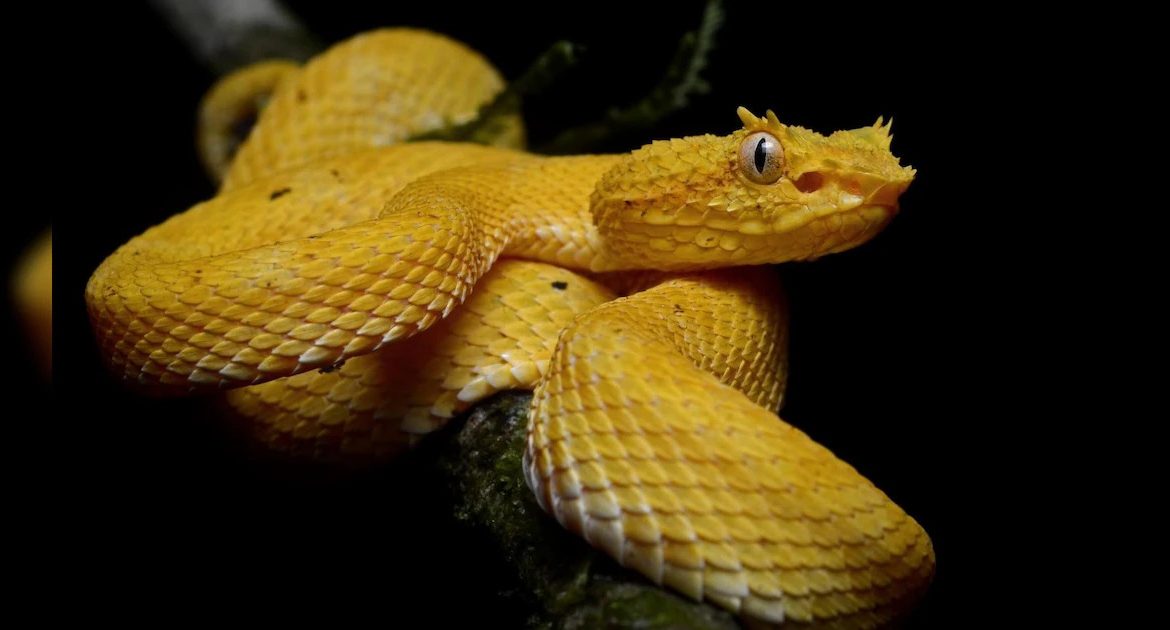
The Golden Lancehead Pit Viper has demonstrated to us that although it may be living in isolation from everything else around it, there is still hope for the survival of endangered species because they can endure through extreme environmental conditions if people take care of their environment and protect them. The protection of these types of reptiles is not just about protecting the snake itself; it will help to maintain a natural habitat and protect the planet’s biodiversity, as well as help maintain the balance of nature itself.
Last Words of Encouragement
The Golden Lancehead Pit Viper lives on a forbidden island, yet its story belongs to the world. By choosing to protect wildlife, supporting wildlife conservation, and raising animal extinction awareness, each of us can contribute to the survival of this and other endangered species.
Every small action counts. Donations, advocacy, and education can make a difference. Saving endangered species is not just a scientific effort—it is a responsibility we all share.
FAQs
1. Why is the Golden Lancehead Pit Viper an endangered species?
It exists only on Snake Island, facing habitat limitations, climate instability, and illegal trade. These wildlife survival challenges make it highly vulnerable.
2. Can conservationists relocate this species?
Relocation could disrupt the ecosystem and reduce survival chances. Wildlife conservation focuses on protection and monitoring rather than direct intervention.
3. How does animal extinction awareness help protect species?
Raising animal extinction awareness drives funding, policy changes, and public support for endangered animals.
4. How does protecting one species benefit other wildlife?
Conserving the Golden Lancehead Pit Viper also protects its prey, plants, and insects, strengthening wildlife conservation across the ecosystem.
5. How can individuals contribute to protecting wildlife they may never see?
Support conservation organizations, educate others, and advocate to protect wildlife globally. Every action helps endangered species survive.