
Wildlife conservation must move faster as the Siberian Crane runs out of flyways
Wildlife Conservation has become even more critical when compared to the Siberian Crane. The Siberian Crane is known for its beauty, strength and for being one of the bird species that migrates the farthest from home each year. Unfortunately, there are only small numbers remaining in the world, and with each passing year, it becomes more hazardous for them because their flyways are continuously being destroyed. The Siberian Crane is labelled an endangered species, but the facts indicate that the likelihood of extinction is much more significant than most people realise. The future of the Siberian Crane is dependent on how fast we can protect wildlife, restore wetland habitats, and be prepared to act for the growing effects of climate change and wildlife disturbances.
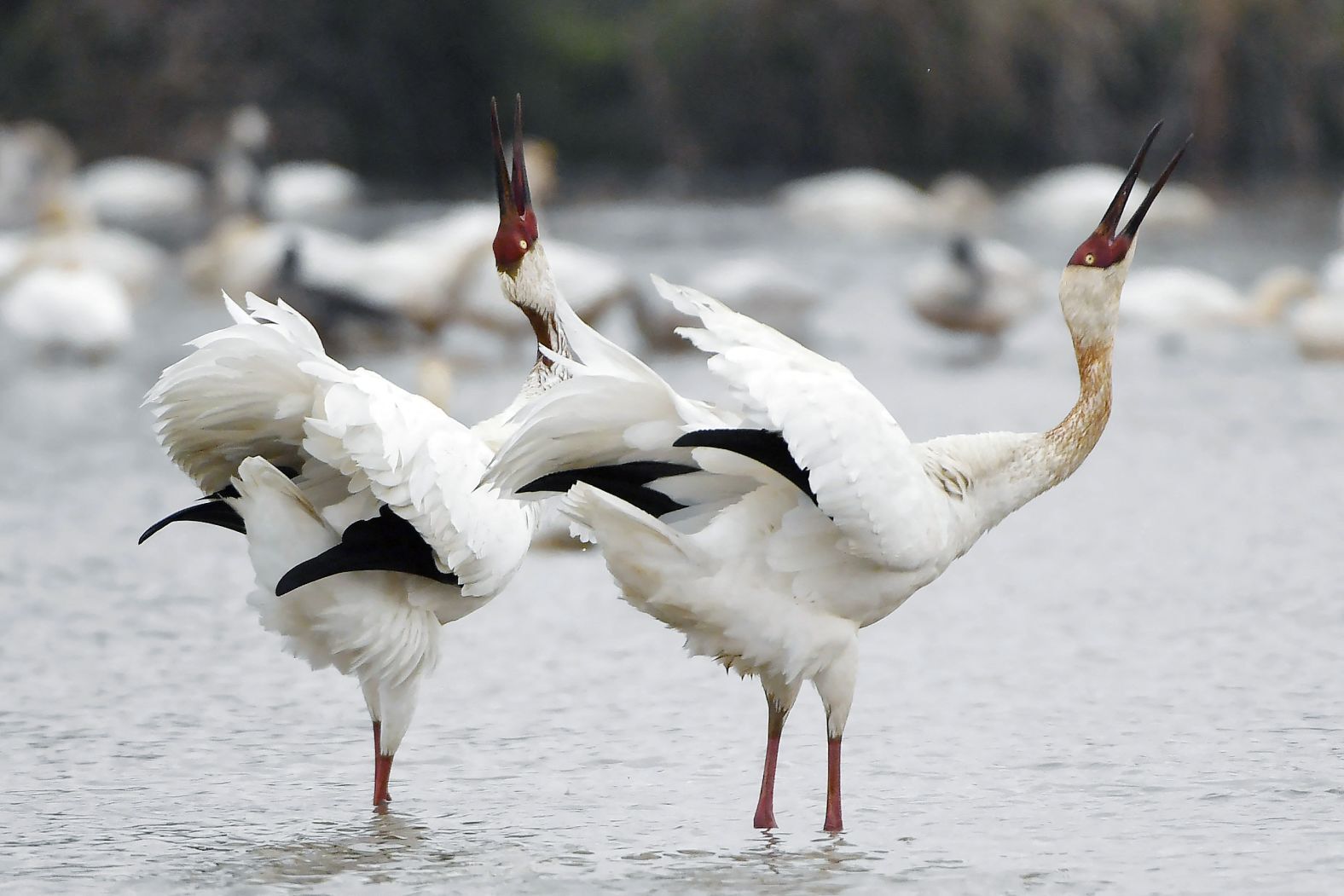
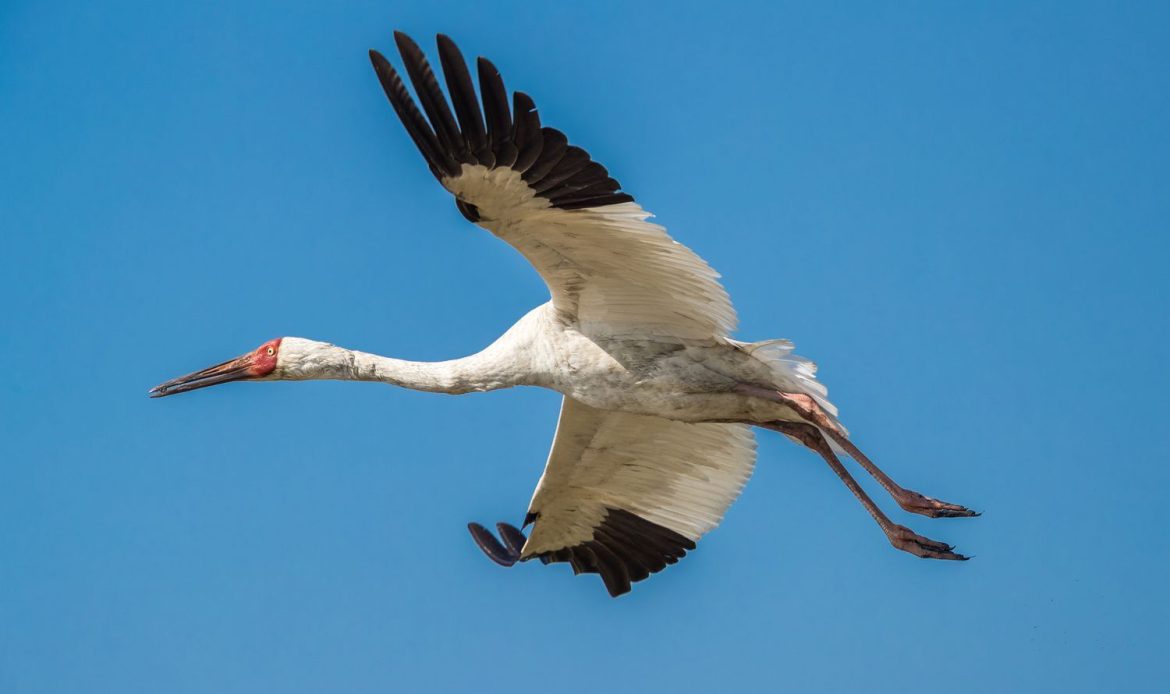
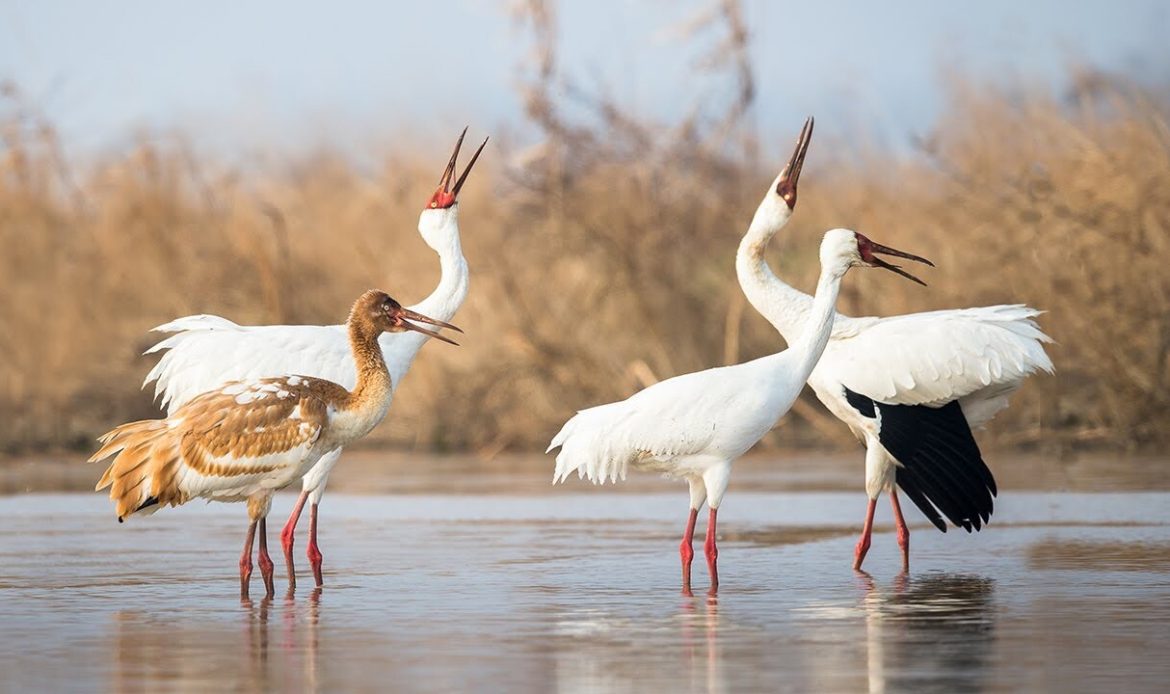
The Siberian Crane was always a representation of freedom and survival, with its long white feathers, bright red face and unparalleled flight over the vast skies of Siberia, China and India. Now all of the above are being threatened by a growing number of shrinking wetlands, inconsistencies in weather patterns and increasingly deteriorating migration routes.
The following article will examine more closely why the Siberian Crane is disappearing, the implications of the decline of the Siberian Crane in terms of environmental issues, and how each of us can help restore natural habitats so these birds have a future.
Table of Contents
What makes the Siberian Crane so special?
Every year, the Siberian Crane flies several thousand kilometres throughout many countries and climates. No other bird migrates as far as or is as reliant upon wetlands as the Siberian Cranes are. With its long legs, stunningly white plumage, and calm demeanour, it is one of the most recognizable cranes on the planet. Unfortunately, one of the reasons for the Siberian’s vulnerability is that much of their habitat consists of shallow wetland areas. Wetland habitat is being lost, changed, or shrunk due to human activity and climate change. This puts pressure on all the breeding, stopover, and wintering sites of the Siberian Crane, which creates a situation where if any single site is not available for a crane to stop, the crane cannot complete its migration. Wildlife conservationists use the Siberian Crane as a global indicator species for this very reason; if anything happens to the Siberian Crane, it indicates that many of the wetland ecosystems globally are in jeopardy.
Why is the Siberian Crane disappearing?
1. Wetlands are shrinking at a dangerous speed
Wetlands provide Siberian Cranes with food, shelter and rest during migration. Currently, a large portion of their wetlands has been destroyed through the actions of man (eg, drainage of wetlands, dam construction, water pollution and large-scale removal of water). The loss of their wetland ecosystems means that there will be a threat to the survival of Siberian Cranes unless there are significant government regulations that will allow for the effective to restore natural habitats.
2. Climate change is disrupting migration
The climate is changing rapidly. Unexpected droughts, late monsoons and unpredictable freeze-thaw cycles in Siberia all negatively affect the breeding success of cranes. Warming temperatures change the availability of insects and plants, which in turn requires cranes to travel greater distances to find food. This link between climate change and wildlife is most visible by observing migratory species such as the Siberian Crane. If current climate patterns continue, the ancient flyways used by these birds will disappear.
3. The population is extremely small
The Siberian crane’s population is extremely low, which does not give them enough time to recuperate after anything happens to them. The loss of any crane can be detrimental and greatly affect future generations because of the low success rate of breeding. Events such as habitat disturbance at the nest during the nesting season are detrimental to only one aspect of recovery. For these reasons, they still have a classification of endangered species and will continue to need long-term conservation programs.
4. Hunting and trapping
Although hunting is illegal, cranes are sometimes trapped in snares or caught accidentally. Even one or two deaths in a year create major setbacks for a species with such fragile numbers. To protect wildlife, communities along the migration route must be part of wildlife conservation efforts.
What are conservationists doing right now?
· Wetland Restoration
The restoration of critical wetlands was a priority for many conservation teams around the world, such as Russia, China, and India. In these countries, vegetation was replanted, the flow of water was improved, and past damage was reversed. As a result of these actions directly help restore natural habitats, allowing cranes a safe place to land and feed.
· International Flyway Protection
Siberian cranes migrate across many international boundaries, and it is only through cooperative efforts between nations that sites of importance can be identified and protected. This collaboration is a significant milestone in the development of wildlife conservation and provides the crane species with several safe resting places during its migration each year.
· Climate Adaptive Planning
Scientists monitor changes in the weather patterns to help them project where in the future will be suitable wetlands for Siberian cranes. These findings will allow for the early implementation of protection measures. The connection between the impacts of climate change and wildlife is integral to this planning strategy.
· Community Involvement
Educating local communities about the role of cranes in the greater ecosystem is essential. The development of alternative livelihoods, as well as training programs, is a crucial component of the establishment of local community partners in efforts to protect wildlife from the risk of hunting.
Why does saving the Siberian Crane matter?
As the Siberian crane fights to survive, it reveals a larger challenge to the world today – globally, wetlands are disappearing. Wetlands are vital ecosystems that sequester carbon, provide food for people through agriculture, reduce flooding and house many different species. The disappearance of wetlands will create a domino effect that will negatively impact all living things. By protecting the Siberian crane, we help to protect the many other species that depend on wetland habitats. Therefore, wildlife conservation goes beyond an individual species, but rather provides real protection to the entire ecosystem.
How can you help protect wildlife and support crane recovery?
· Support trusted conservation programs
Many groups working on crane protection rely on donations to restore wetlands, conduct research and build community projects. Even small contributions support direct action.
· Share awareness
Talking about the Siberian Crane’s difficulties helps keep pressure on governments to strengthen conservation laws.
· Reduce your climate footprint
Because of the close link between climate change and wildlife, climate-friendly choices like reducing waste, using energy wisely or choosing sustainable products can make a real difference.
· Stand for wetland protection
Wetlands are disappearing worldwide. Supporting policies and campaigns that aim to restore natural habitats ensures long-term safety for species like the Siberian Crane.
· Encourage responsible tourism
If you visit bird sanctuaries, choose operators who follow ethical wildlife practices. Tourism can help protect wildlife when done responsibly.
Last Words of Encouragement
The story of the Siberian Crane is a testament to the fact that nature is slow to move, yet the destruction of the environment due to human activities happens rapidly. It has taken the Siberian Crane thousands of kilometres to migrate from one location to another; its future is now in the hands of people who live far away from where the bird remains today. For hundreds of years, the Siberian Crane has survived extreme cold winter weather, travelled long distances, and altered habitats. Today’s pressure on this bird is due to human actions, and only human actions will save it.
Supporting wildlife conservation efforts by raising awareness and making climate-conscious decisions will support the future sustainable development of the Siberian Crane. Every wetland that has been restored, where various species of wetland are now found, along with migration stopovers, will allow the Siberian Crane to migrate more freely. Every person who tells the story of the Siberian Crane will aid in protecting not just the Siberian Crane but also save the ideals of hope, balance, and a healthy planet.
FAQs
1. Why is the Siberian Crane considered an endangered species?
The Siberian Crane has been designated as an endangered species because of its increasingly dwindling population due to habitat destruction, decreasing habitat area, and impacts of climate change and wildlife disruption. These combined threats require immediate effort if we hope to sustain a viable species in the long term through wildlife conservation programs.
2. How does climate change affect the Siberian Crane?
Climate Change has resulted in significant changes in the environment, which directly affect the habitats and habitat-related availability of Siberian Cranes (and all other species) along their migration routes, breeding conditions, and food availability; therefore, Climate Change and wildlife challenges are among the most significant threats facing the Siberian Crane today.
3. How can people help protect wildlife like the Siberian Crane?
There are many ways that people can support to protect wildlife, including supporting conservation efforts through donations and active participation. Some specific examples would be limiting your plastic use, limiting your carbon footprint, raising awareness, and advocating for Wetland Protection to support the recovery of the Global Crane Species.
4. Why is habitat restoration important for the Siberian Crane?
Wetlands provide critical feeding, resting, and breeding habitat for the Siberian Crane. Restoring natural habitats through wildlife conservation efforts improves the chances of Siberian Cranes surviving along their Migration Routes.
5. What role does wildlife conservation play in saving the Siberian Crane?
Wildlife Conservation plays a critical role in the survival of the Siberian Crane. Without restoring natural habitats, actions such as Habitat Protection, Global Cooperation, and Long-Term Monitoring programs to protect and foster the endangered species, they will face an even more rapid decline in their numbers.