
Save Marine Life by Understanding The Whale Shark’s Fight Against Climate-hit Seas
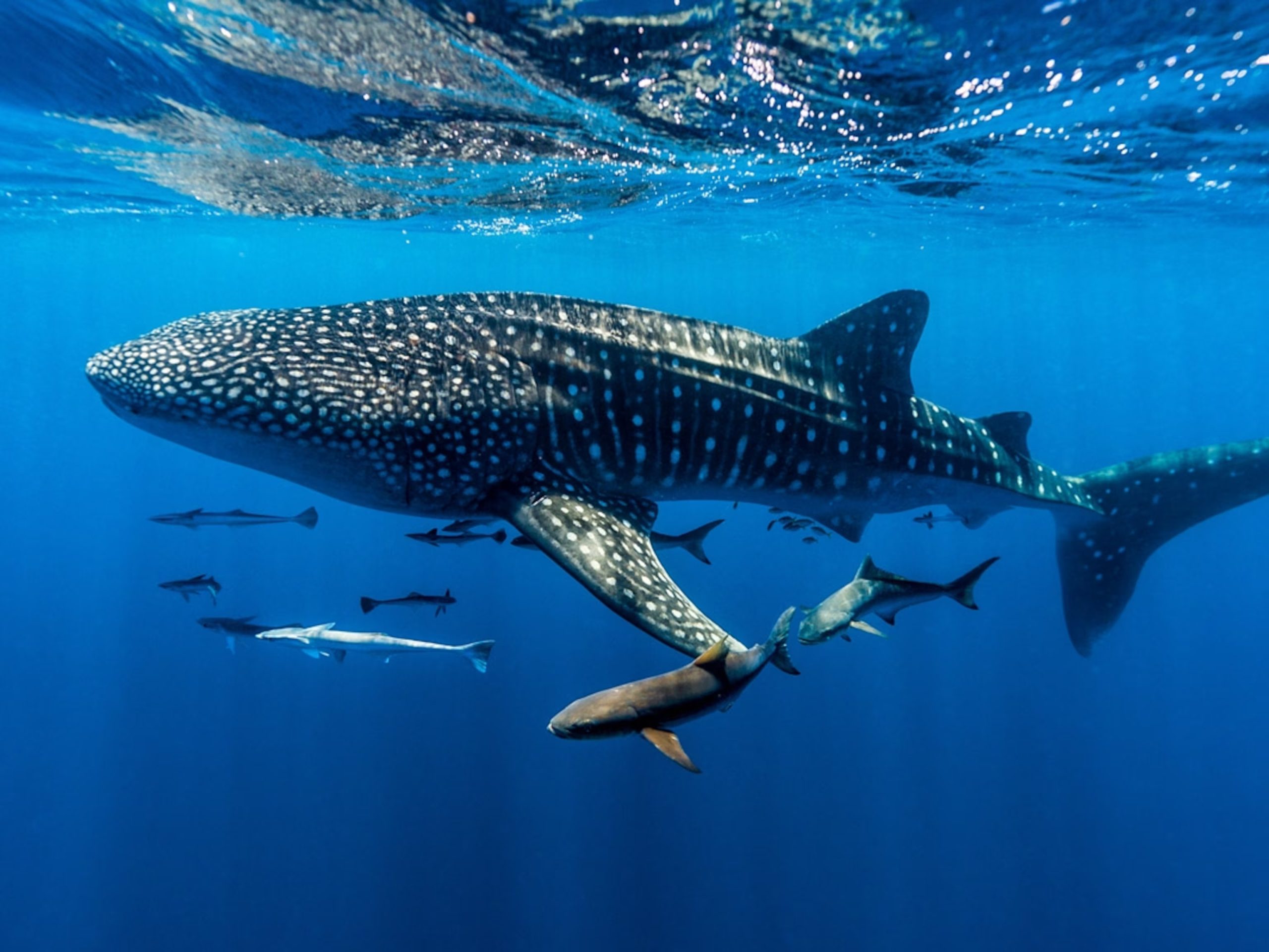
The urgent need to take action to save marine life is made clear through the plight of the whale shark, the largest of all fish. Whale sharks, also known as gentle giants, are one of the slowest swimming filter feeders, moving slowly through the warm ocean waters feeding on plankton; yet, despite their large size and slow-moving nature, their numbers continue to decline yearly. Because of their status as an endangered species, whale sharks are now facing several threats at once: warming ocean temperatures, loss of habitat, animal collisions with ships and excessive commercial tourism. What this means for whale sharks is that the speed at which we respond to protect wildlife, restore the health of our oceans, and reset our relationship with the oceans will determine the survival of this species.Whale sharks are ‘heroes’ in many ways; they are calm and often thought of as ‘gentle’ predators; they play an equally important part in wildlife conservation as they are large, slow-moving filter feeders, and they provide balance to marine ecosystems. Once the large species begins to decline, the overall state of the oceans suggests that more is wrong than just the loss of that one species.
The following section provides more insight into the characteristics of the whale shark, what is causing it to decline in numbers, and steps each of us can help save wildlife before it disappears forever.
Table of Contents
What makes the whale shark so remarkable?
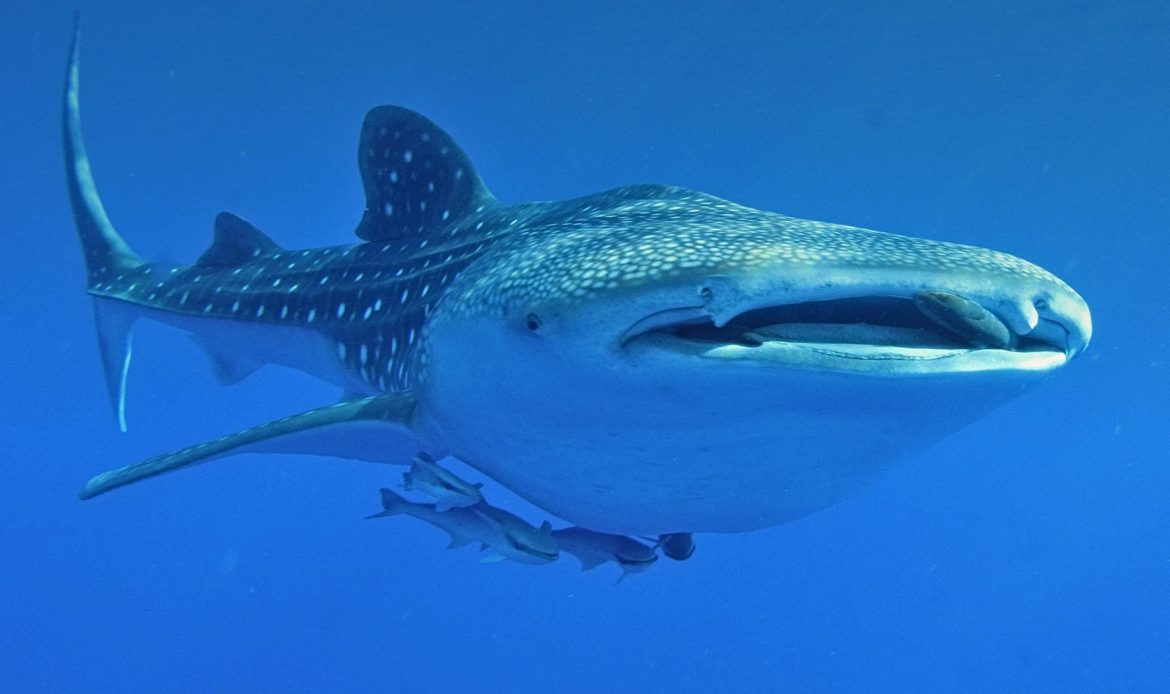
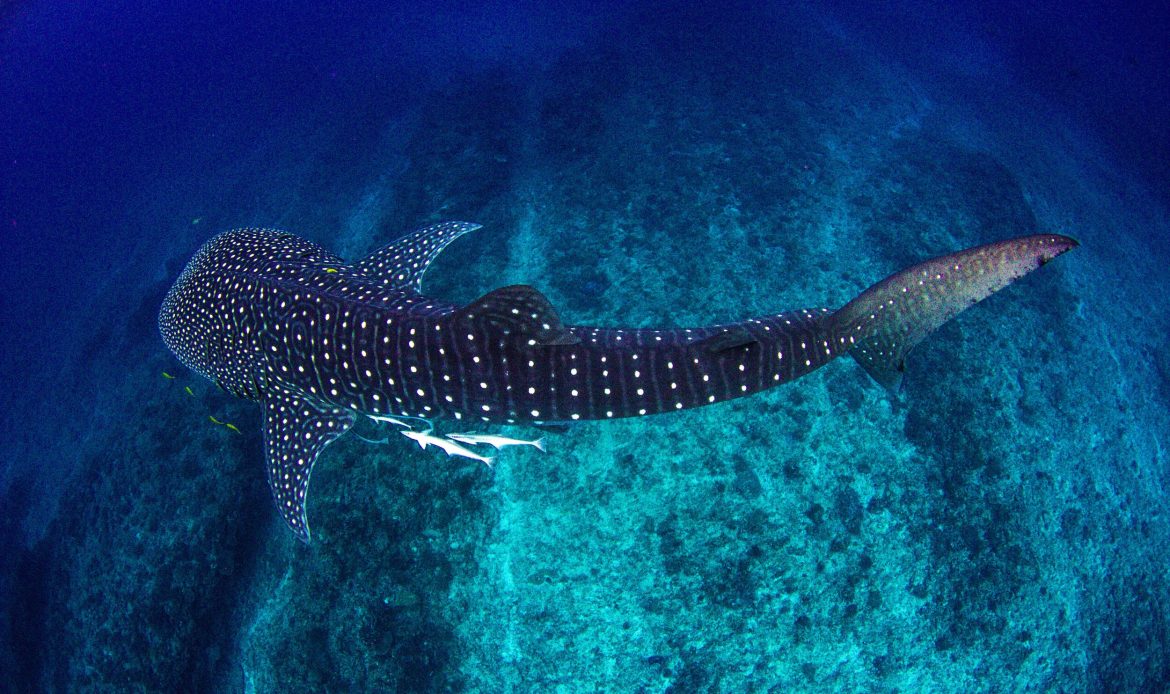
Although whale sharks are quite large (over 40 feet long!), no danger to human’s swim with them. Whale sharks feed by swimming through the ocean with their mouths open and filter out microscopic plankton and fish eggs. Each whale shark has a different spot pattern on its back that is unique, like fingerprints. Scientists are able to recognize each individual shark and follow them for many years. Because of their size, whale sharks can be extremely vulnerable. Whale sharks primarily live close to the ocean’s surface. Warming waters, boats, and pollution threaten whale sharks as they spend a good deal of their lives close to the ocean’s surface. The rate of reproduction is slow, making recovery from population declines very difficult. Because of this, whale sharks are classified as an endangered species by the World Conservation Union (IUCN).
Why is the whale shark disappearing?
1. Warming oceans are changing their habitat
The habitat of plankton is changing because of climate change. At higher temperatures, plankton are moving and food sources are growing smaller and fewer in number; therefore, whale sharks now need to travel longer distances to reach their food and can no longer find food in typical locations on their migration routes. The result of this is that the previously predictable migrations of these animals have ceased to be accurate, and this disruption cascades through the entire marine environment.
For the long-term survival of marine mammals and to save marine life, we need to find solutions for ocean heating, as well as provide protection for feeding, breeding, and migratory habitats of species like this whale shark species.
2. Dangerous ship traffic
The majority of whale sharks are found swimming close to the surface; large ships regularly hit whale sharks in areas of heavy boating traffic, resulting in fatal injuries to the fish. Most of the reported whale sharks impacted by ships are far away from the coast, making it difficult for marine agencies to find out about their deaths. Stronger regulations regarding shipping traffic are needed if we want to protect wildlife in marine areas with a lot of human activity.
3. Illegal fishing and bycatch
Despite the reduction of targeted whaling, the perception of whale sharks as bycatch from tuna nets or other commercial fishing equipment continues to cause the injury and death of countless whale sharks due to entrapment.
In order to support wildlife conservation efforts, the long-term viability of all migratory marine species through effective enforcement and monitoring, authorities must monitor all aspects of the migratory route that is being used by whale sharks.
4. Irresponsible tourism
Communities can benefit from whale tourism as a source of income, but if left unregulated, whale tourism also causes stress, injury and behavioural modifications. Disruption of feeding habits results from crowding, touching and chasing. A sustainable, socially and economically viable whale tourism will help save wildlife and marine resources while contributing to local economies.
What are conservationists doing right now?
· Marine Protected Areas
Governments throughout the world have created designated protected areas around the world where whales can be tracked and regulated for fishing. These designated areas are essential to helping the population recover from overfishing.
· Satellite Tracking
Through satellite tagging, researchers can find out where whales migrate and where they feed, which enables researchers to create comprehensive policies that will help save marine life that crosses international boundaries.
· Community Engagement
Coastal communities are engaged in many facets of whale protection efforts. By supporting sustainable tourism, offering fishing alternatives and engaging in education, coastal communities can build a foundation for ongoing wildlife conservation of marine life.
· International Legislation
Many countries have enacted legislation that governs the sale of whale shark products, regulates the destruction of whale feeding grounds and increases monitoring of shipping activities that threaten whale populations.
Why does saving the whale shark matter for everyone?
As filter feeders, the whale shark helps to control the distribution of plankton in the ocean. Since plankton absorbs much of the carbon and generates most of the oxygen produced by all living organisms on this planet, a decrease in the number of whale sharks would disrupt many aspects of the food web and the overall balance of a healthy ocean.
An increase in the population of healthy whale sharks is an indicator of healthy oceans. Healthy Oceans are essential for maintaining climate stability, food security, and protecting coastlines from destruction. When we save marine life, we also protect our future.
How can you help save wildlife and protect whale sharks?
· Contribute to Organizations Working to Save Whale Sharks
Your donation will go towards research, rescue operations, and policy reform that benefit the survival of these endangered species.
· Reduce Your Plastic Waste
Plastic pollution is impacting all levels of our oceans. Reducing the use of single-use plastics is a small way to protect wildlife.
· Spread the Word About the Whale Shark Crisis
By raising awareness about this crisis, people’s support will be mobilized toward conservation efforts, which will, therefore, encourage global action.
· Choose Sustainable Seafood
By making responsible choices when consuming seafood, you will minimize bycatch and indirectly protect the whale shark and other marine life.
· Be a Responsible Traveler
If you are swimming with whale sharks, be sure to choose operators who adhere to strict guidelines. Supporting sustainable tourism is one of the most effective ways to help save wildlife, along with the whale shark and other animals, from extinction.
Last Words of Encouragement
Whale sharks are ancient, huge fish that have been alive for eons, but because of human activity, they now face increased dangerous threats. The whale shark is hoping we can rethink treating our oceans better and take measures to save marine life before further harm occurs. Even the smallest steps, such as raising awareness, providing support for wildlife conservation agencies and reducing usage of plastics will help improve things, as all of those actions lead to an increase in protecting marine species, leading to overall improved conditions in the ocean for everyone, and every single positive decision we make brings us closer to ensuring the future of these magnificent creatures.
FAQs
1. Why are whale sharks classified as an endangered species?
Whale sharks are an endangered species. There are many reasons for this, but quite simply, declining numbers due to climate change, bycatch and ship strikes (in addition to habitat destruction) have made whale shark protection more critical than ever. This is a crucial time than ever to save marine life and strengthen global wildlife conservation efforts.
2. How does protecting whale sharks help save marine life overall?
Whale sharks play a very significant role in maintaining the balance of the ocean. When we help save wildlife, we are doing so for all marine life within their ecosystem. By protecting these species, we will see that the health of the oceans and the world depends on the survival of endangered species like whale sharks.
3. What can the public do to protect wildlife in the oceans?
The general public can protect wildlife and ocean ecosystems by reducing plastic waste, purchasing sustainable seafood, donating to and supporting wildlife conservation organisations and raising awareness by sharing information on endangered species, such as whale sharks.
4. How does climate change affect whale sharks?
Climate Change has affected the availability of plankton in the ocean, which in turn disrupts the migratory patterns of Whale Sharks, as well as placing extra stress upon this species. These disruptions make the work to save Marine Life increasingly difficult, highlighting the importance of Global Action on Climate Change for protecting Marine Life.
5. Why is wildlife conservation important for marine species?
Wildlife conservation programs are designed to conserve the breeding and feeding grounds of other marine species, regulate the way that marine tourism is conducted and/or take care of and manage the bycatch and long-term recovery of endangered species. Wildlife conservation programs are vital in the fight to save marine life populations from extinction.