The Last Roar: Animal Extinction Awareness and the Generation Pushing Wildlife Toward Silence
There is a moment in the jungle—so silent, so unnerving—that even the air seems to stop breathing. It’s the kind of silence that doesn’t just fall…It warns and today, that silence is spreading faster than wildfires.
Every forest, every grassland, every mountain range has a similar story playing out: the world’s most iconic predators—the seven great cats—are losing their voices. Their roars, rattles, screams, and calls have echoed through Earth for millions of years. But now, humanity stands at a crossroads, and the question hangs heavier than ever:
Are we the generation that silences the wild forever?
This is where animal extinction awareness is no longer a trending topic—it’s an emergency siren. A final warning. A last roar.
Table of Contents
THE ROAR THAT ONCE SHOOK THE EARTH… NOW FADES
Once, a lion’s roar could travel up to 5 miles. It was a declaration of power, territory, life itself. But today, the African savannas echo with a different sound—bulldozers, gunshots, and the creeping silence left behind after each poached body falls.
We scroll. We click. We like.
But the lions?
They’re disappearing.
And this is why animal extinction awareness must hit harder than ever. Because without it, the future becomes quiet—too quiet.
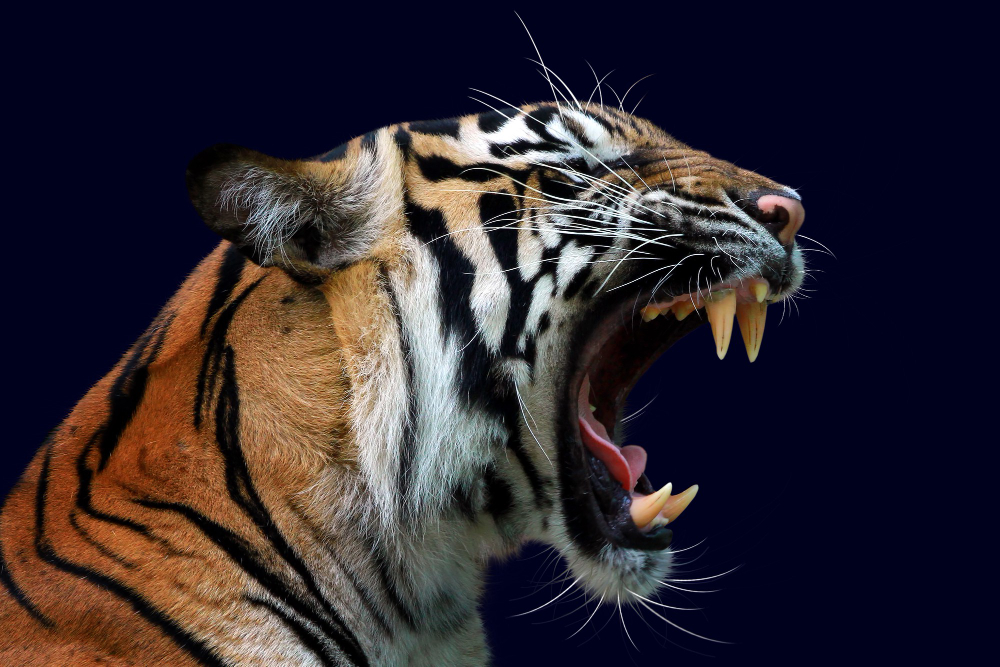
THE TIGER’S RUMBLE: A GHOST IN ITS OWN HOME
Tigers once roamed across 13 countries. Now? They barely cling to life in a handful of them.
When a tiger growls, it’s not just a warning—it’s a heartbeat of the wild. A reminder that nature still has fangs, still has fire. But habitat loss, illegal wildlife trade, and human expansion are turning the tiger’s rumble into a whisper.
This is why animal extinction awareness isn’t just a campaign—it’s survival and it’s tied directly to endangered species, wildlife conservation, and every effort that attempts to help save wildlife before it’s too late.
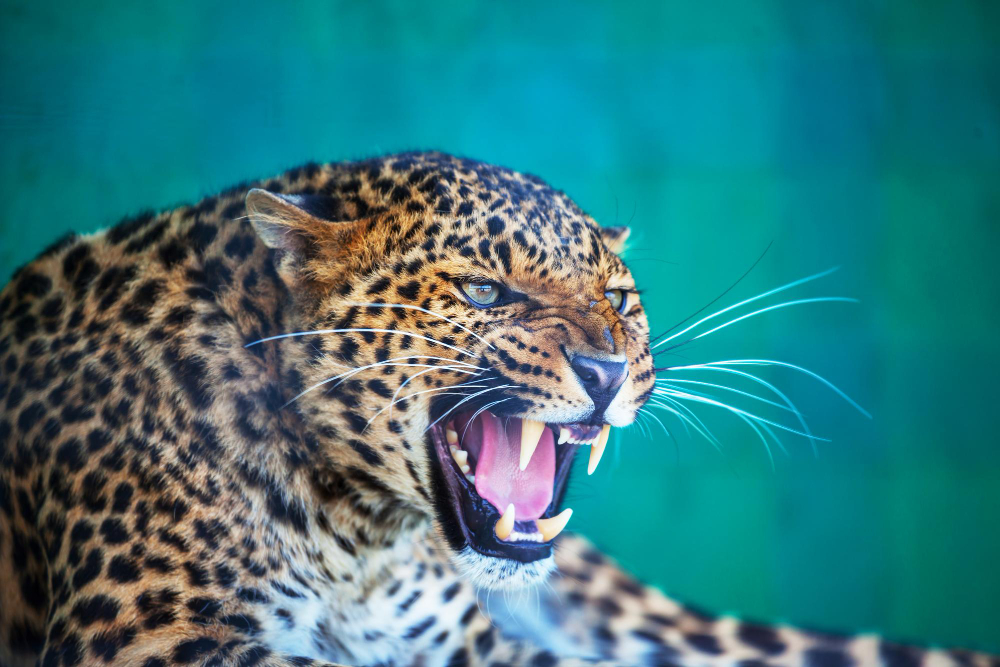
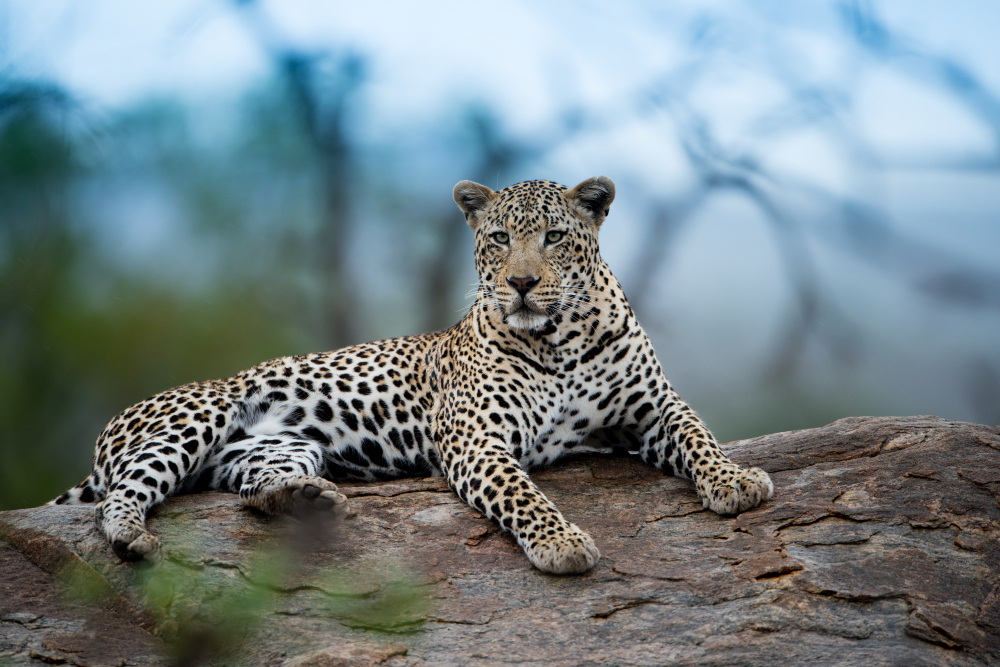
THE LEOPARD’S RASPY ROAR: A SOUND HUNTING ITS OWN FUTURE
The leopard is the ninja of the jungle—silent, graceful, deadly. Yet its vocal call, the harsh rasping saw-like roar, tells an entirely different story. It’s the cry of an animal being hunted faster than it can hide.
As human settlements invade forests, leopards pay the price. Conflict rises. Retaliation kills. And soon, without massive animal extinction awareness, their calls may never be heard again.
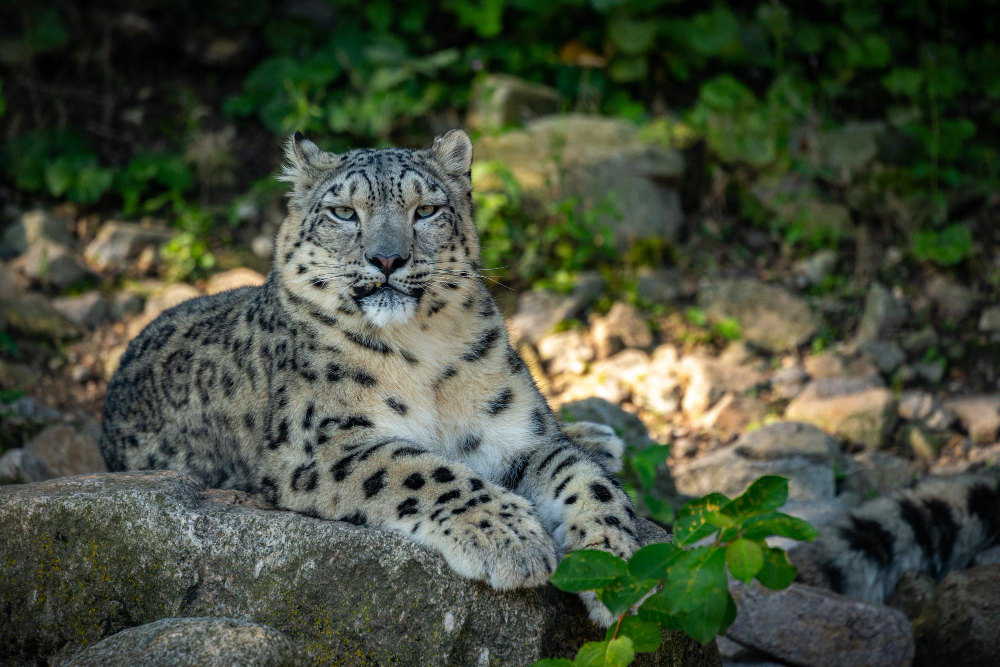
THE SNOW LEOPARD: A GHOSTLY WHISPER IN A MELTING WORLD
Up in the cold Himalayas, where the winds slice like glass, the snow leopard lets out a low, breathtaking growl that blends with the icy air. But even this ghost of the mountains can’t outrun climate change.
Glaciers melt. Prey disappears. Villagers encroach. And the snow leopard becomes a fading myth.
This is the perfect example of why humanity must protect wildlife, not after the crisis, but before the disappearance. Because once the snow leopard is gone, its whisper becomes another casualty of our failure to champion animal extinction awareness.
THE JAGUAR: THE AMAZON’S HEARTBEAT IS SLOWING
The jaguar’s roar isn’t just a roar—it’s a drum of thunder. It vibrates through forests, rivers, the earth itself.
But the Amazon is burning and with it, the jaguar’s world is collapsing.
When the jaguar vanishes, it’s not just an endangered species issue—it’s a chain reaction. Ecosystems crumble. Forests destabilize.
Animal extinction awareness is the only way to remind the world of this truth:
Lose the jaguar, and we lose more than a predator.
We lose balance.
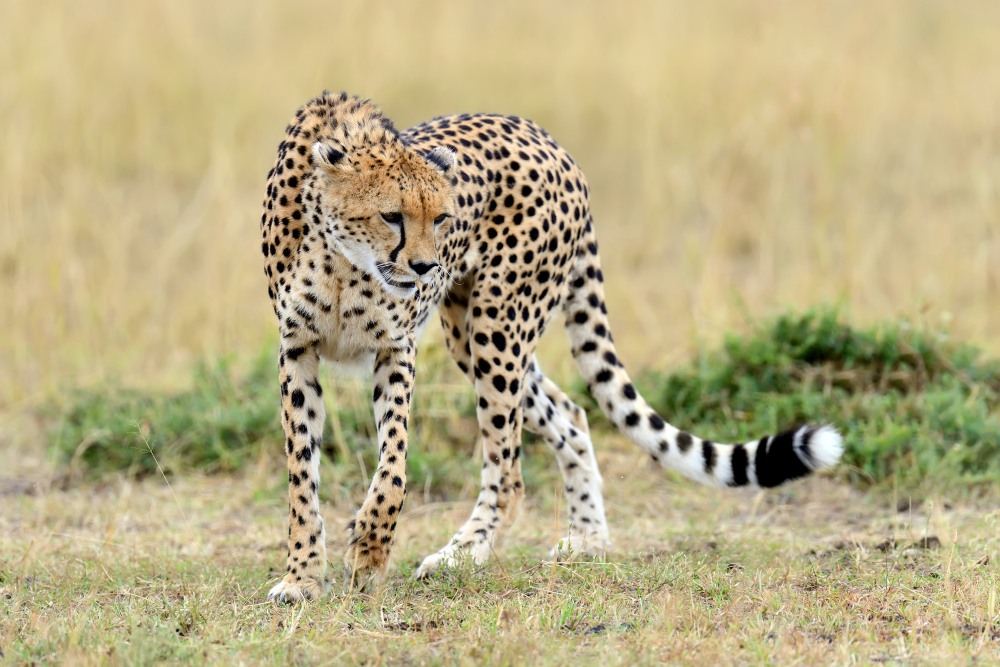
THE CHEETAH: THE FASTEST ANIMAL, RUNNING OUT OF TIME
A cheetah doesn’t roar—it chirps, purrs, and makes strange high-pitched calls that echo through the savanna. But the fastest land animal is now outrunning extinction, racing against threats it cannot win.
Human conflict. Illegal wildlife trade. Trophy hunting.
And worst of all—lack of global animal extinction awareness.
There are fewer than 7,000 cheetahs left.
That’s not a statistic.
It’s a countdown.
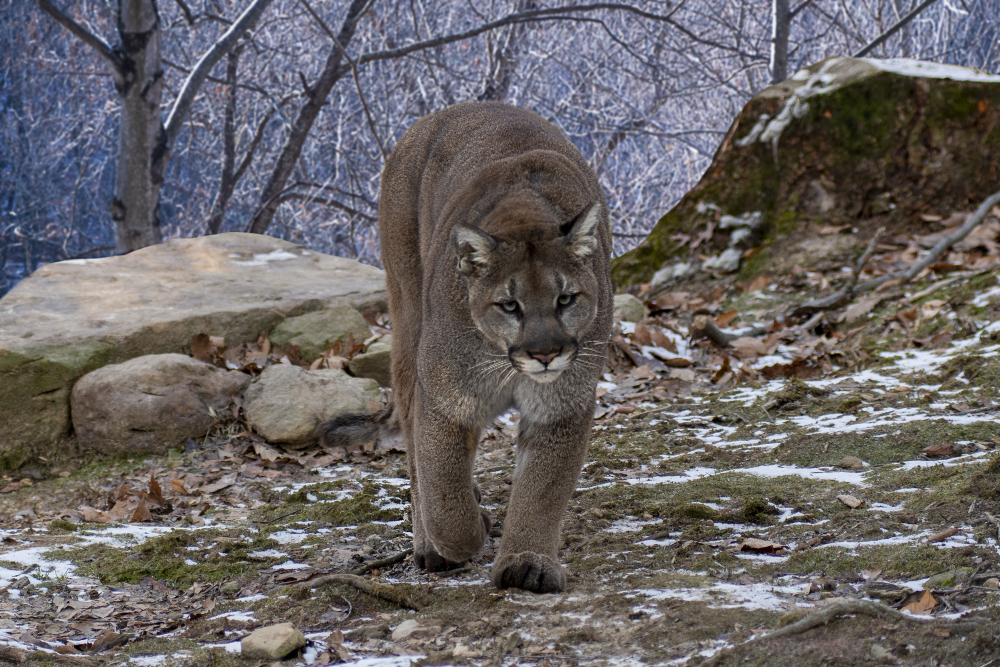
THE COUGAR: THE SILENT SHADOW OF THE AMERICAS
The cougar, also known as the puma or mountain lion, is the phantom predator of the West. It doesn’t roar—it screams. A chilling, almost supernatural cry that can raise goosebumps instantly.
But cougars are losing ground.
Highways cut migration routes.
Human-wildlife conflict spikes.
Hunting pressures rise.
Cougars are a reminder that even “common” predators face threats that demand animal extinction awareness. Because once the cougar falls silent, the mountains will never sound the same.
THE REAL ENEMY: OUR GENERATION’S COMFORT
Let’s be honest.
It’s easy to say,
“I care about wildlife.” But it’s harder to change the systems destroying it.
We build.
We consume.
We expand.
We destroy.
And with each passing day, the sounds of the wild grow thinner.
This is precisely why animal extinction awareness must become a mainstream movement. Because awareness leads to pressure, and pressure leads to action. When people understand what’s at stake, they support:
- Wildlife conservation programs
- Habitat restoration initiatives
- Anti-poaching enforcement
- Protected areas and wildlife corridors
- Policies that help save wildlife
Awareness is not a soft strategy—it’s the ignition.
THE SUSPENSE: WHAT HAPPENS IF WE DO NOTHING?
Picture the world without big cats:
No roars in the savannas.
No growls in the forests.
No shadows stalking the mountain cliffs.
A silent earth. A planet without predators is not just quieter—it’s unstable. Herbivore populations explode. Forests degrade. Disease spreads. Ecosystems collapse like dominoes.
This is not a movie. But it could become our reality if animal extinction awareness continues to be ignored.
The suspense isn’t fictional—it’s biological. We’re living on the edge of a conservation cliff, and our decisions in this decade will determine whether nature falls… or fights back.
WHY THIS FIGHT IS URGENT: THE CLOCK IS LOUDER THAN THE ROAR
Every year:
- Lions decline
- Tigers decline
- Snow leopards decline
- Cheetahs decline
- Leopards decline
- Jaguars decline
- Cougars decline
And yet, most people don’t know these facts.
Most governments don’t prioritize them.
Most industries overlook the consequences.
That’s why animal extinction awareness must rise to the level of a global movement—loud, disruptive, relentless. Because when people know, they act, and when they act, animals live.
THE HOPE: WE CAN STILL CHANGE THE ENDING
Here’s the twist in the story: We are still early enough to save them.
With strong wildlife conservation, global awareness, and a united mission to protect wildlife, nature can rebound in ways that seem miraculous.
But it won’t happen automatically.
It won’t happen later.
It won’t happen without us.
From petitions to donations, from volunteering to spreading the message, from supporting organizations that help save wildlife to demanding accountability from industries—
Every single action matters.
And it starts with animal extinction awareness, the heartbeat of this entire movement.
THE FINAL ROAR: THE CHOICE IS OURS
Every species we lose is a sound erased forever.
A roar gone.
A growl silenced.
A scream forgotten.
A whisper lost in time.
But right now, before the final echoes fade, we still have a choice: Will we become the generation that saves the wild—or the one that silences it?
History will remember us for one of two things: We acted. Or we ignored.
The wild is calling for help.
The roars are fading.
The silence is growing.
And you—yes, you reading this—are part of the only generation with the power to stop it.
This is the era of animal extinction awareness.
This is the moment to fight.
This is the last roar.
FAQ
1. What is animal extinction awareness?
It’s understanding the urgent risk of species disappearing and acting to protect wildlife before it’s too late.
2. Why are big cats considered endangered species?
Habitat loss, poaching, and human-wildlife conflict are shrinking their populations, putting lions, tigers, leopards, and others at risk.
3. How can I help save wildlife?
Support wildlife conservation programs, donate to nonprofits for animals, volunteer, and spread animal extinction awareness.
4. What does wildlife conservation really involve?
It includes protecting habitats, restoring ecosystems, anti-poaching efforts, and enforcing laws that safeguard endangered animals.
5. Can small actions make a difference?
Absolutely. Every donation, volunteer hour, or share of awareness campaigns helps prevent species loss and gives wildlife a fighting chance.