
Wildlife Conservation Lessons from the Disappearance of the Thylacine
Wildlife conservation is not only a scientific consideration but also a moral responsibility to protect biodiversity on Earth. The sad story of the Thylacine or Tasmanian tiger stands as a chilling example of what can happen to a species when humankind is irresponsible concerning its natural legacy. The Thylacine once ranged throughout Tasmania, mainland Australia and New Guinea, and is an endangered species that became extinct in the 20th century as a result of habitat destruction, over-harvesting and neglect. The Thylacine now stands as a powerful emblem of animal extinction awareness and the urgent need for action to protect wildlife before it is too late. If we are eager to help save wildlife, then we all need to take heed of the lessons of the Thylacine.
Table of Contents
The Rise and Fall of the Thylacine
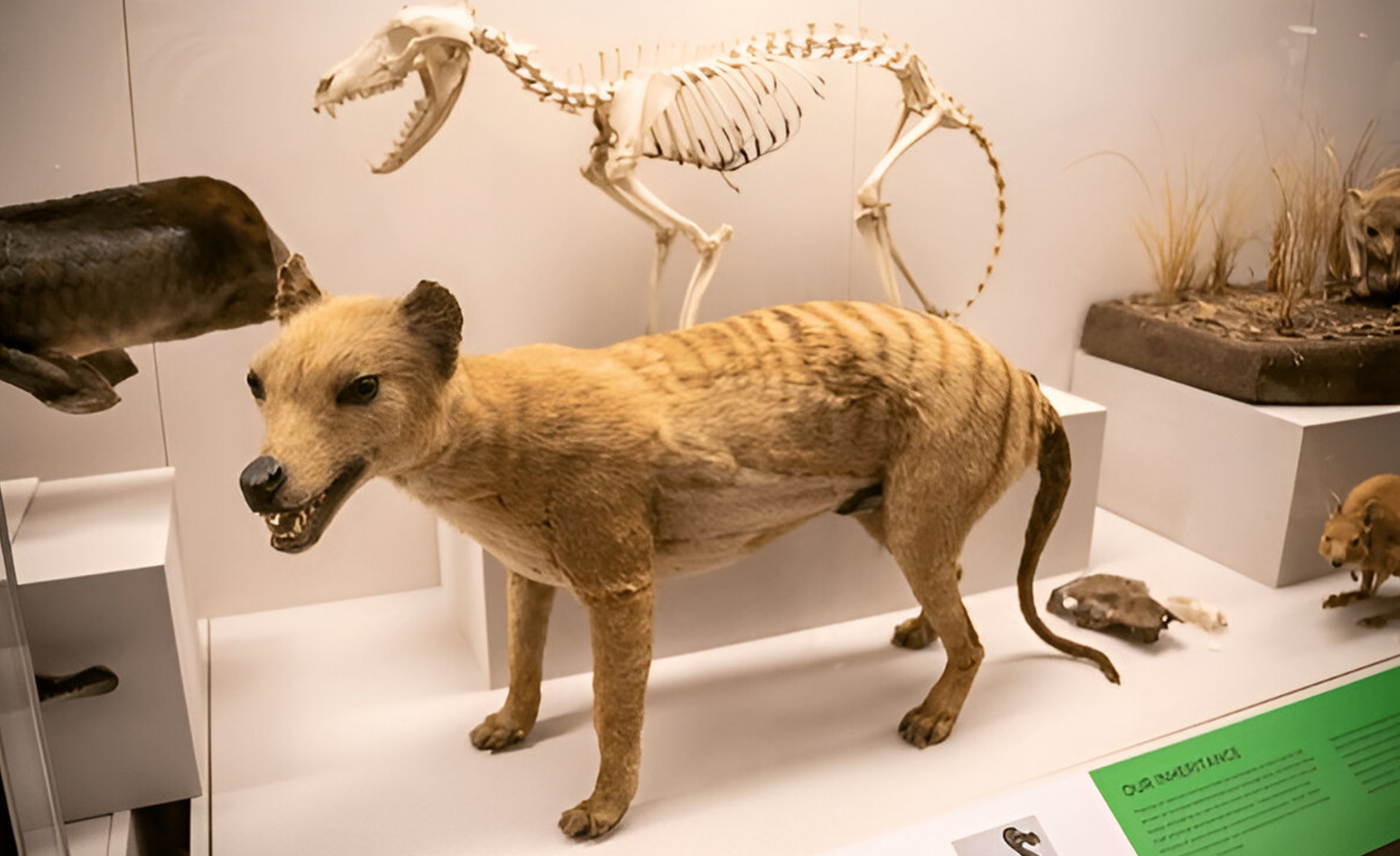
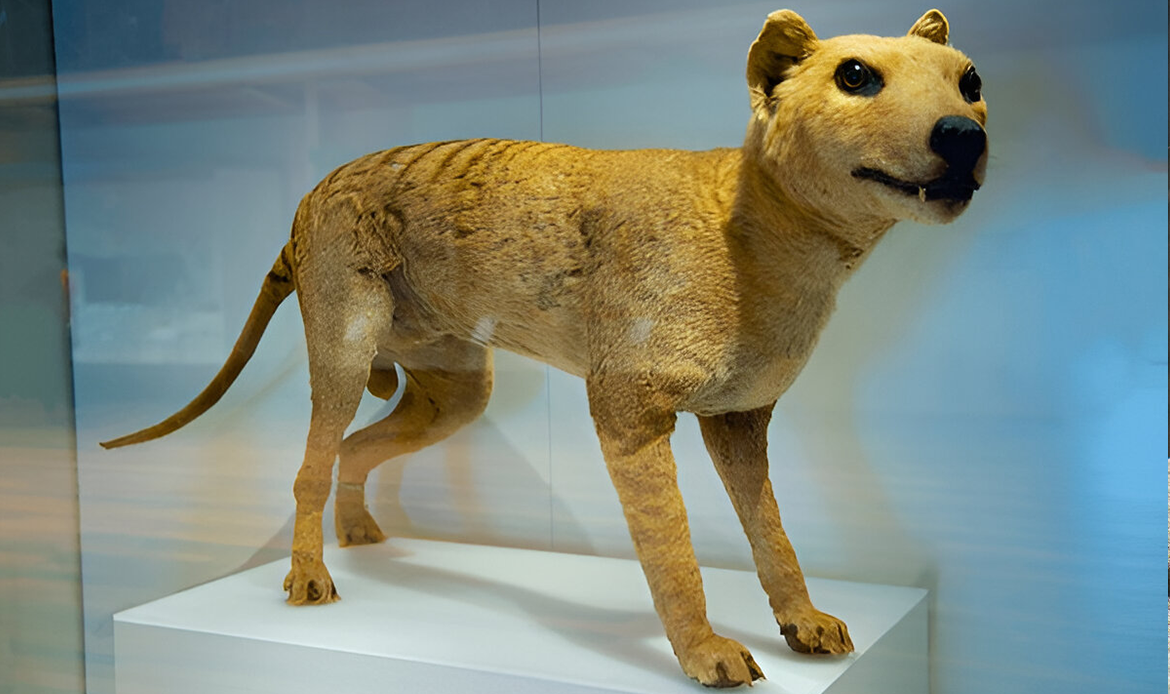
The Thylacine was a distinctive marsupial carnivore, different from any predator that we know of on Earth. Its obscurely striped lower back and a dog-like head earned it the nickname “Tasmanian Tiger,” while its pouch meant it shared common ancestry with kangaroos and wallabies. Unfortunately, it had fallen to the edge by the early 1900s as a result of the views held by farmers who believed the Thylacine was a threat to livestock, so they hunted it down indiscriminately. The government helped farmers by placing bounties upon the beast’s head. This persecution coupled with habitat destruction and other diseases, ensured it simply vanished. The last documentary evidence of the Thylacine was in captivity at Hobart Zoo in 1936, which indicated the Tasmanian tiger’s extinguishment and the end of a chapter of Australia’s natural history.
Wildlife Conservation Mistakes That Led to Extinction
Upon reflection, there are some noteworthy failures in the fate of the Thylacine—failures that are relevant to contemporary wildlife conservation efforts:
- Limited Scientific Knowledge – At the height of the population decrease, conservation biology was still developing and few considered the Thylacine to be an endangered species until it was too late.
- Economic Short-Sightedness – Farmers and governments prioritized livestock safety ahead of biodiversity conservation.
- Allowing for Legal Protection to be too late – By the time the legal protection was put in place in 1936, the species was already extinct.
- Limiting captive breeding efforts – Unlike today, there was no type of concerted or coordinated effort to breed Thylacines in captivity, as a hedge against extinction.
The Importance of the Thylacine Today
The Thylacine remains a worthy cause in global animal extinction awareness efforts. It is not merely an extinct species, but also a representation of the fragility of ecosystems. If we lose a top predator, the prey species can run wild, thus altering the environmental state we once knew. The Thylacine has forever changed wildlife in Tasmania.
More importantly, it asks a question: Are we going to let history repeat itself?
Modern Threats to Wildlife
While we cannot revive the Thylacine, we can avert potential tragedies for species now under threat. The threats today include:
- Deforestation and Habitat Loss – The need for land for agriculture, mining and urbanization has wiped out valuable ecosystems.
- Poaching, Illegal Wildlife Trade – From elephants to pangolins, greed has brought many species to the brink of extinction.
- Climate Change – Rising temperatures, changing rainfall patterns, extreme weather events create uncertainty for migration, breeding, foraging/food.
- Pollution – Plastic waste, pesticides and chemicals leach into soil and sea, killing off terrestrial and marine life.
These topics need immediate wildlife conservation action if we want to help save wildlife from sharing a fate similar to the Thylacine.
Lessons for Wildlife Conservation in the 21st Century
The Thylacine’s story provides great lessons for us today:
- Take action sooner than later – When it comes to conservation, we need to act before we face a decline. In fact, waiting until a species is nearly gone can be fatal.
- Preserve habitat – Without safe areas to survive in, no breeding program will be successful.
- Strengthen protections – Strong laws against poaching and protections for habitat must be enforced by governments.
- Educate the public – Efforts to raise animal extinction awareness campaigns can motivate community action.
- Support Sustainable Development – The economic development and ecological health of local ecosystems must be combined in order to protect wildlife.
Ways You Can Help Prevent the Next Extinction
You don’t need to be a biologist to assist in wildlife conservation. Here are some suggestions as to how you can help:
- Support Conservation Charities – Give to the worthy organizations that truly make a difference to help save wildlife.
- Volunteer to Save Animals – There are many organizations looking for citizen scientists, wildlife volunteers, and sanctuary volunteers.
- Buy Sustainable Products – Do not buy or select any product that is related to deforestation or overfishing.
- Reduce Your Carbon Footprint – Your efforts to save energy and move to an ecological lifestyle are not only to mitigate climate change but also to give wildlife the opportunity to adapt.
- Raise Awareness – Distribute educational content and advocate to protect wildlifefor looked-after care.
Last Words of Encouragement
The Thylacine’s extinction is a blemish on the history of biodiversity, but it does not have to be in vain. It is every effort we make now- every donation, every hour as a volunteer, every policy we push for that will help secure a future where no species share the fate of the Thylacine.
The greatest thing we can do to honour the Tasmanian Tiger is to ensure that other endangered species do not disappear due to human inattention; recognition, care, and action enable us to help save wildlife and sustain the ecosystems of our planet. The choice is ours; will we stand by while history repeats itself, or will we take up the fight to protect wildlife for future generations?
Frequently Asked Questions:
Q1. Why did the Thylacine become extinct?
The Thylacine was driven into extinction due to a mixture of too much hunting, clearance of land, disease and poor legal protection.
Q2. Could the Thylacine have been saved?
Yes, if conservation had come earlier, reserves had been established, and captive breeding had developed, it could have been saved.
Q3: What can we learn from the extinction of the Thylacine?
The biggest lesson to be learned, help save wildlife is to boldly and quickly act for wildlife conservation based on an all-out commitment to save endangered species from extinction.
Q4: What is the benefit of raising awareness of animal extinction?
Raising awareness can prompt politicians to take action, incite interest in conservation funding, and encourage individuals to take environmentally friendly action.
Q5: What are some species currently at risk today?
The Amur leopard, Vaquitas, orangutans, pangolins, and hawksbill turtles, just to name a few, are species we need to act to create awareness to help save wildlife.